
Everybody was a rookie once. Nobody rolls out of the dealership knowing how to read a rock garden or where to hook a recovery strap. The trail is a patient teacher, but it charges tuition, and the bill usually shows up as a bent control arm, a shredded sidewall, or a very long walk out.
The good news: most of the mistakes that end a beginner’s trail day early are the same handful, over and over. Learn them before you meet them and you skip the expensive part. Here are nine that separate the folks who make it to lunch from the folks winching each other out at noon, plus how the experienced crowd actually avoids them.
1. Leaving Highway Pressure in Your Tires
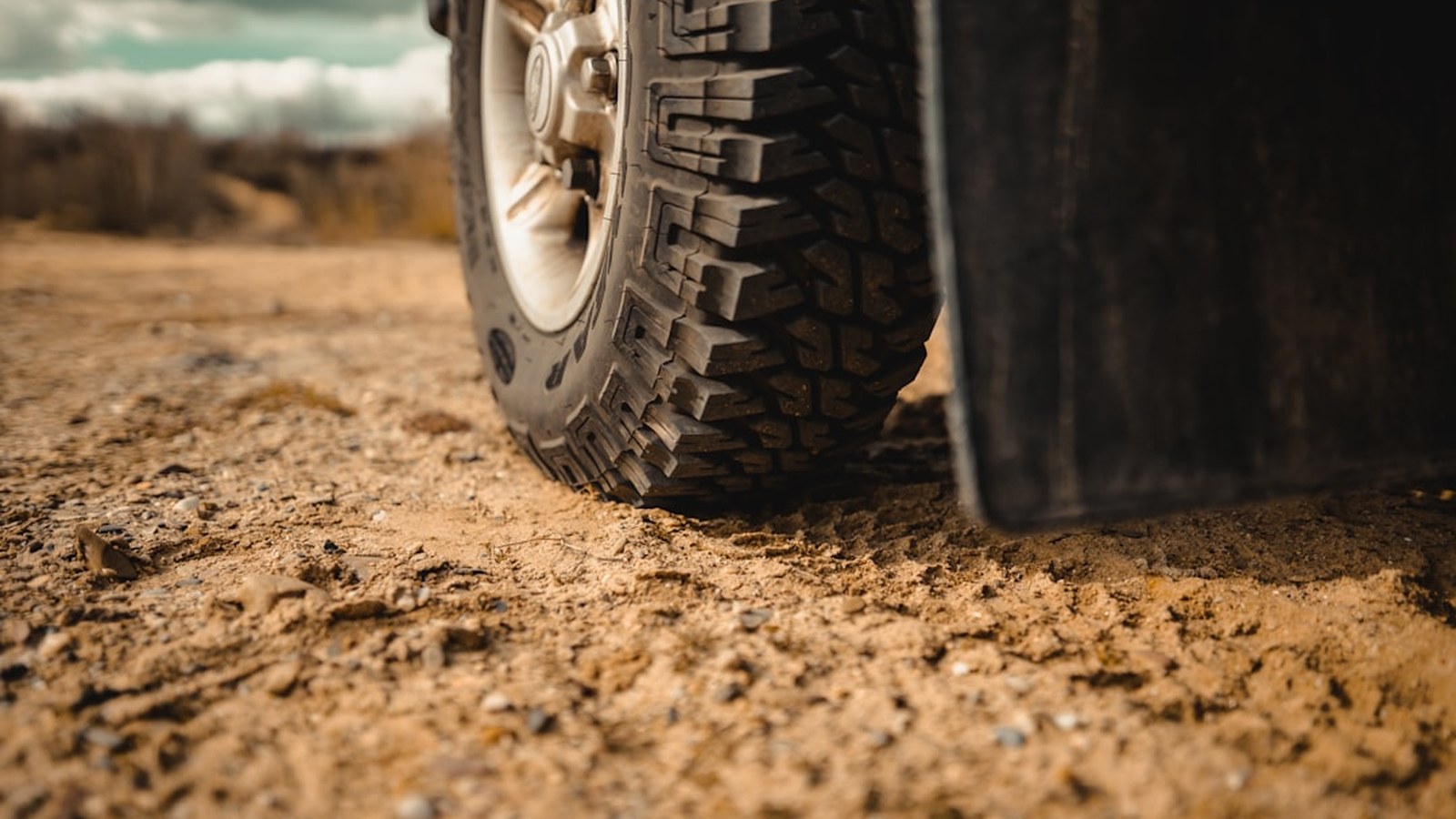 Photo: Cedrik Wesche / Unsplash
This is the single most common rookie miss, and it is the one that costs the least to fix. New wheelers roll onto the dirt at 35 or 40 PSI because that is what the door jamb says, then wonder why the rig skitters over rocks and digs itself into sand.
Airing down lets the tire flatten out and wrap around obstacles instead of bouncing off them. A bigger contact patch means more traction, a softer ride, and far less chance of a puncture. Most trail runs live somewhere in the 15 to 20 PSI range, though it depends on your tire, wheel, and terrain. Deep sand crowds go lower.
The fix is dead simple: carry a decent gauge and a way to air back up, and drop your pressure before the first obstacle, not after you are already stuck. And air back up before you hit pavement. Running highway speeds on soft tires builds heat and ruins them fast.
2. Heading Out With No Recovery Gear
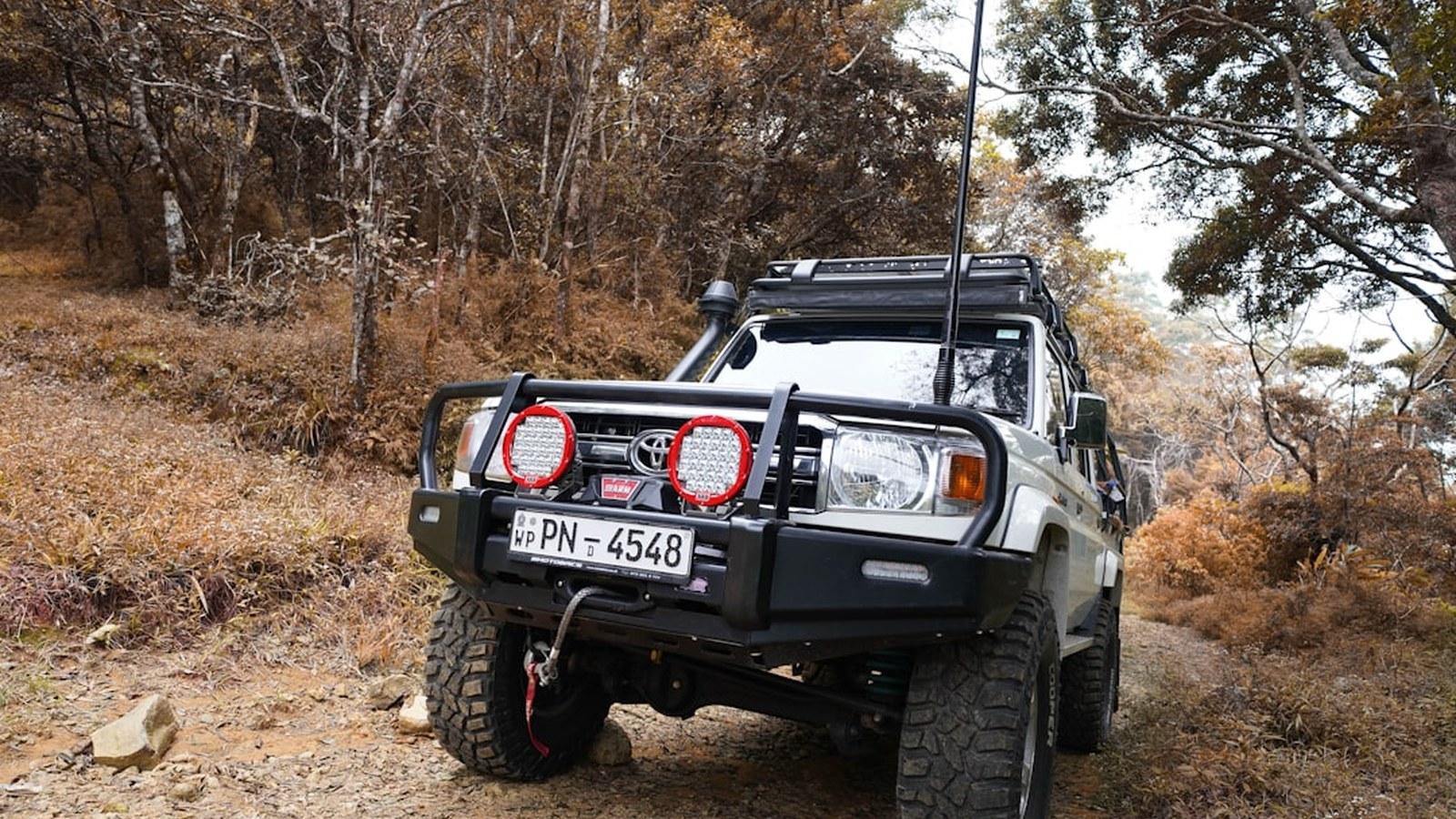 Photo: Vinal Gunasekera / Unsplash
Getting stuck is not an if, it is a when. Every wheeler you respect has been buried to the frame at some point. The difference between a fun story and a dead-of-night rescue call is whether you brought the gear to dig yourself out.
At an absolute minimum: a rated recovery strap or kinetic rope, properly rated shackles, traction boards, a full-size spare, a real jack that works off pavement, and a shovel. A folding shovel has ended more stuck situations than any winch. The factory scissor jack that came with your rig is nearly useless in dirt, so plan around it.
Just as important as owning the gear is knowing how to use it. Recovery goes wrong when people hook a strap to a tow ball or a non-rated point, and thousands of pounds of stored energy turn a bumper into a projectile. Learn your rated recovery points before you need them.
3. Wheeling Solo Your First Time Out
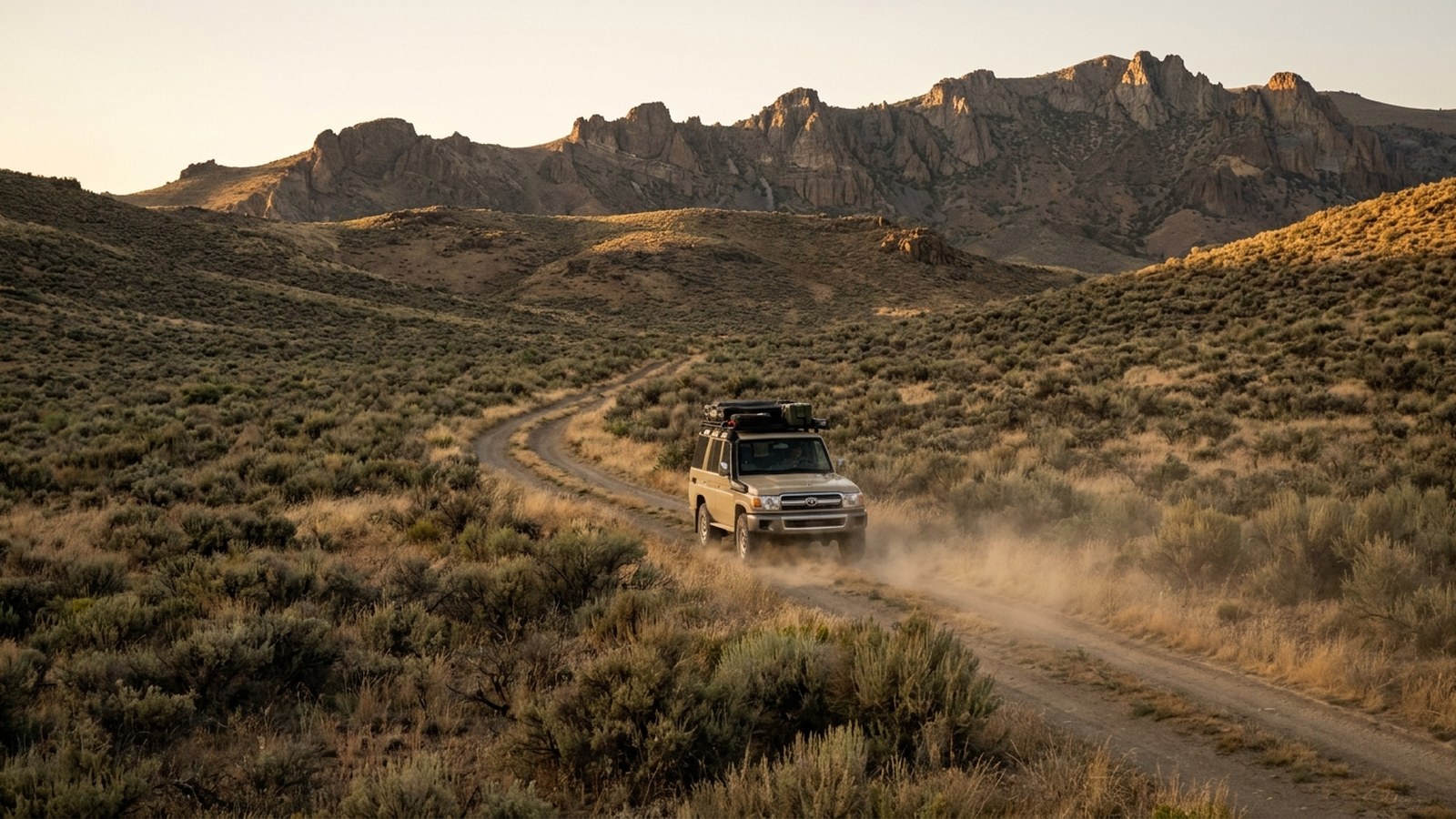 Image: AI-generated
Mistake number three has ended more trail days than any obstacle. Going alone as a beginner is how a simple stuck turns into a survival situation. Two rigs can pull each other out, share tools, and get help. One rig, buried, miles from cell service, is a problem with no easy answer.
Roll with at least one other vehicle while you are learning. A local 4x4 club is the fastest way to find people who know the trails and will happily show a new wheeler the ropes. Even once you have some seat time, the old-timers will tell you to buddy up anyway.
And no matter who you go with, tell someone at home exactly where you are headed and when you expect to be back. That single text has saved a lot of people.
4. Biting Off a Trail Way Above Your Skill
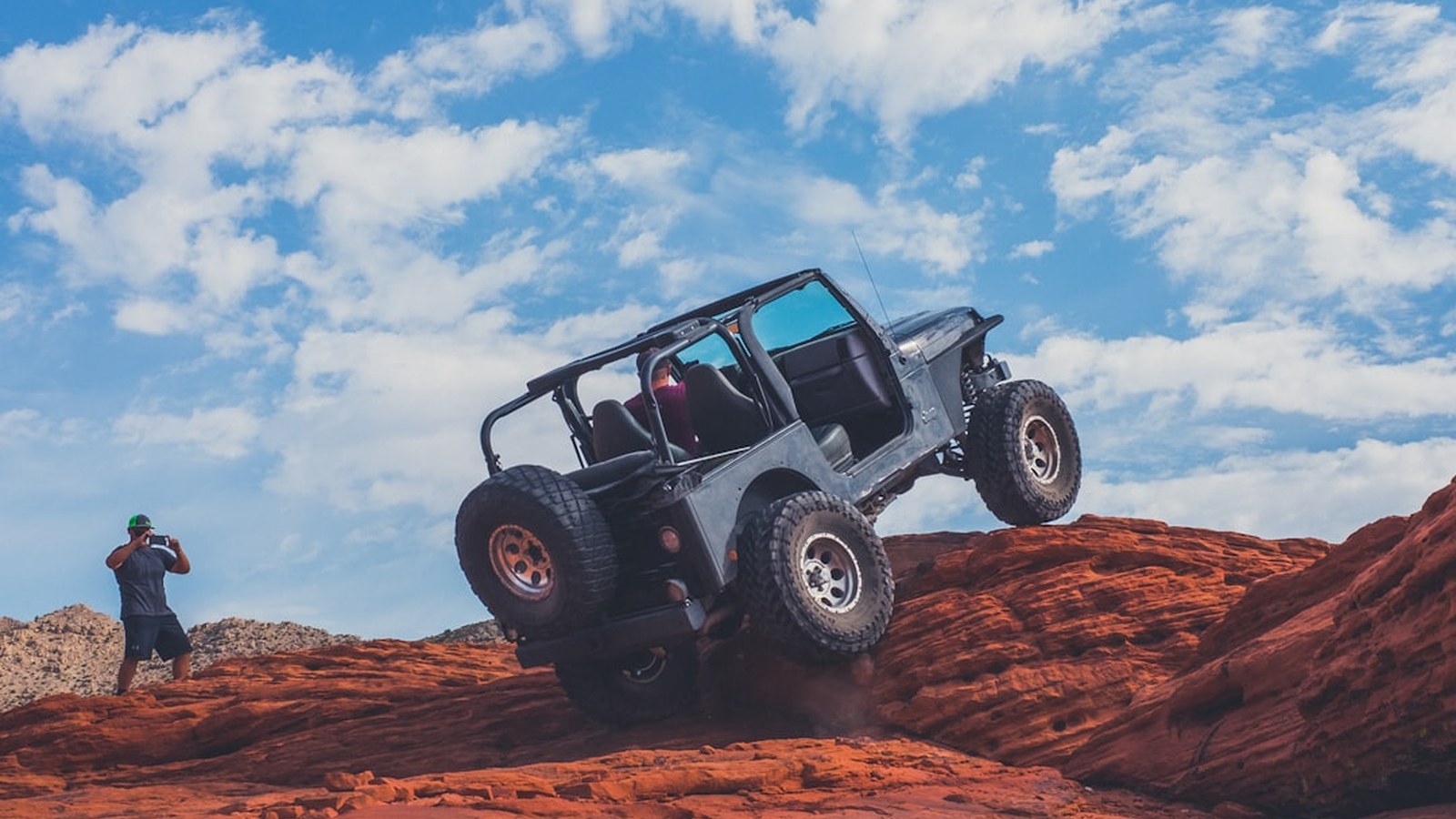 Photo: Quilia / Unsplash
The internet makes hard trails look easy. A GoPro clip of a rig floating up a ledge hides the spotter, the line selection, the years of practice, and the three failed attempts before the good take. New wheelers see it, drive to the trailhead, and immediately discover the difference between watching and doing.
You have to crawl before you walk, and off-road, crawling is often the whole point. Start on green and blue rated trails. Get to know how your rig behaves in sand versus rock versus mud. Learn its lowest point, its widest point, and how it leans before you go betting a body panel on a black-diamond obstacle.
Trail rating systems exist for a reason. Respect them, work up slowly, and you will progress faster than the person who broke their rig on day one.
5. Killing Your Momentum at the Worst Moment
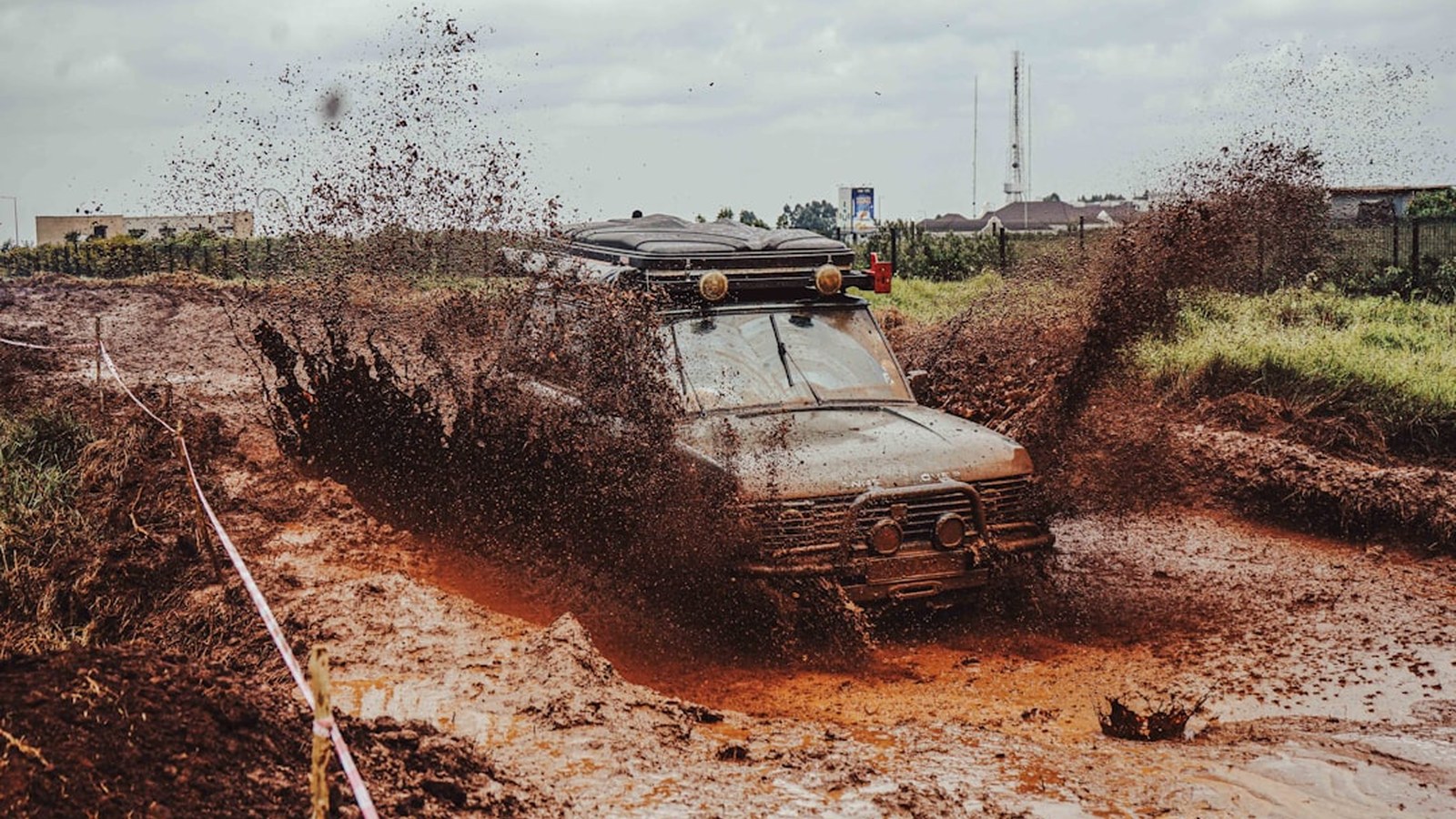 Photo: Brian Kungu / Unsplash
Off-road driving runs on a quiet kind of confidence. Sand, mud, and loose climbs all reward smooth, steady momentum. Rookies tend to do the opposite: they get nervous halfway up a soft climb, lift off the throttle, and sink right where they stopped.
The trick is to read the obstacle before you commit, pick your line, then carry consistent, measured momentum through it. Not a full-throttle banzai run, which is its own rookie mistake, but enough steady drive to keep moving. Stopping in deep sand or greasy mud is how you plant the rig to the axles.
If you do stop, do not just mash the gas and spin. Spinning tires dig holes. Back off, reassess, maybe air down a little more, and try again with a cleaner line.
6. Ignoring Line Selection
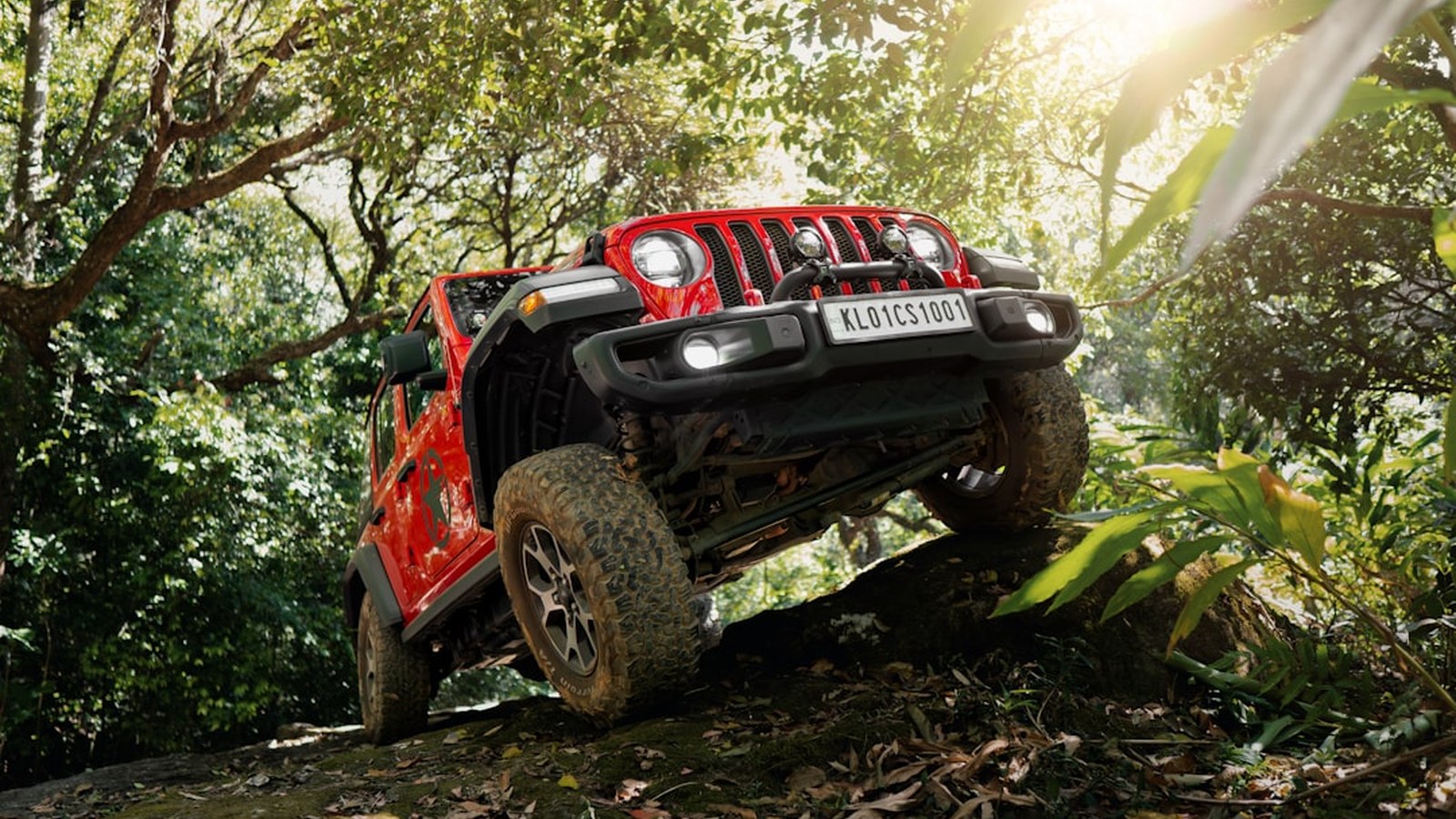 Photo: Abhinand Venugopal / Unsplash
Where you put your tires matters more than how much power you make. A beginner points the rig at an obstacle and hopes. An experienced wheeler looks at the same obstacle and sees a specific path: which rock to climb, which hole to straddle, which side to favor so the rig stays level.
Get out and walk the tricky sections. It feels slow and a little embarrassing at first, but walking an obstacle takes two minutes and can save you two hours of recovery. Look for the line that keeps three or four tires loaded, avoids the tire-swallowing hole, and does not put your diff or rocker on the sharp stuff.
This is also where a spotter earns their keep. A good spotter standing outside the rig can see the tire placement you physically cannot from the driver seat.
7. Driving With a Heavy, Panicked Right Foot
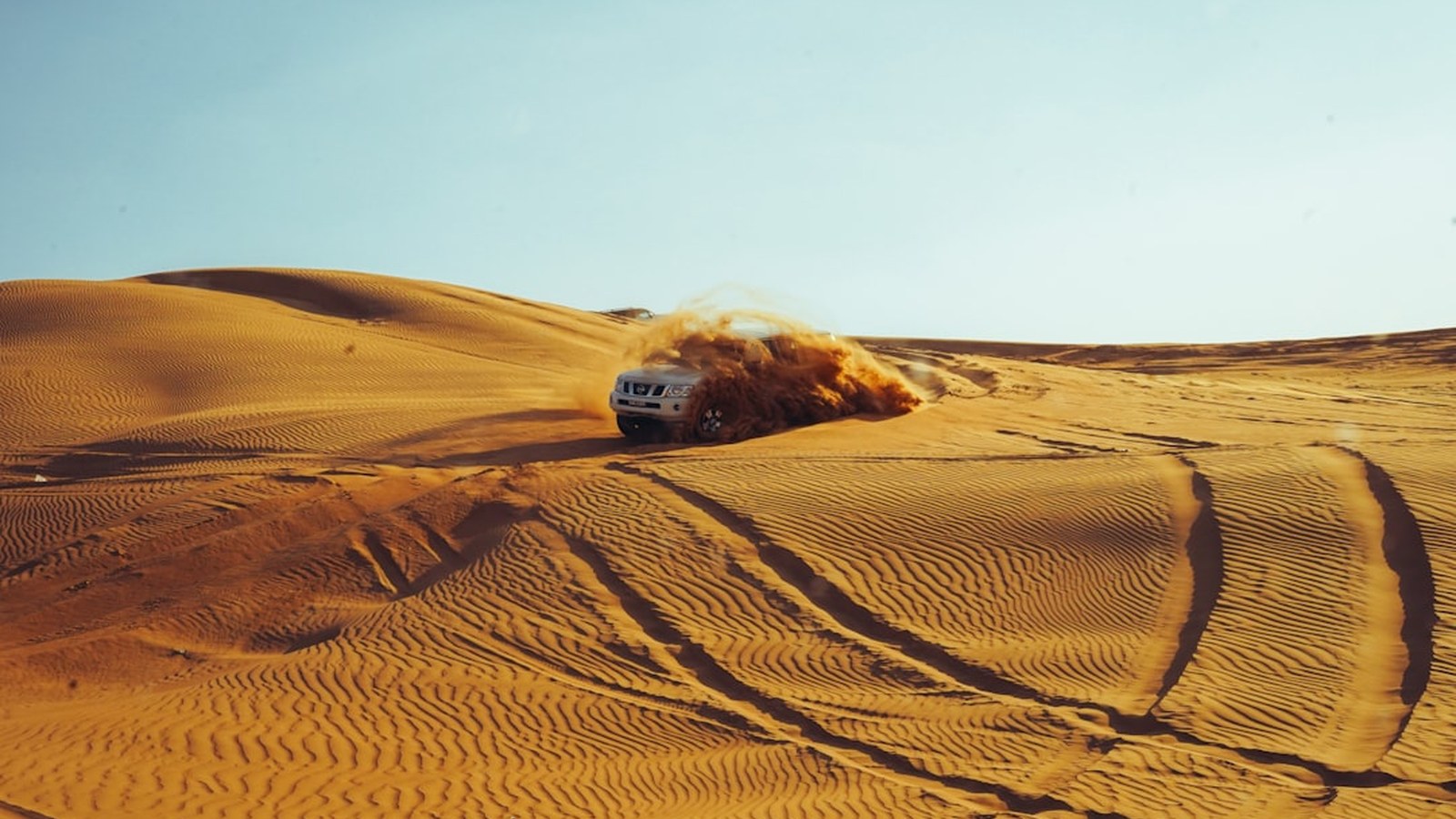 Photo: Abdul Haseeb M M / Unsplash
Throttle control is the skill that quietly separates smooth drivers from the rest. New off-roaders tend to treat the gas pedal like a light switch: all the way on or all the way off. On the trail, that translates to wheelspin, broken traction, and jerky, unpredictable handling right when you need finesse.
Slow is smooth, and smooth is fast. Feed the throttle in gently and let the tires find grip instead of breaking it loose. Use low range whenever you are actually wheeling, not just crawling gravel roads, so the drivetrain does the work and your foot can stay light. Low range gives you control at walking speed without riding the brakes.
Practice this on easy terrain until steady throttle becomes muscle memory. It pays off on every hard obstacle after that.
8. Trashing the Trail You Came to Enjoy
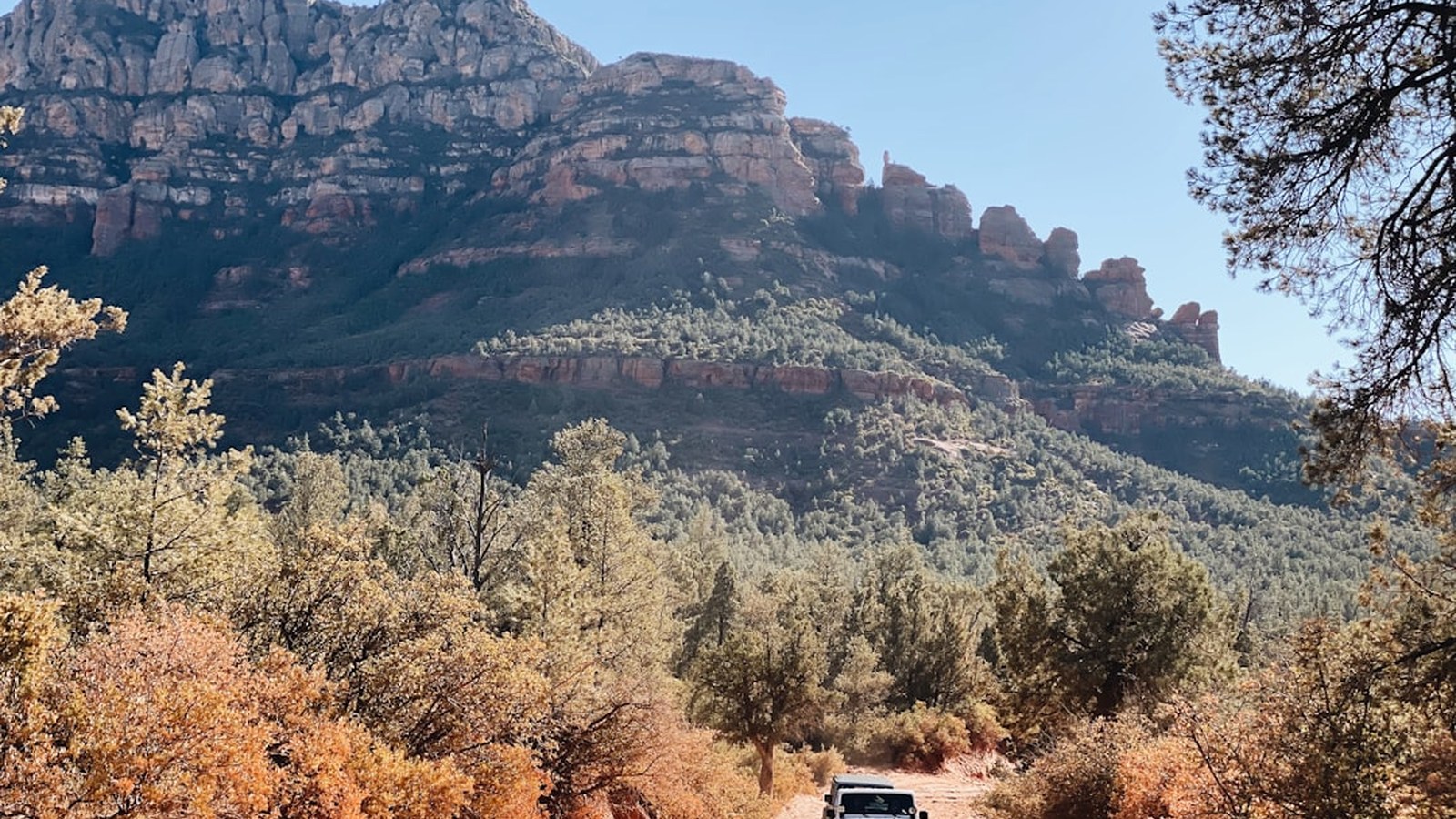 Photo: Noah Loffredo / Unsplash
This one does not bend metal, but it closes trails, and closed trails hurt everybody. Cutting switchbacks, blazing new paths around obstacles, tearing through meadows and mud when you could go around, leaving trash or spent brass behind: that is how access gets lost. Land managers watch this stuff, and every year trails get gated because a few people could not be bothered to tread lightly.
Stay on the designated route. Pack out everything you pack in, and pick up a little extra if you can. Tackle the obstacle or turn around, but do not widen the trail to dodge it. The Tread Lightly principles are worth reading before your first run.
The trails we love only stay open if we take care of them. That is not a lecture, it is self-interest.
9. Rolling Out With No Plan
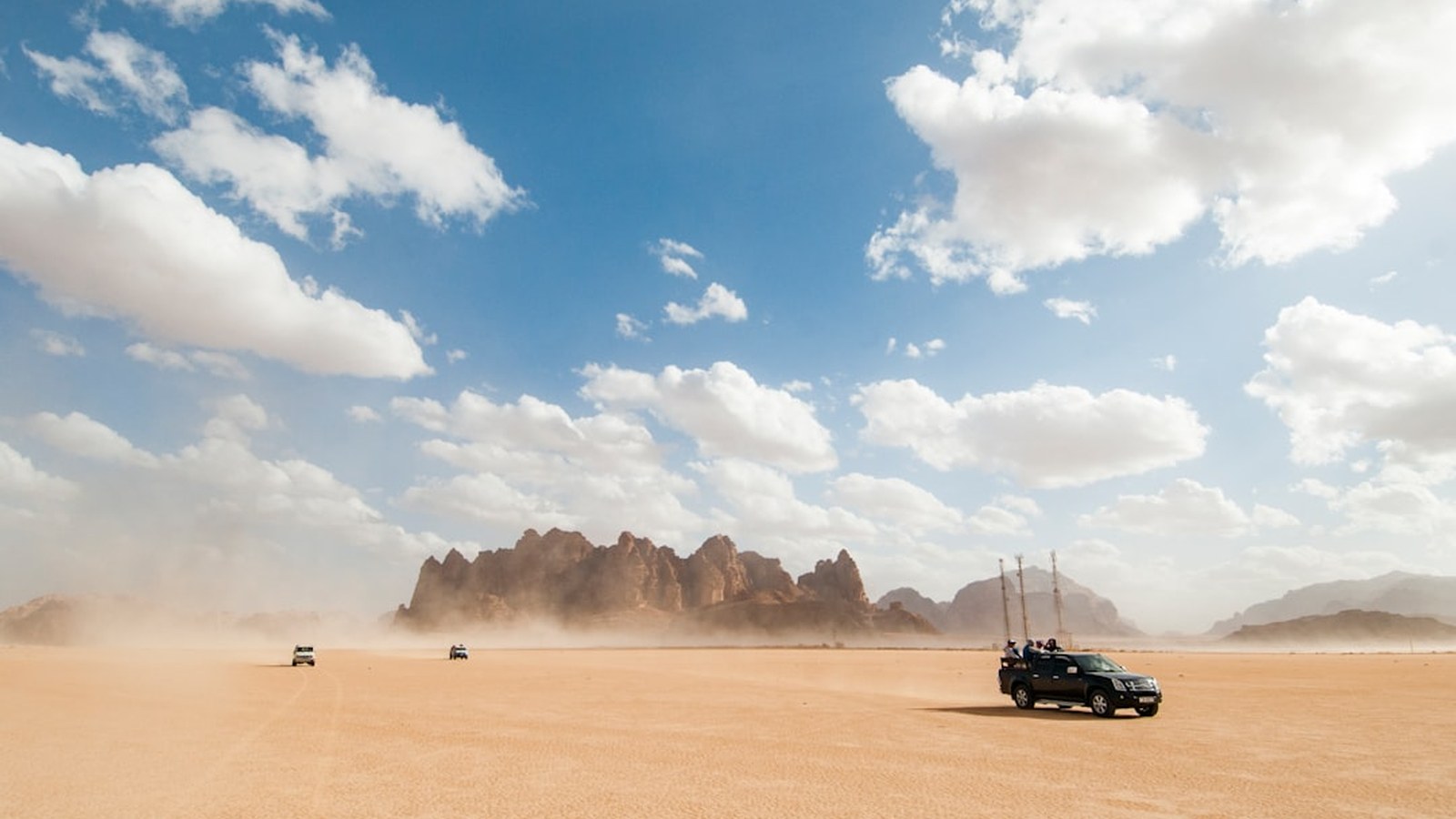 Photo: Juli Kosolapova / Unsplash
The last one ties the rest together. Rookies show up with a full tank of enthusiasm and no idea where they are actually going, how long it will take, or what the exit looks like if things go sideways. Then daylight runs out, the trail is harder than expected, and there is no plan B.
Do your homework before you leave the driveway. Know the trail rating, the length, the conditions, and any closures or permit rules. Download offline maps, because cell service disappears the second the fun starts. Check the weather, since a dry wash becomes a very bad place in a flash flood. Fuel up, and know roughly how far your range gets you.
A little planning is the cheapest insurance in off-roading. It is also the difference between a trip you tell stories about and a trip you would rather forget.
The Real Secret
None of these are complicated. That is the point. The wheelers who never seem to break down or get stranded are not luckier or richer than you, they just made these mistakes early, on easy trails, with a buddy nearby, and learned. Start small, air down, bring the gear, respect the rating, and go with people who know more than you do. The trail will teach you the rest.
Now go find some dirt.
Hero photo: Photo: Blake Carpenter / Unsplash