
Here is the thing nobody tells you when you first fall down the overlanding rabbit hole: you do not need a $80,000 rig with a rooftop tent, a dual-battery system, and a full skid plate package to sleep under the stars in a beautiful place. That impression comes from Instagram, and Instagram lies. The people running the coolest builds you see online almost all started the same way you are about to: with a stock vehicle, a cooler, and a tank of gas.
This is the guide we wish someone had handed us before that first trip. It cuts through the gear-marketing noise and tells you what actually matters when you are starting out, what you can skip for now, and how to get out there this month instead of “someday when the build is done.” Spoiler: the build is never done, so stop waiting.
What Overlanding Actually Is (and Isn’t)
Let’s clear this up first, because the words get thrown around loosely. Overlanding is self-reliant, vehicle-based travel to remote places where the journey itself is the point. You are getting from one place to another over unpaved or unimproved roads, camping along the way, and carrying what you need to be self-sufficient for a few days. The destination matters less than the going.
That is different from off-roading, which is usually about the challenge of the terrain itself: rock crawling, technical trails, and coming home at the end of the day. Overlanding might include some rough sections, but most of it happens on graded dirt, forest service roads, and mellow two-tracks that a stock vehicle handles just fine. If you can picture a long dirt road leading to a quiet campsite with no one else around, that is the heart of it.
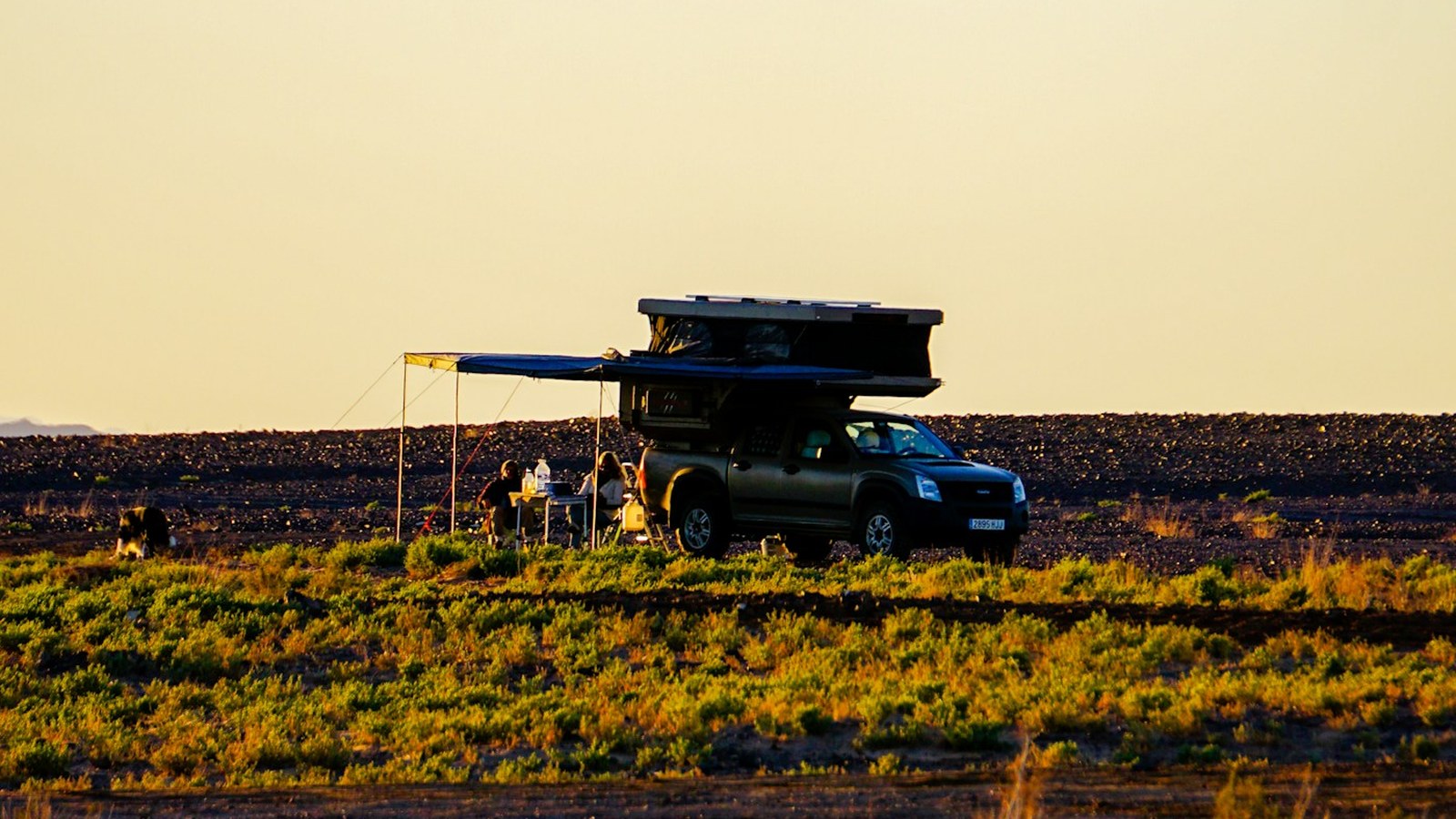 Photo: Offroad4x4Nation library
Understanding this distinction saves you money immediately. You are not building a rock buggy. You are building a comfortable, reliable way to reach quiet places and sleep there. That is a much cheaper goal.
Start With the Rig You Already Own
The single best overlanding vehicle for a beginner is the one already sitting in your driveway. A stock SUV, truck, or even a crossover with a little ground clearance will get you to 90 percent of the places worth going. Reliability matters far more than a lift kit or 35-inch tires when you are learning.
What you actually want in a starter rig is simple: it runs dependably, it has enough clearance to clear ruts and rocks without scraping, and it can carry your gear safely. All-wheel drive or four-wheel drive is a nice bonus for loose surfaces and snow, but plenty of people overland successfully in two-wheel-drive trucks by picking their routes sensibly and airing down their tires.
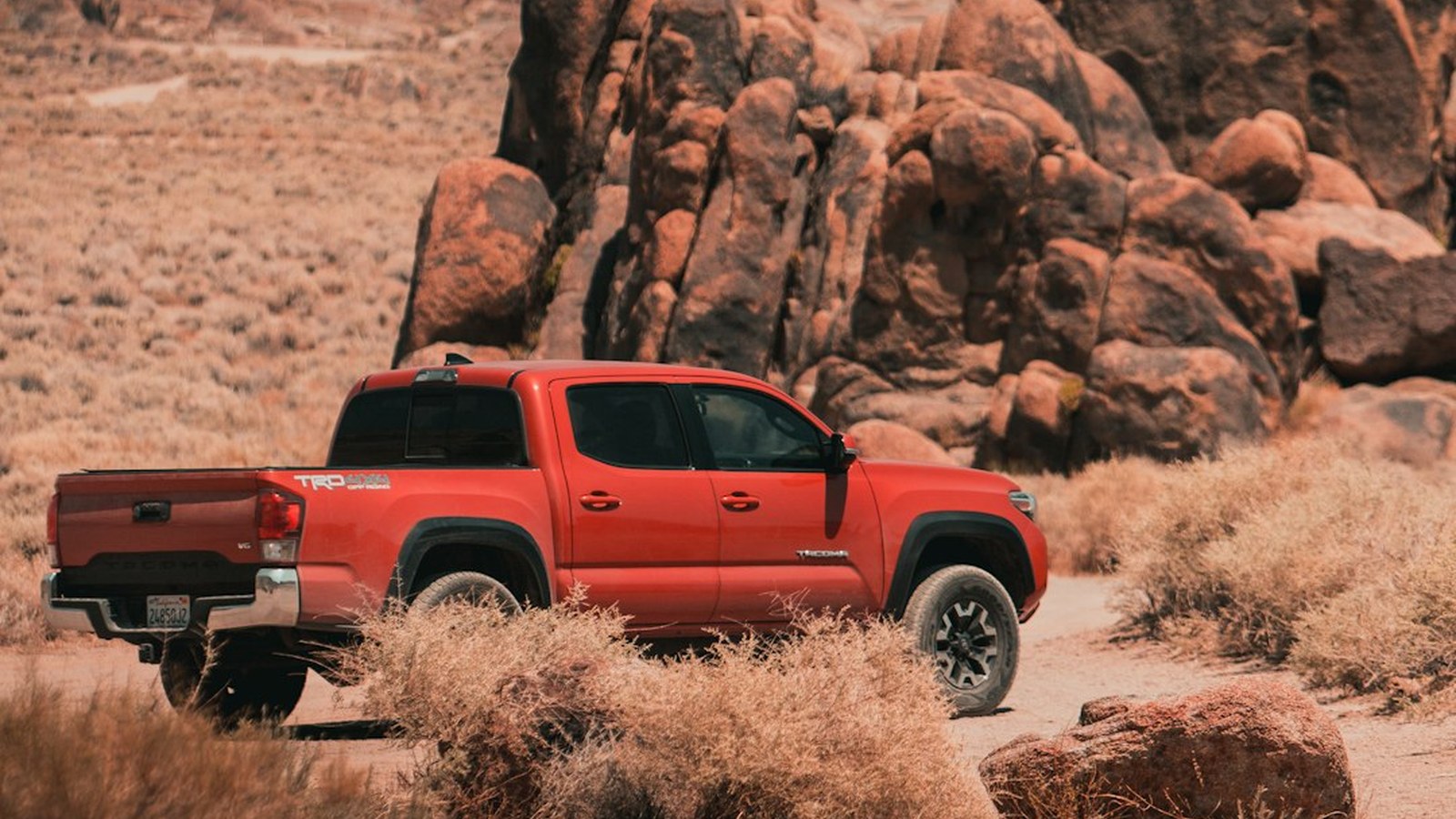 Photo: Offroad4x4Nation library
If you are shopping for something used specifically to overland, the community favorites are popular for a reason: older Toyota 4Runners, Tacomas, and Land Cruisers, Jeep Cherokees and Wranglers, and body-on-frame SUVs in general. They are proven, parts are everywhere, and the aftermarket support is enormous. But do not talk yourself into a purchase you cannot afford. A paid-off vehicle you already trust beats a financed dream rig every time.
Skills Beat Gear, Every Single Time
If you remember one line from this whole guide, make it this one: gear does not replace skill. A driver who knows how to read terrain, air down their tires, and pick a good line will out-travel someone with a fully loaded rig and no experience. The most expensive mistake beginners make is thinking they can buy their way to capability.
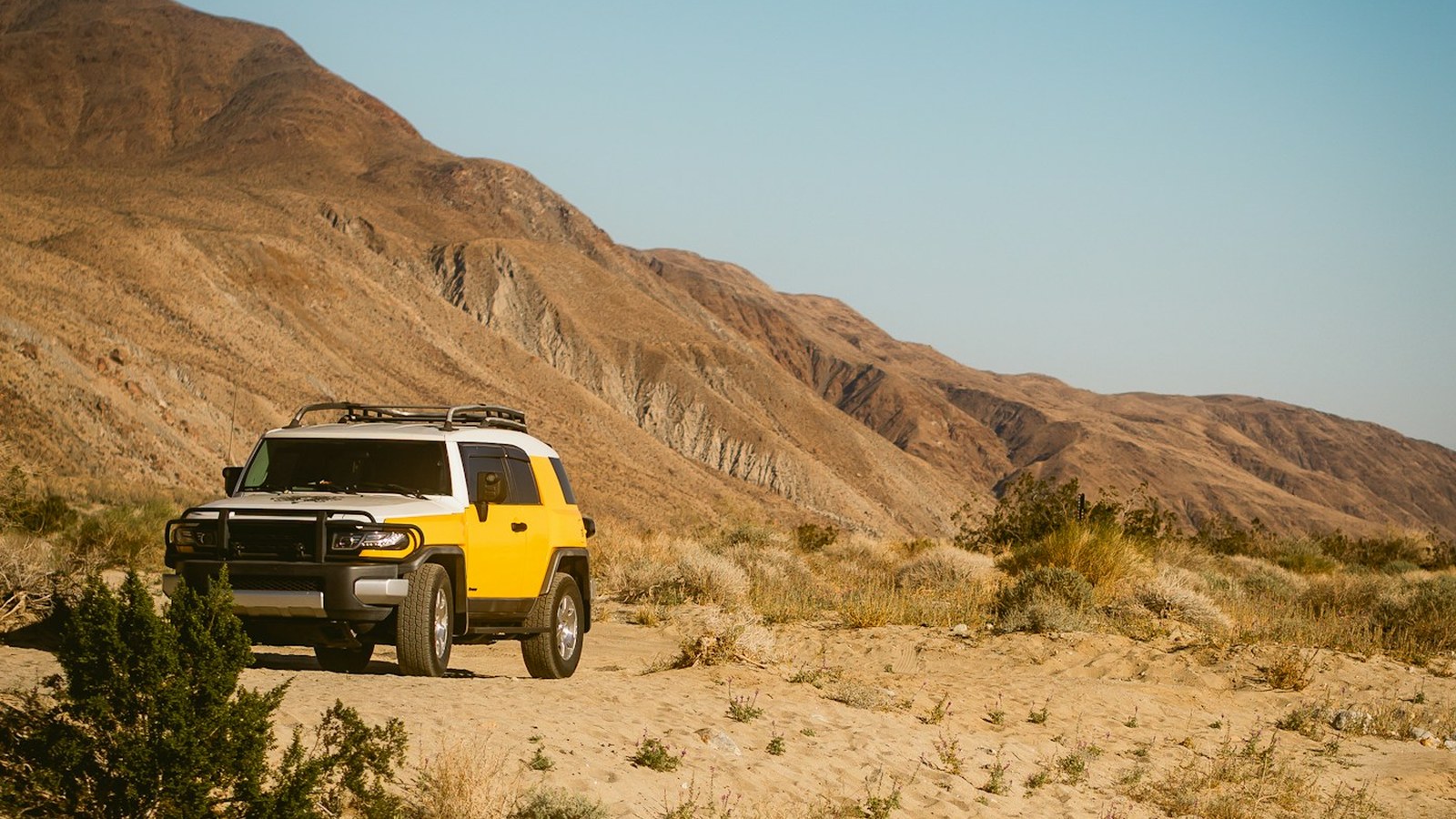 Photo: Offroad4x4Nation library
The good news is that the core skills are cheap to learn and mostly free to practice. Learn how to air down your tires for loose surfaces (dropping to somewhere around 18 to 22 PSI on dirt dramatically improves traction and ride, and you air back up at the end). Learn to read a trail and spot the good line before you commit to it. Learn basic recovery, how to use traction boards and a strap, before you are stuck at dusk with a dead phone. Every one of these is a YouTube video and an afternoon of practice, not a purchase.
Take a free or low-cost off-road driving clinic if one is offered near you. A single day with an experienced instructor will teach you more than a garage full of parts. Skills are the one upgrade that never rusts, never breaks, and never needs financing.
The Gear That Actually Matters (Buy This First)
Here is the honest starter list. This is the stuff that keeps you safe and gets you unstuck, and none of it costs a fortune. Buy in this order and you will be genuinely prepared:
Recovery basics. A quality tire deflator and a way to air back up (a portable air compressor) are the two most-used tools in overlanding, and they are inexpensive. Add a set of traction boards, a recovery strap rated for your vehicle’s weight, and a folding shovel. That covers the vast majority of situations a beginner will ever face. Traction boards routinely run around $100 to $150 for a solid set, and they will get you out of sand, mud, and snow more often than anything else you own.
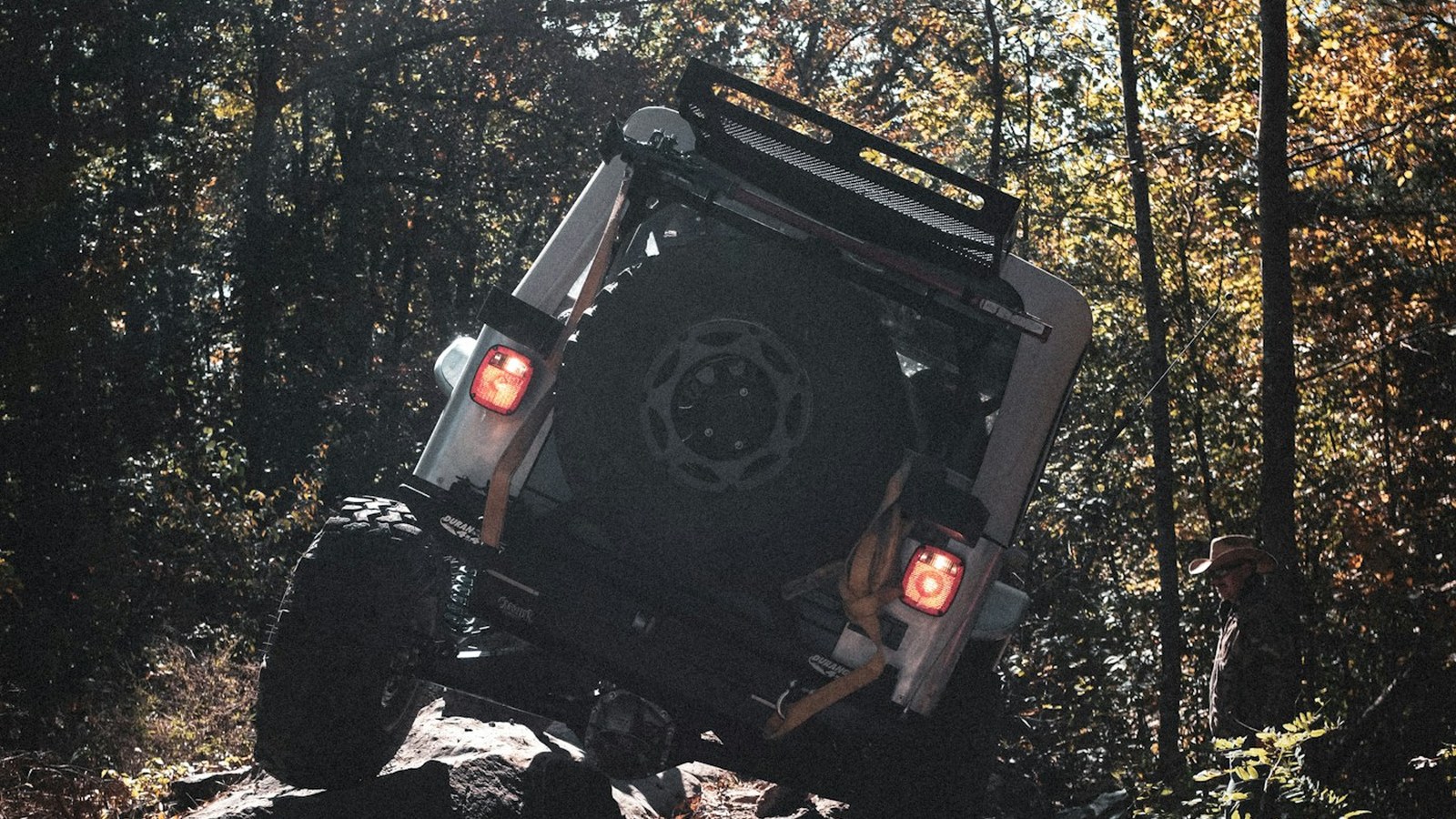 Photo: Offroad4x4Nation library
A real first aid kit and a way to fix a tire. A tire plug kit costs under $30 and can save a trip. Carry a proper first aid kit and actually know what is in it. These are boring purchases that matter more than any light bar.
Navigation you can trust offline. Cell service disappears the moment things get interesting. Download offline maps before you leave. Apps like onX Offroad and Gaia GPS show public land boundaries, motor vehicle use maps, and trail data that keep you legal and un-lost. This is one of the highest-value cheap tools you can add.
Water, recovery points, and common sense. Carry more water than you think you need. Know where your vehicle’s actual recovery points are (not the flimsy tie-down hooks). None of this requires a build; it requires a checklist.
Notice what is not on this list: winches, lifts, dual batteries, rooftop tents, and rock sliders. All of that is real and useful eventually, but it is phase two, three, or four. You do not need any of it to start.
Camp Simple, Sleep Anywhere
The rooftop tent is the icon of overlanding, and it is genuinely great, but at $1,500 and up it is not where a beginner should start. A ground tent you may already own, or an inexpensive one, works perfectly. Plenty of experienced overlanders sleep in the back of an SUV on a foam pad and love it.
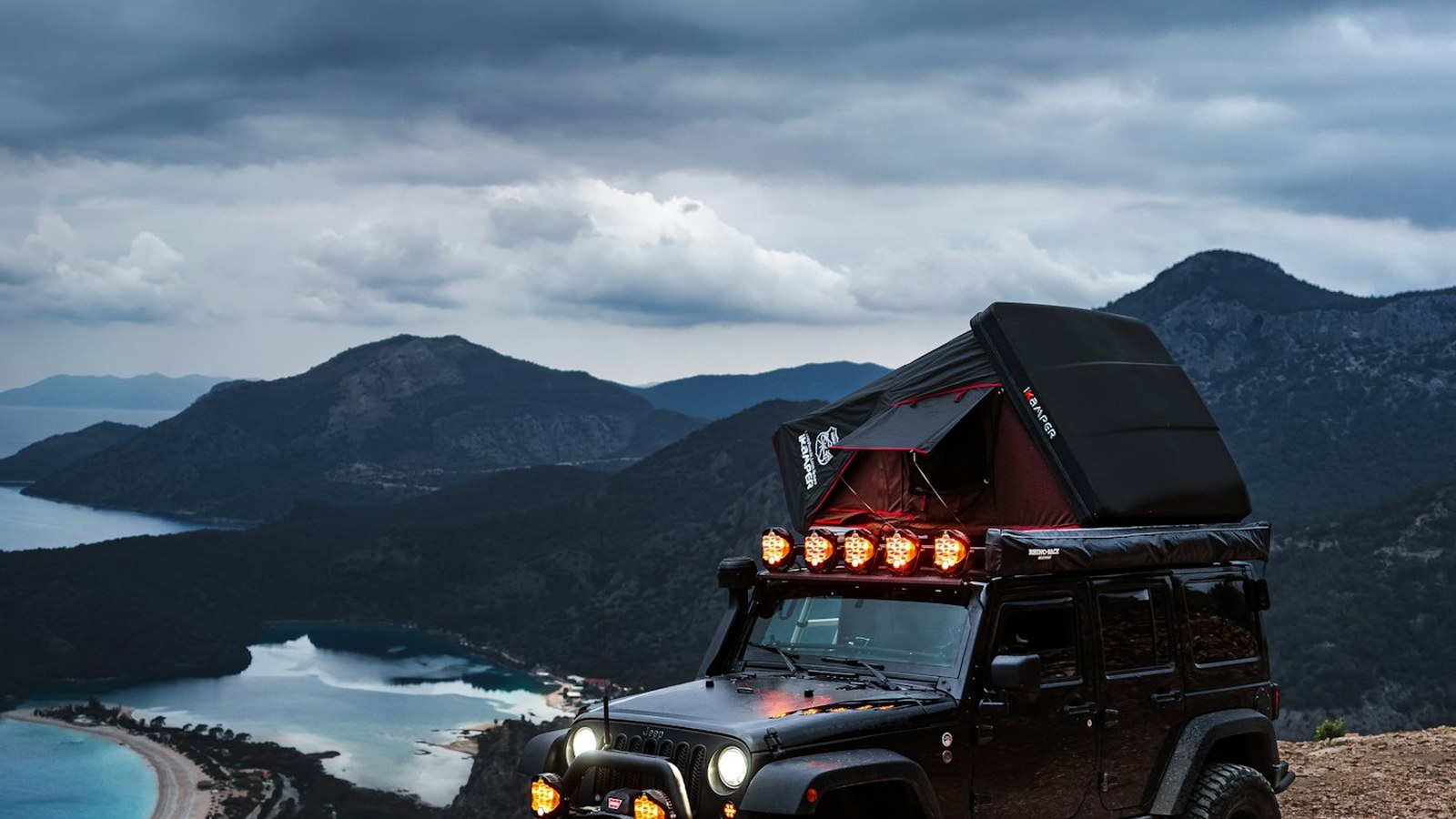 Photo: Offroad4x4Nation library
Your first camp kit can be almost entirely borrowed from regular car camping: a tent or sleeping platform, a sleeping bag rated for the conditions, a camp stove, a cooler, a headlamp, and a chair. If you already camp, you are most of the way there. Upgrade the pieces that annoy you after your first trip or two, not before. That is the smartest money you will spend, because you will actually know what bugs you instead of guessing.
One rule that keeps overlanders welcome on public land: pack out everything you pack in, and camp on durable surfaces or in established spots. Leave no trace is not a slogan, it is how these places stay open to us.
Plan a Shakedown Trip, Not an Expedition
The most common beginner mistake is going too big too fast. Do not plan a two-week expedition into the backcountry for your first outing. Plan a shakedown: a single overnight or a two-night trip on easy dirt roads, close enough to home and cell service that mistakes are cheap.
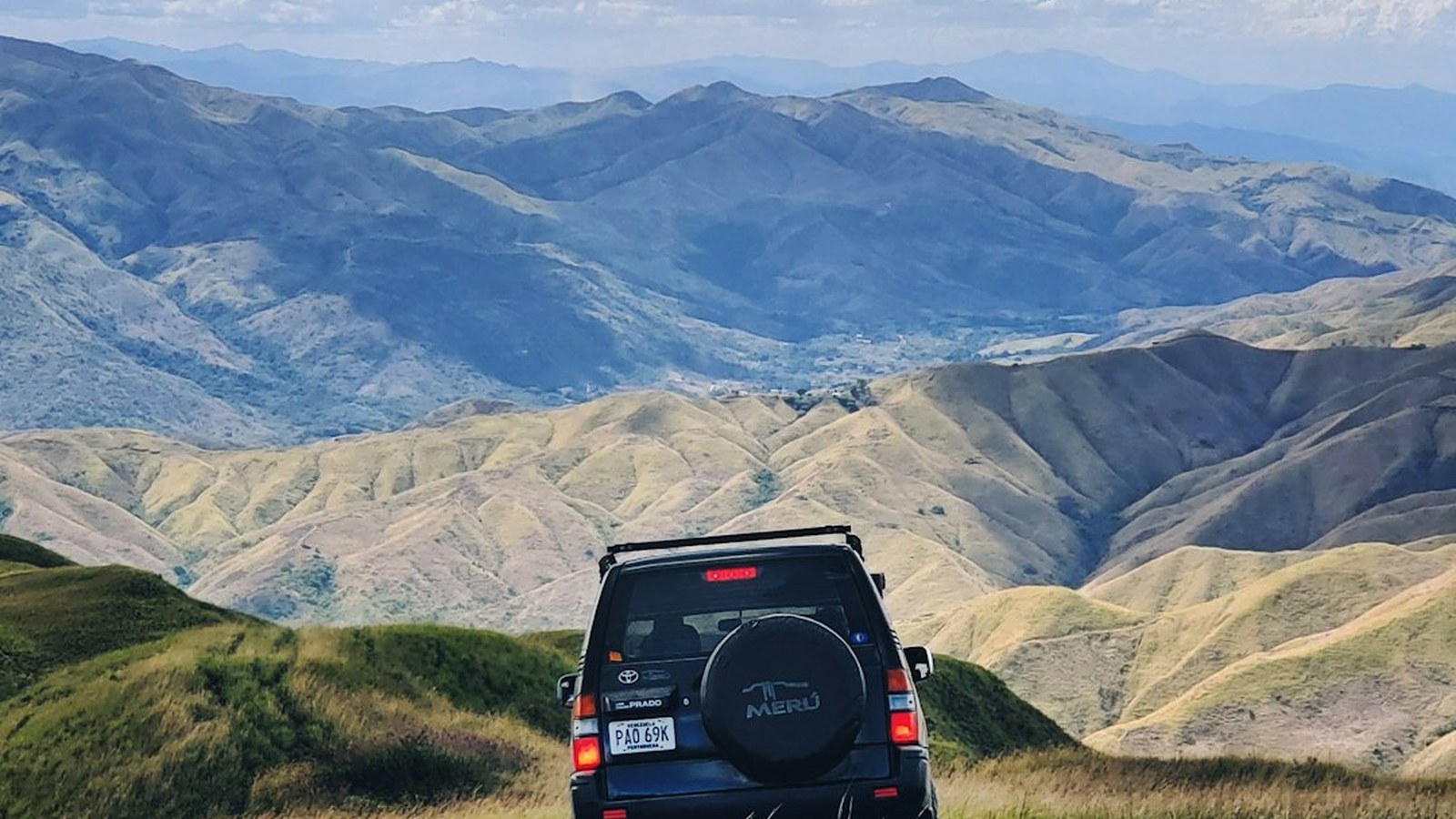 Photo: Offroad4x4Nation library
A shakedown trip does exactly what the name says: it shakes the bugs out. You will discover that your sleeping pad is too thin, that you forgot a can opener, that your stove is fussy, and that your dog hates the rooftop tent. Far better to learn all of that thirty minutes from pavement than three days deep in the desert. Run a nearby dispersed camping area on public land, keep it short, and treat it as a rehearsal.
Then go a little farther the next time. Then farther still. Overlanding rewards a slow build of both your rig and your confidence. The people with the wild expedition stories all started with a nervous first night in a state forest twenty minutes from home.
Where to Legally Go (and How to Find It)
You do not need private land or a secret spot. The United States has an enormous amount of public land open to dispersed camping and dirt-road travel: Bureau of Land Management land and national forests in particular allow camping outside developed campgrounds in most areas, usually for free, with a stay limit (often 14 days).
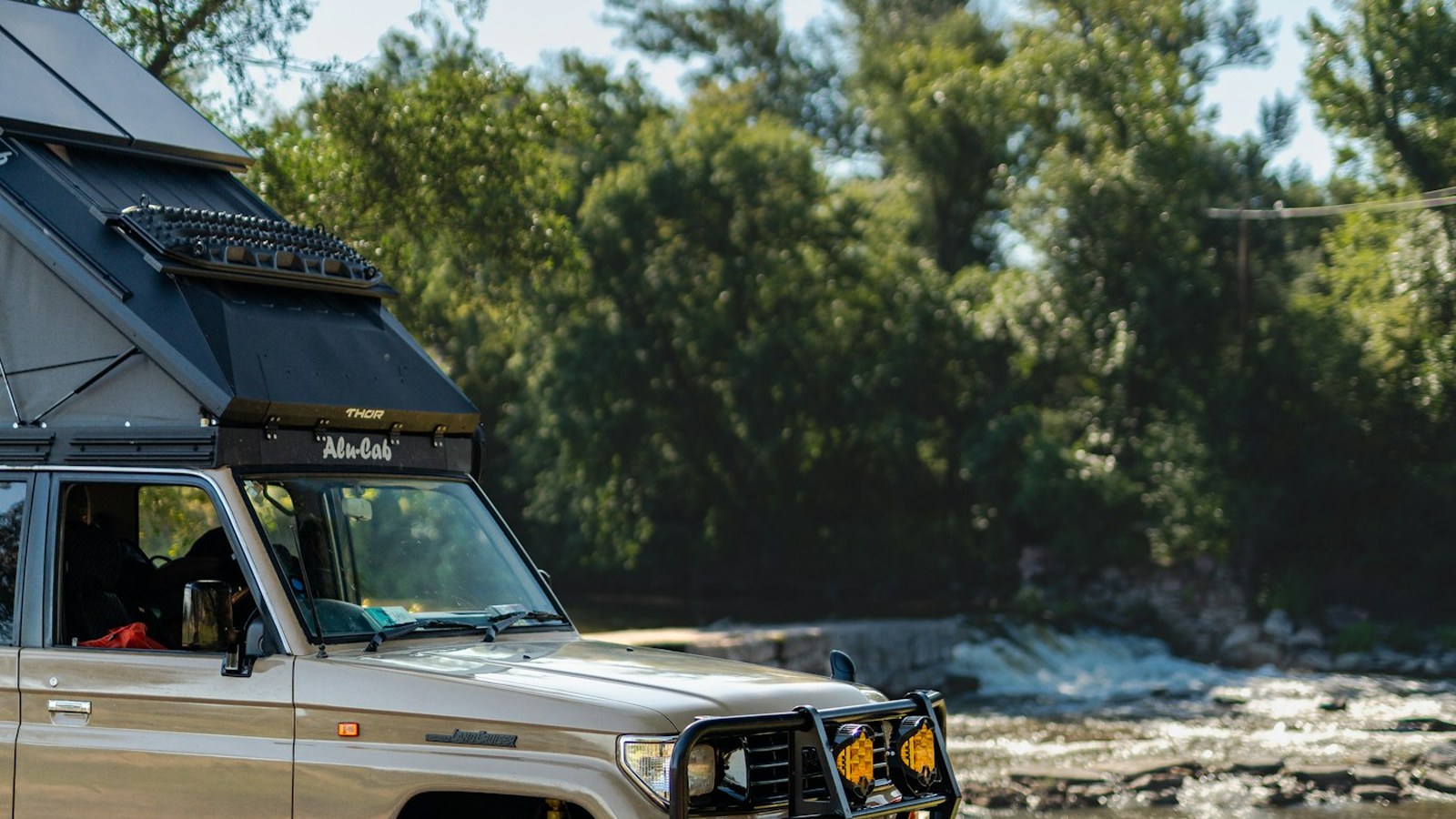 Photo: Offroad4x4Nation library
The trick is knowing what is legal, and that is exactly what the mapping apps are for. A motor vehicle use map (MVUM) tells you which forest roads are open to vehicles. Public-land layers in onX Offroad or Gaia GPS show you the boundaries so you are not accidentally camping on private property or a closed road. Check for seasonal closures, fire restrictions, and permit requirements before you go, because they change constantly and rangers do check.
Start with something well-documented and popular for your first few trips. There is no shame in a busy, well-known dirt road while you build skills. Solitude comes with experience.
Build Slow, Go Now
The overlanding trap is spending two years and a paycheck building the perfect rig you never actually take anywhere. Do not fall into it. The correct order is: go camping first with what you have, then upgrade only the things that genuinely annoyed you, then add comfort, and only then add serious capability. Never build everything at once, and never let the build become the hobby instead of the trips.
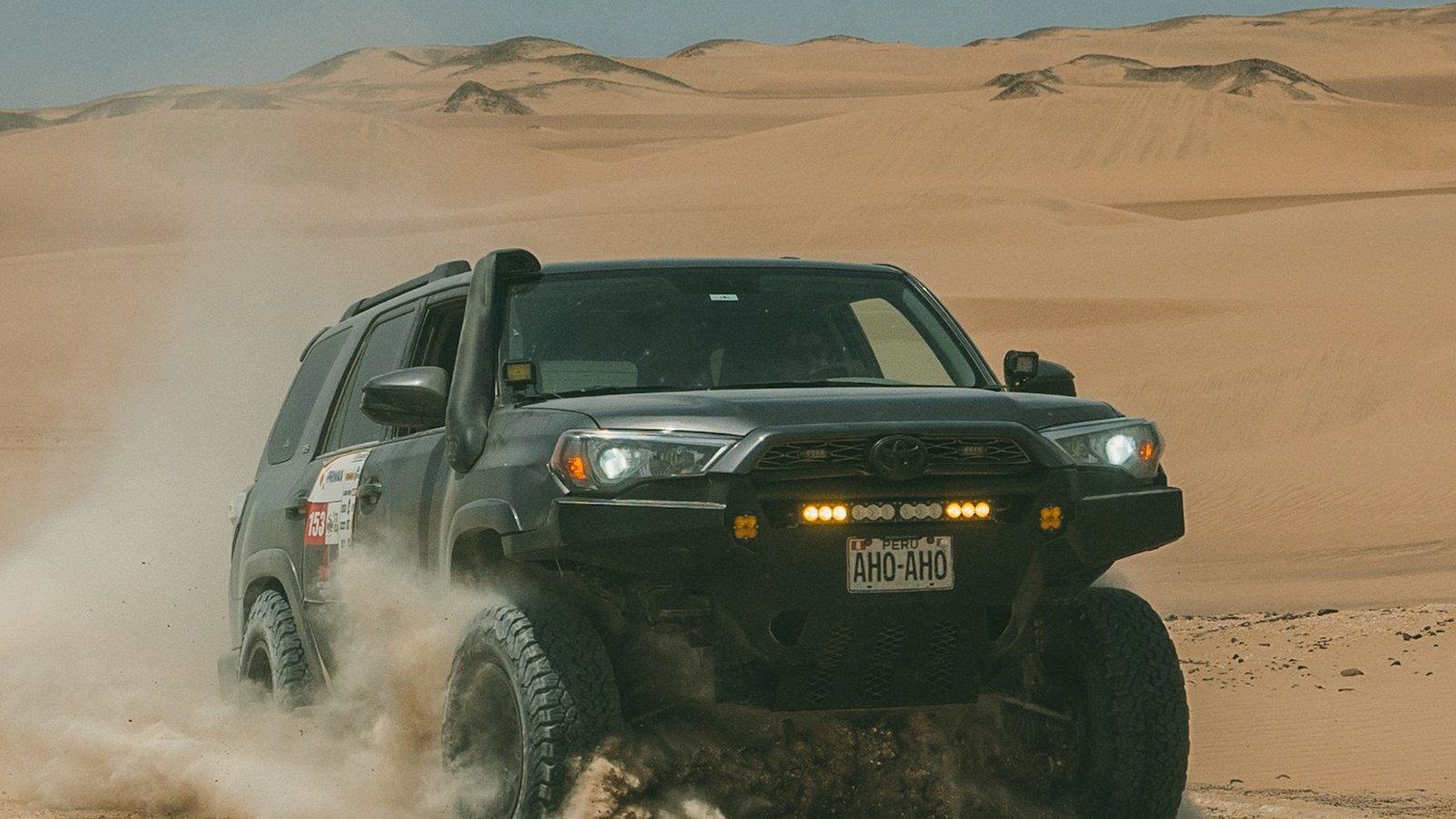 Photo: Offroad4x4Nation library
Overlanding is one of the few pursuits where the barrier to entry is almost entirely in your head. The vehicle in your driveway, a cooler, a tent, a full tank, and a downloaded map are genuinely enough to start this weekend. Everything else is refinement.
So pick a nearby patch of public land, load up the gear you already own, and go spend a night out there. The first trip is the hard one. After that, you are an overlander, and the only question left is where to point the truck next.