
You are forty miles past the last paved road, the sun is dropping, and your front axle just made a noise it has no business making. You reach for your phone out of pure habit. No bars. There never were any out here. That full battery and that blank signal icon are worth exactly nothing right now, and this is the moment that separates people who thought about emergency communication ahead of time from people who are about to have a very long, very cold night.
Cell phones are brilliant until they are not, and off the grid they simply are not. A satellite device is the single piece of gear that keeps working when everything else goes quiet. The problem is that the category is a mess of overlapping options, confusing subscription plans, and marketing that blurs the line between a texting gadget and a life-saving beacon. Let me cut through it so you can buy the right thing once instead of the wrong thing twice.
Why your phone fails out there
Cell coverage maps are optimistic fiction once you leave the interstate. Carriers build towers where people live and drive daily, not along the shelf road to a dispersed campsite in the San Juans. Terrain makes it worse: canyon walls, dense timber, and the far side of any ridge all block the line of sight a tower needs. Even newer phones with their own satellite SOS features lean on a narrow sliver of sky and often demand you stand in the open holding the phone just so, which is a bad bet when you are the one who is hurt.
 Photo: ashok acharya / Unsplash
The fix is a dedicated device built to talk to satellites, not towers. There are three real categories, and they are not interchangeable.
The three options in plain language
Satellite messengers let you send and receive text messages, share your location, and trigger an SOS, all through a commercial satellite network. They are two-way, which is the whole point: you can tell rescuers what is wrong, and they can tell you help is coming. They require a paid subscription.
Personal Locator Beacons (PLBs) do exactly one thing, and they do it with brute force. Press the button and the beacon screams your GPS position on the government-run 406 MHz Cospas-Sarsat network straight to search and rescue. No texting, no check-ins, no subscription. You register it once with NOAA for free and it waits.
Satellite phones are what they sound like: actual voice calls from anywhere. They are the most capable, the most expensive, and the most overkill for a weekend wheeler, but they earn their keep on long expeditions and for groups who genuinely need to talk.
 Photo: Hamid Tajik / Unsplash
Satellite messengers: the overlander default
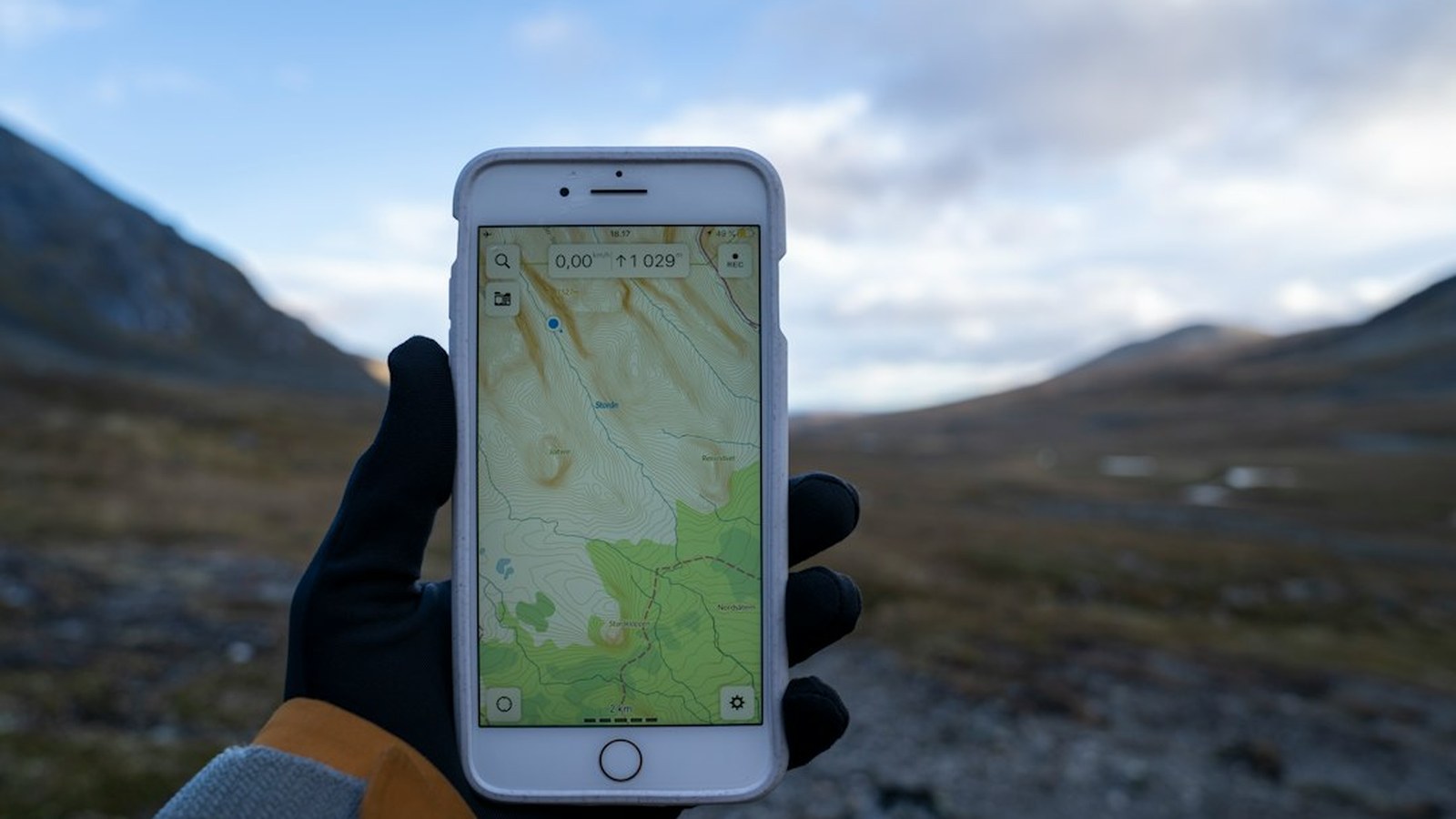 Photo: Hendrik Morkel / Unsplash
For most off-road and overland travel, a two-way satellite messenger is the sweet spot. You get real conversation with the outside world, routine check-ins so your people are not panicking, weather forecasts, and an SOS that connects to a 24/7 emergency coordination center.
The Garmin inReach Mini 2 is the one you see clipped to the most grab handles, and for good reason. It runs on the Iridium network, which gives true global, pole-to-pole coverage, weighs about 3.5 ounces, and gets up to roughly 14 days of battery in default tracking mode. It lists around $399.99. Garmin charges for the plan rather than the device, and the plans run from the pay-as-you-go Enabled tier at $7.99 a month up through Essential at $14.99, Standard at $29.99, and Premium at $49.99, plus a one-time $39.99 activation fee. Every plan, even the cheapest, includes SOS through the Garmin Response center.
The ZOLEO takes a slightly different angle. It also rides the Iridium network, pairs tightly with your phone through its app, and gives you a dedicated phone number and email address so people can reach you the same way every time. Plans run $20, $35, or $50 a month for 25, 250, or unlimited satellite messages, with unlimited check-ins and SOS baked in. After an initial three-month commitment you can suspend service for just $4 a month in the off-season, which is a genuinely nice feature for someone who only wheels half the year.
Worth knowing about too: the ACR Bivy Stick, another Iridium-based messenger that leans on your smartphone and offers flexible month-to-month plans, and the SPOT X, which has a built-in physical keyboard so it works without a phone but runs on the Globalstar network, whose coverage is not as complete as Iridium’s. If you travel into truly remote corners, Iridium is the safer coverage bet.
PLBs: the no-subscription insurance policy
 Photo: Marek Piwnicki / Unsplash
Here is the part people get wrong. A satellite messenger’s SOS is fantastic, but it depends on a commercial network, a charged lithium battery, and a working subscription. A PLB answers to none of that.
A Personal Locator Beacon transmits at 5 watts on the 406 MHz Cospas-Sarsat system, roughly three times the power of a messenger’s SOS, directly to the government search-and-rescue satellite constellation. There is no monthly fee, ever. The battery sits dormant for years and is rated to run for 24-plus hours once you activate it.
The ACR ResQLINK 400 is a benchmark: buoyant, GPS-enabled, no subscription, with a five-year battery and 121.5 MHz homing plus a strobe so rescuers can close the final distance. It runs in the $340 to $360 range. The Ocean Signal rescueME PLB1 is one of the smallest beacons made, waterproof to 15 meters, with a seven-year battery storage life and a matching seven-year warranty, listed around $399.95.
The tradeoff is blunt: a PLB cannot text, cannot check in, and cannot tell anyone what is wrong. It only shouts “emergency, here I am.” That is a feature. When the situation is bad enough, you do not want to compose a message, you want to press one button and know the most powerful signal available is on its way up.
How NOAA registration works
This trips people up, so get it right. A PLB must be registered, and in the United States that registration is free through NOAA at beaconregistration.noaa.gov. You enter the beacon’s unique ID, your contact info, your emergency contacts, and details about how you travel. When your beacon fires, SAR coordinators instantly see who you are and who to call, which speeds everything up and cuts down on false-alarm guesswork. Registration is good for two years, after which NOAA emails you to confirm your details are current. It costs nothing and takes about ten minutes. Do it the day the beacon arrives.
Satellite messengers handle this differently: you activate a paid subscription with the manufacturer, and your account profile carries your emergency details. No NOAA step, but no coverage without an active plan either.
Who actually needs what
 Photo: Clint McKoy / Unsplash
The solo overlander. You are the priority case, because if something pins you under a rig or knocks you out, nobody is driving for help. Carry two things if you can: a two-way messenger for the ninety percent of problems that are not life-threatening (running late, need a part, truck is stuck but you are fine) and a PLB as the dead-simple, no-subscription fallback for the day everything goes wrong. If you buy only one, buy the messenger, because communication prevents most emergencies from becoming rescues.
The group. One strong two-way messenger per vehicle is ideal, but at minimum the group needs one reliable device and a plan for who carries it. A single PLB shared across a convoy is better than nothing but weak, because the beacon stays with the rig that has it, not the person who wanders off and gets hurt.
The family. A messenger with generous or unlimited messaging earns its subscription here, because kids and worried relatives back home will use check-ins constantly, and that peace of mind is the actual product you are buying.
What the subscriptions really cost
Budget for the plan, not just the device. A messenger is realistically $15 to $50 a month depending on how much you message, and several brands let you suspend or drop to a cheap pay-per-use tier in the off-season, so you are not burning $30 a month in January. A PLB is the opposite math: a higher one-time purchase, then zero recurring cost for the life of the battery. Over five years, a PLB can be cheaper than a messenger, but it buys you far less day-to-day capability. Most serious remote travelers end up owning both and treating the PLB as pure insurance.
What to do when you trigger an SOS
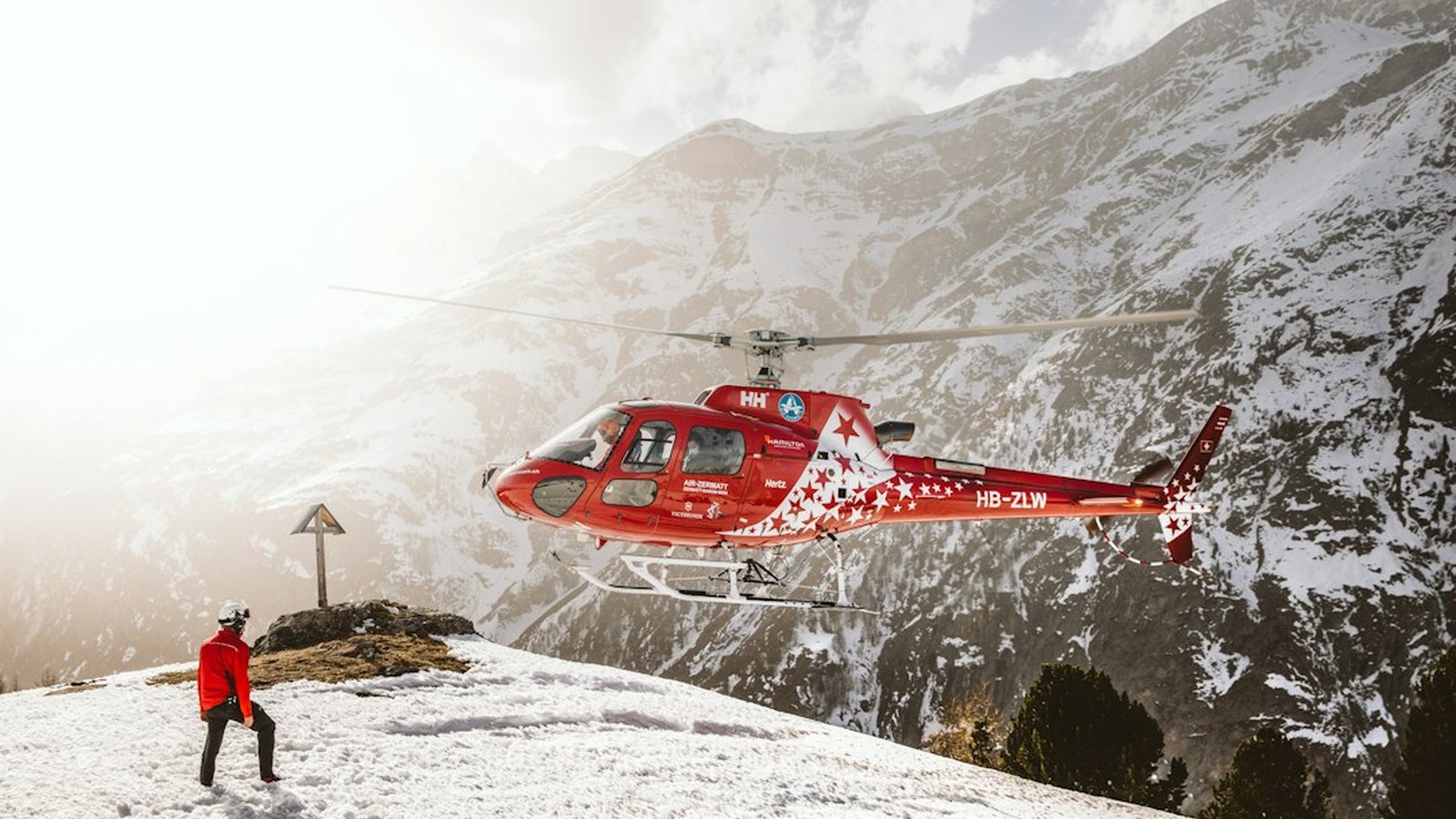 Photo: Kevin Schmid / Unsplash
Pressing the button is the start, not the end. Once you activate, stay put if it is safe to do so, because a moving target is harder to find and you may wander out of a good sky view. Keep the device’s antenna pointed up with a clear line to the sky. If you are on a two-way messenger, answer the coordination center’s questions clearly: number of people, nature of the injury, whether you can move. On a PLB, let the beacon run and make yourself visible with light, color, or a signal mirror. Do not power the device off to save battery; these are built to transmit for a full day or more, and the continuous signal is what lets rescuers home in.
Carrying and mounting on your rig
 Photo: Mich Ael / Unsplash
A life-saving device that is buried in a bin under the drawer system is a paperweight. Keep your primary messenger somewhere you can reach it one-handed, injured, in the dark: a dash mount, a grab-handle clip, or a dedicated pocket on your seat organizer. A PLB belongs on your person, not in the truck, because the whole point is that it stays with you if you get separated from the rig. Clip it to a pack strap or a belt. Mind the antenna too: these need a view of the sky, so a beacon buried in a steel console or under a steel roof rack will struggle. Test your messenger’s check-in function at the trailhead before you lose signal, confirm the battery is topped off, and make sure at least one person at home knows you carry it and what a check-in message means.
Remote travel is not about expecting disaster. It is about making sure that the one time something goes sideways, you are not relying on a phone that was never going to work out there. Buy the right device, register it, mount it where you can grab it, and then go enjoy the quiet that got you into this in the first place.