

A winch is the one piece of gear you buy hoping you never truly need it, and then one day you’re buried to the axles in Utah clay with the sun going down and it becomes the most important thing bolted to your truck. That’s exactly why the wrong winch is such a cruel purchase. It sits there looking capable for months, and then it lets you down at the precise moment recovery is no longer optional.
The good news: choosing a winch you can actually trust is not complicated once you understand what the numbers mean and where the money should go. Let’s walk through it the way you’d talk it over with a buddy in the driveway, not the way a spec sheet reads.
Start With Sizing, Because Everything Else Is Secondary
Get the pull rating wrong and nothing else matters. The industry rule of thumb is simple and it has held up for decades: your winch should be rated to at least 1.5 times your vehicle’s gross vehicle weight. Not curb weight, not what the brochure said when the truck was new. Gross vehicle weight, meaning the rig loaded the way you actually run it, with fuel, gear, a fridge, recovery boards, and whatever else lives in the back.
There’s a real engineering reason behind that 1.5 multiplier, and it’s worth understanding. A winch’s advertised rating is measured at the very first layer of rope on a bare drum. That’s where the drum diameter is smallest and the mechanical advantage is highest. As rope stacks up in layers, the effective diameter grows and pulling power drops, sometimes by 20 to 30 percent by the time you’re on the outer layers. So a “10,000 pound” winch is often pulling closer to 7,500 or 8,000 pounds once there’s a lot of line out. Buying with a 1.5x cushion means the winch is still comfortably strong on the layers where you’ll actually be working.
For most Jeep Wranglers (JK and JL) and midsize trucks like a Tacoma or 4Runner, that math lands you in the 8,000 to 10,000 pound range, and 9,500 to 10,000 is the honest sweet spot. Deep mud, a steep pull, or a winch that’s fighting suction all eat into your margin fast, so rounding up is smart. Step up to a Gladiator, a full-size half-ton, or a heavily built rig and you want to be looking at 12,000 pounds and up.
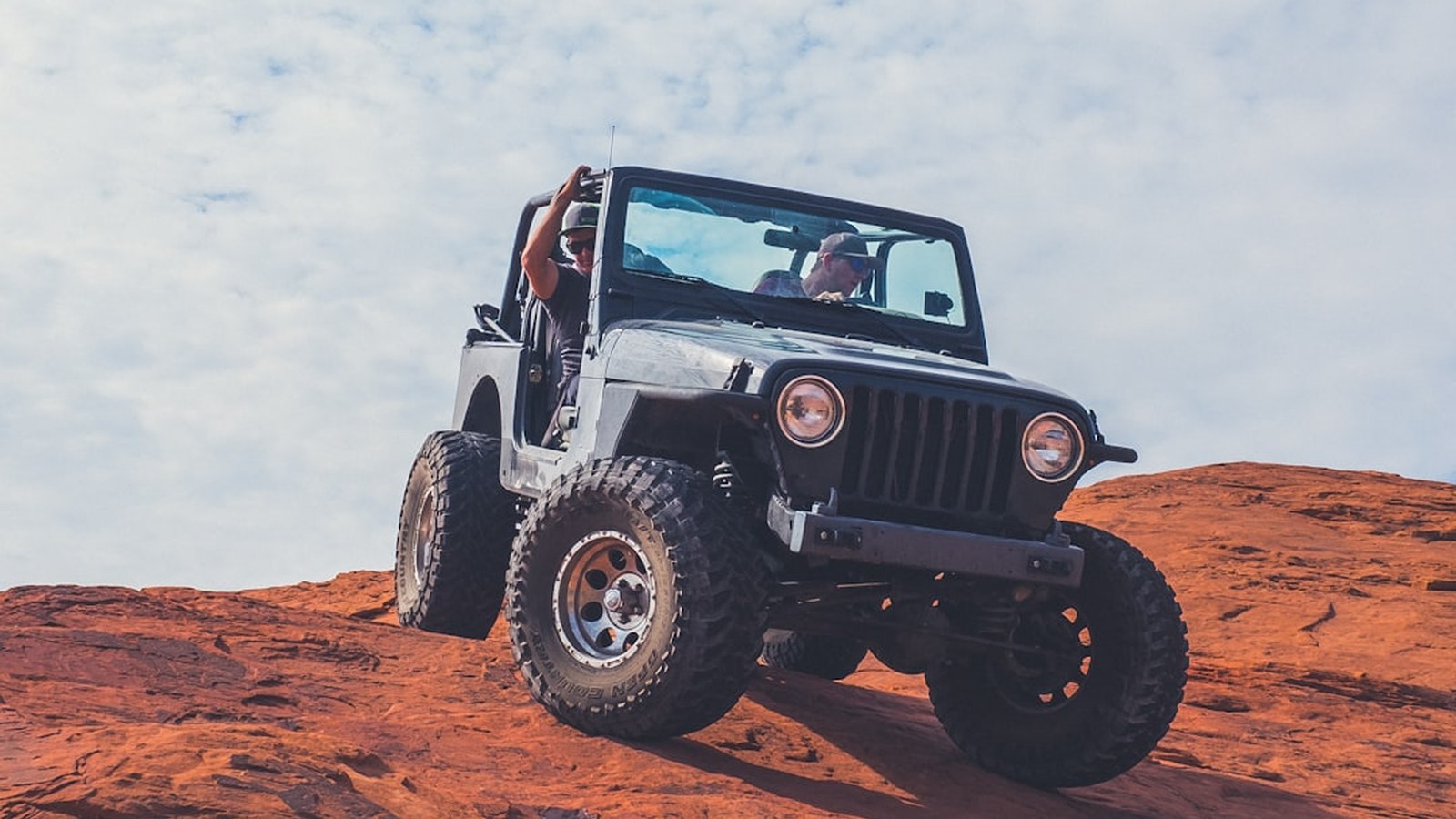 Photo: Quilia / Unsplash
Synthetic vs Steel: The Rope Decision Everyone Argues About
This is the debate that fills forum threads, and honestly the answer for most people is clear. Synthetic rope wins for the vast majority of trail and overland use, and here’s why.
Synthetic line (usually a high-strength polyethylene like Dyneema or Spectra) weighs roughly a quarter of what steel cable weighs. A 3/8-inch synthetic line runs around half a pound per foot; equivalent steel is up to four times heavier. That weight lives out on the front of your truck, so lighter rope means better handling and a lot less strain hauling line out to an anchor point.
The bigger reason is safety. When a line is under load it stores a tremendous amount of energy, and if it fails, that energy has to go somewhere. Steel cable snaps back with lethal recoil and has genuinely killed and maimed people. Synthetic stores far less energy and tends to just drop when it breaks. That single fact is why most sanctioned off-road events now recommend or outright require synthetic line. Synthetic also floats, doesn’t develop the vicious wire “barbs” that shred gloves and hands, and is far friendlier to handle in a stressful recovery.
Steel isn’t dead, though. It’s cheaper, it shrugs off abrasion over sharp rock and gravel far better, and it doesn’t care about UV or heat. If you’re doing hard, dragging, rock-heavy work where the line is constantly grinding across abrasive surfaces, steel still has a legitimate place. But for trail duty, overlanding, and the way most people use a winch, synthetic is the answer.
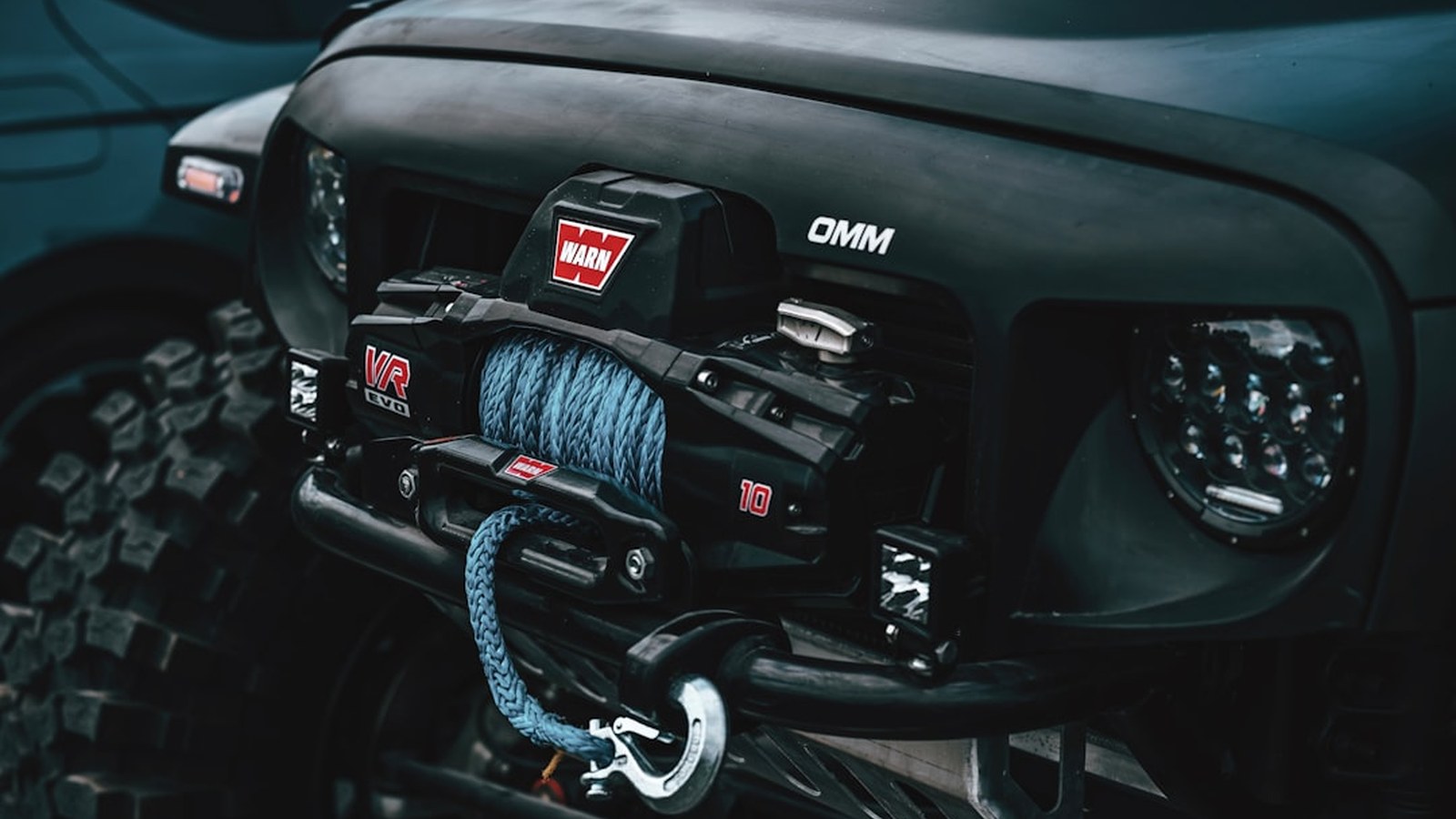 Photo: Egor Komarov / Unsplash
The Catch With Synthetic: It Needs Care
Synthetic rope isn’t magic. It has real weaknesses you have to respect. UV exposure, heat, mud, and chemicals all degrade the fibers over time, and abrasion against rock is its enemy. Quality ropes come with a protective coating and often an abrasion sleeve, but you still need to inspect your line, rinse it after muddy pulls, keep it out of prolonged sun when you can, and replace it when it starts to fuzz, glaze, or show flat spots. A synthetic line that looks tired probably is. That’s a cheap replacement compared to what a failure costs.
Steel, by contrast, is nearly maintenance-free on the surface but hides its own problems. It rusts, it develops kinks, and those broken strands become razor-sharp burrs. So there’s no truly zero-effort option here. Pick your maintenance style.
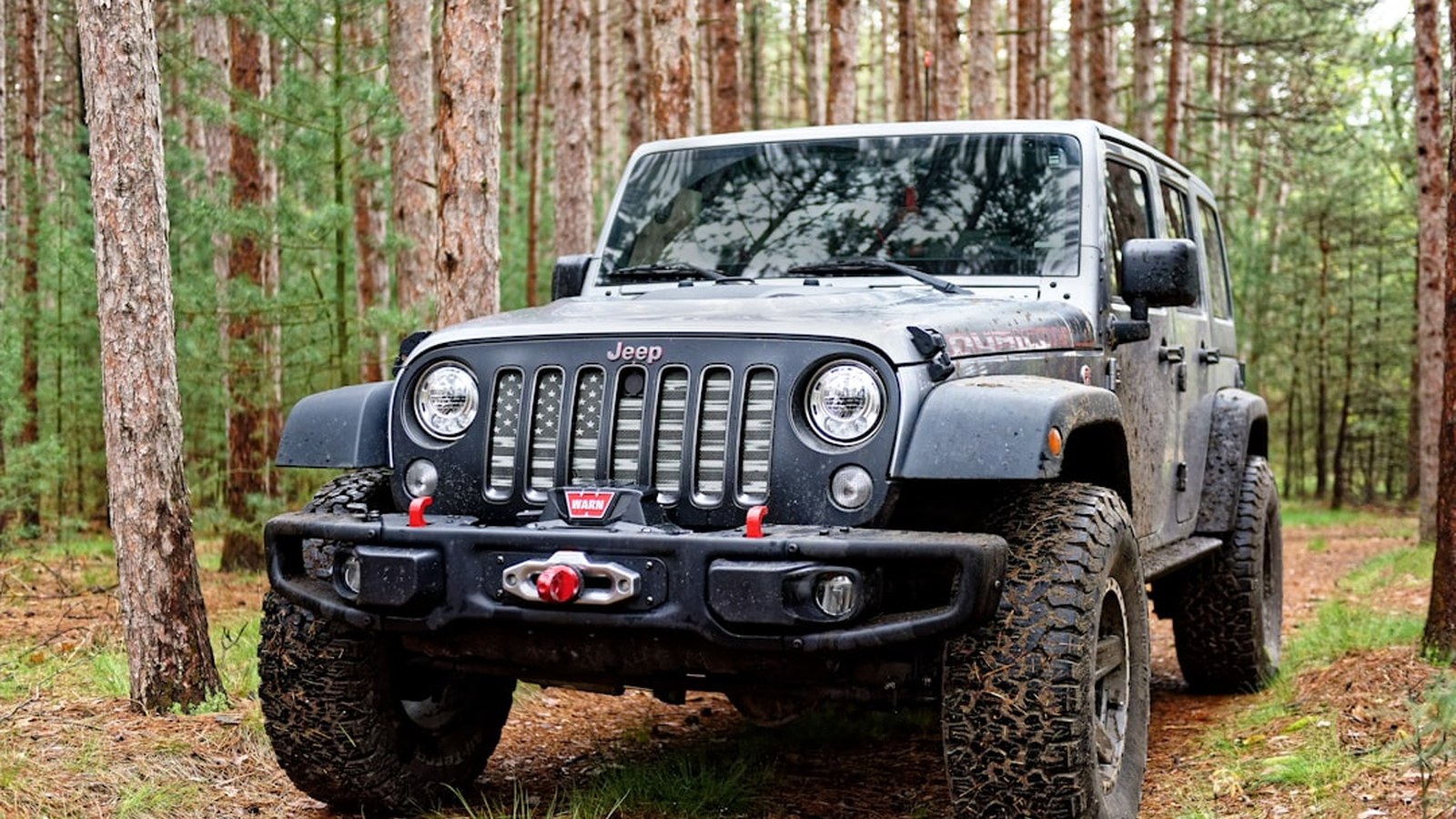 Photo: Dan Gomer / Unsplash
Don’t Forget the Fairlead
Here’s a detail that trips people up and quietly wrecks their gear: the fairlead has to match the rope. A fairlead is the guide the line passes through at the front of the winch, and there are two kinds.
A roller fairlead uses four rollers and is made for steel cable. A hawse fairlead is a smooth solid block, usually aluminum, and is made for synthetic. Run steel through a hawse and it will gouge grooves into the aluminum until the fairlead is ruined. Run synthetic through a roller fairlead and the gaps between rollers can pinch and abrade the rope at the corners, chewing up your expensive line. If you’re switching from steel to synthetic, budget for a proper aluminum hawse fairlead at the same time. It’s a small part and skipping it undoes the whole upgrade.
Motors: Series Wound vs Permanent Magnet
Under the housing, winches use one of two motor types, and the difference matters more than the marketing suggests.
Permanent magnet motors are lighter, cheaper, and draw less current from your battery. They’re perfectly fine for lighter rigs and occasional use. Their weakness is heat: under sustained load they get hot fast, and as they heat up, power drops off. String together several long pulls and a permanent magnet motor will fade on you.
Series wound motors are heavier and more expensive, but they make more power, tolerate heat better, and can handle a much higher duty cycle. If you run a full-size truck, crawl rocks, or expect repeated hard pulls, this is the motor you want. For a stock Wrangler that sees a winch a few times a season, a permanent magnet unit is genuinely fine. Match the motor to how hard you’re actually going to work the thing.
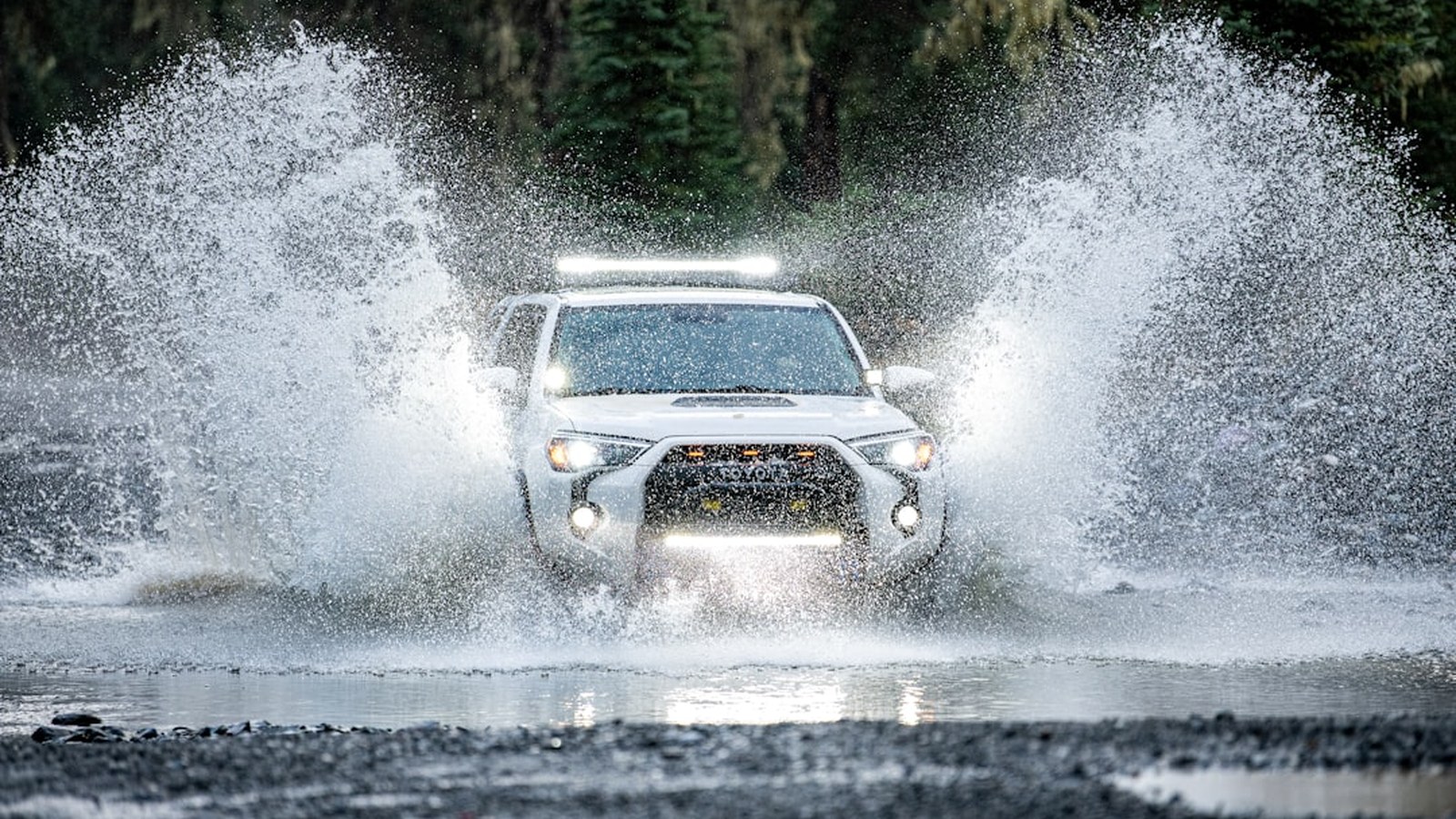 Photo: Kyle Grozelle / Unsplash
Gear Trains: Planetary Is the Trail Standard
You’ll see three gear systems mentioned: planetary, worm, and spur. For off-road recovery, planetary is what almost every modern winch uses and what you want. It’s compact, efficient, and gives you good line speed. Its one quirk is that it doesn’t hold a load on its own; it relies on the winch brake, which every quality winch has.
Worm gears are self-locking, meaning they hold the load mechanically without a brake, which sounds great until you learn they’re slow, run hot, and are less efficient. They’re mostly an industrial and specialty tool now. Spur gears are the most efficient but rare in this space. Bottom line: a good planetary winch with a solid brake is the right call for a trail rig, and you don’t need to overthink it.
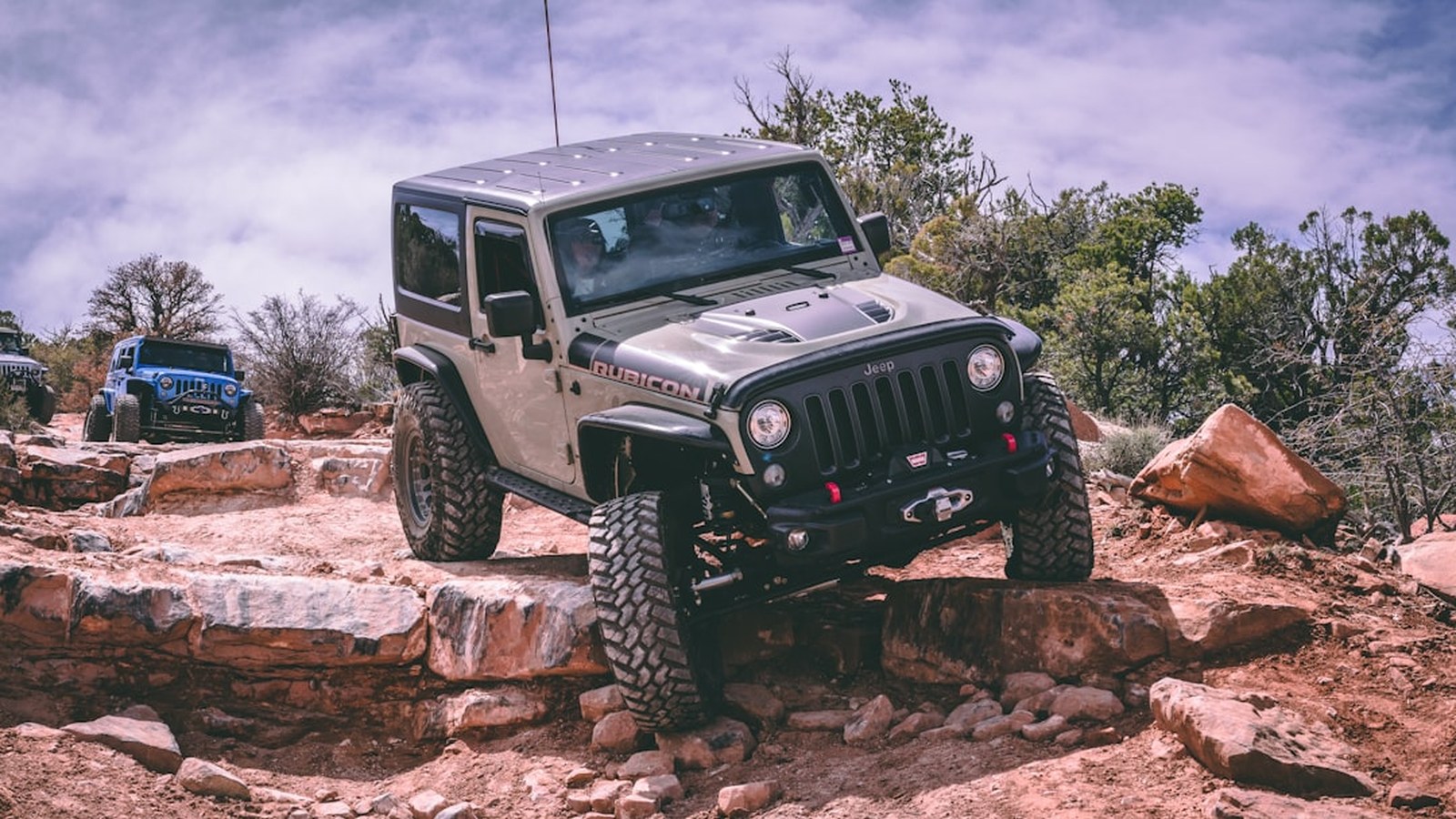 Photo: Cody Lannom / Unsplash
What to Skip
Now the part the box art won’t tell you. A few things are not worth your money or your trust:
Skip the no-name bargain-bin winch. The recovery world is full of cheap winches with impressive-looking ratings and garbage internals: weak brakes, poor sealing, motors that cook on the second pull. This is the one place where “you get what you pay for” is literally true, because the failure point is you stranded in the backcountry. A winch is life-safety gear.
Don’t chase line speed as your headline spec. Fast spool-in is a nice convenience, but a winch that reels fast and pulls weak has its priorities backwards. Pulling power and reliability come first. Line speed matters most when you’re spooling in loose line, not when you’re actually recovering.
Don’t ignore the waterproof rating. Water crossings, mud, and rain are exactly when you’ll need a winch, so sealing is not optional. Look for a real IP rating; IP67 or IP68 sealed electronics and a sealed solenoid are what separate a winch that survives a season from one that corrodes into a paperweight.
Don’t skimp on the warranty and the brand’s track record. A meaningful mechanical warranty tells you the manufacturer trusts its own build. It’s a signal, not just paperwork.
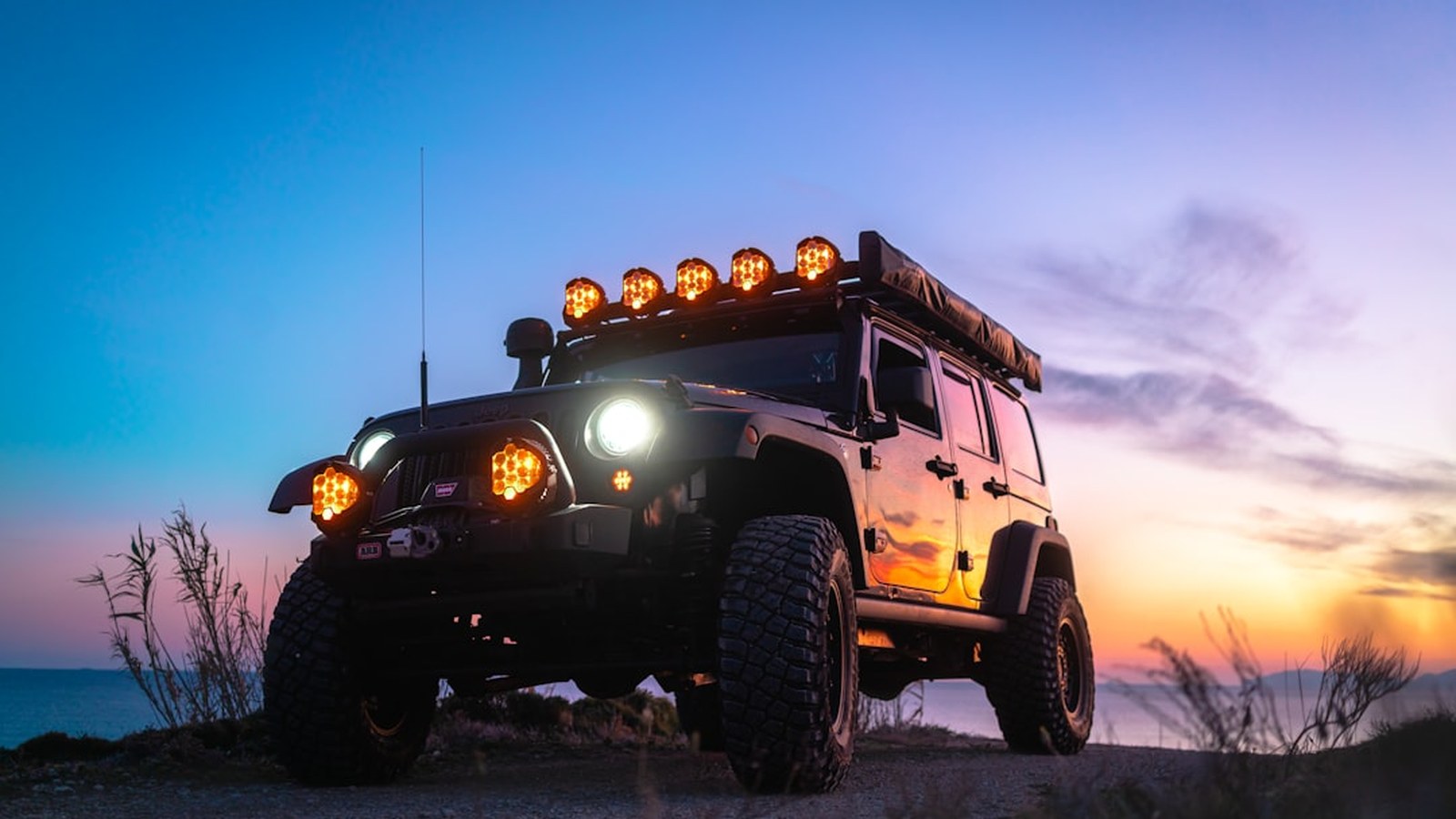 Photo: Thomas Tucker / Unsplash
A Few Real-World Reference Points
To ground all of this, here’s roughly where a few well-regarded 10,000-pound options land as of 2026. The Warn VR EVO 10-S sits around $950, with synthetic rope, IP68-rated sealing, and a lifetime mechanical plus seven-year electrical warranty, which is why it’s a common “buy it once” recommendation. The Smittybilt X2O 10K typically comes in a couple hundred dollars cheaper, ships with about 100 feet of synthetic line, and holds its pulling power impressively well on the outer drum layers, which makes it a strong value pick. Warn’s Zeon line is the premium tier above the VR EVO, with upgraded components and a price to match. None of these are the “cheapest winch on the site,” and that’s the point.
Match the pull rating to your loaded weight with that 1.5x cushion, go synthetic with the right hawse fairlead for most use, pick the motor and gearing that fit how hard you’ll work it, insist on real waterproofing and a warranty that means something, and skip the bargain unit that only exists to look capable in the parking lot. Do that, and the winch on your bumper becomes exactly what it should be: boring, dependable, and there the day the trail decides to keep you.
Hero photo: Chris Cordes / Unsplash