
That “moderate” trail just ate a stock 4Runner. Nobody warned the guy behind the wheel, because he thought a rating was a rating. It is not. The word “moderate” means one thing to the Forest Service, something else to a rock-crawling club in Moab, and something else again to the buddy who told you the trail was “totally doable, bro.”
Trail difficulty ratings are the closest thing off-roading has to a universal language. Learn to read them properly and you will know before you leave the driveway whether you are in for a scenic dirt cruise or a day of stacking rocks and praying your rockers survive. Read them wrong and you find out the hard way, usually with a group of strangers watching you high-center on a ledge you had no business attempting.
Here is how the systems actually work, what the words really mean, and how to match a rating to your rig and your skill instead of your ego.
Two Systems, Not One
There are two main rating systems in the United States, and the first mistake most people make is assuming there is only one.
The first is the color and symbol system, used by the U.S. Forest Service (USFS), the Bureau of Land Management (BLM), and most state OHV programs. It borrows its shapes straight from the ski world: a green circle, a blue square, and a black diamond. If you have ever read a ski map, you already know the vibe.
The second is the numeric system, a 1 to 10 scale used mostly by the rock-crawling crowd. Groups like Jeep Jamboree USA and the Red Rock 4-Wheelers, the folks behind Moab’s Easter Jeep Safari, lean on this one because a green-blue-black scale is far too blunt for terrain where the difference between a 7 and an 8 is whether you break something.
The trap is treating the two as interchangeable. A “black diamond” and a numeric “10” are not the same conversation. One is a broad public-land category. The other is a precise warning that vehicle damage is likely. Know which system you are looking at before you read anything into it.
The Color and Symbol System
This is the one you will see on a wooden sign at the trailhead, usually next to the parking area, with a little OHV icon and a colored shape. The Forest Service language is remarkably specific, so here is what each shape actually promises.
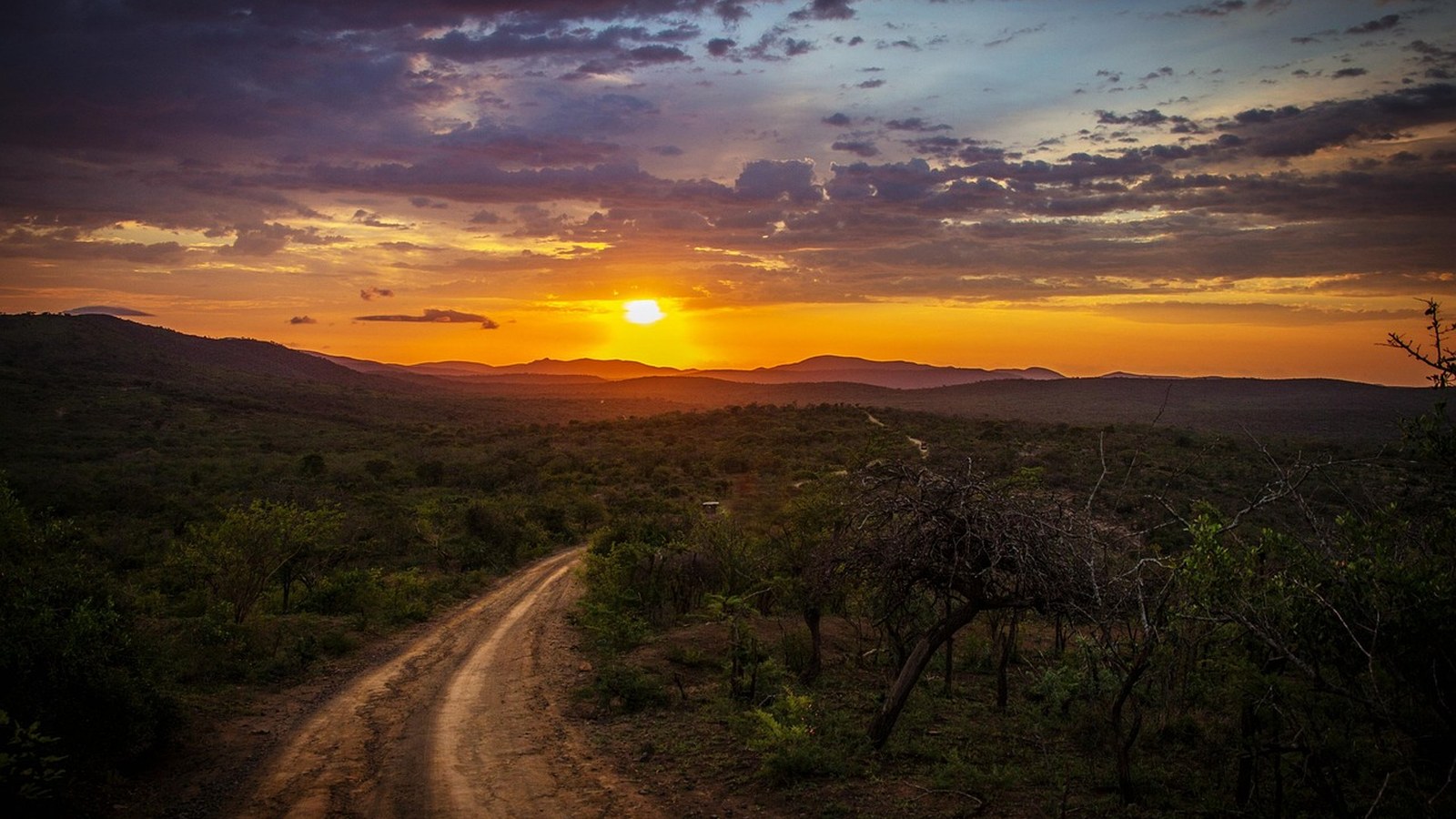
Green Circle: Easiest
Green trails are gravel or dirt routes that are relatively flat and wide, usually wide enough for a full-size vehicle to pass safely. Expect gentle curves, shallow stream crossings, and minor wheel ruts. They can be dusty, but nothing rocky or rooted should stick up more than about three inches. This is the “any stock 4x4 or high-clearance SUV can do this” tier. Fire roads, scenic backcountry drives, the stuff you take your parents on.
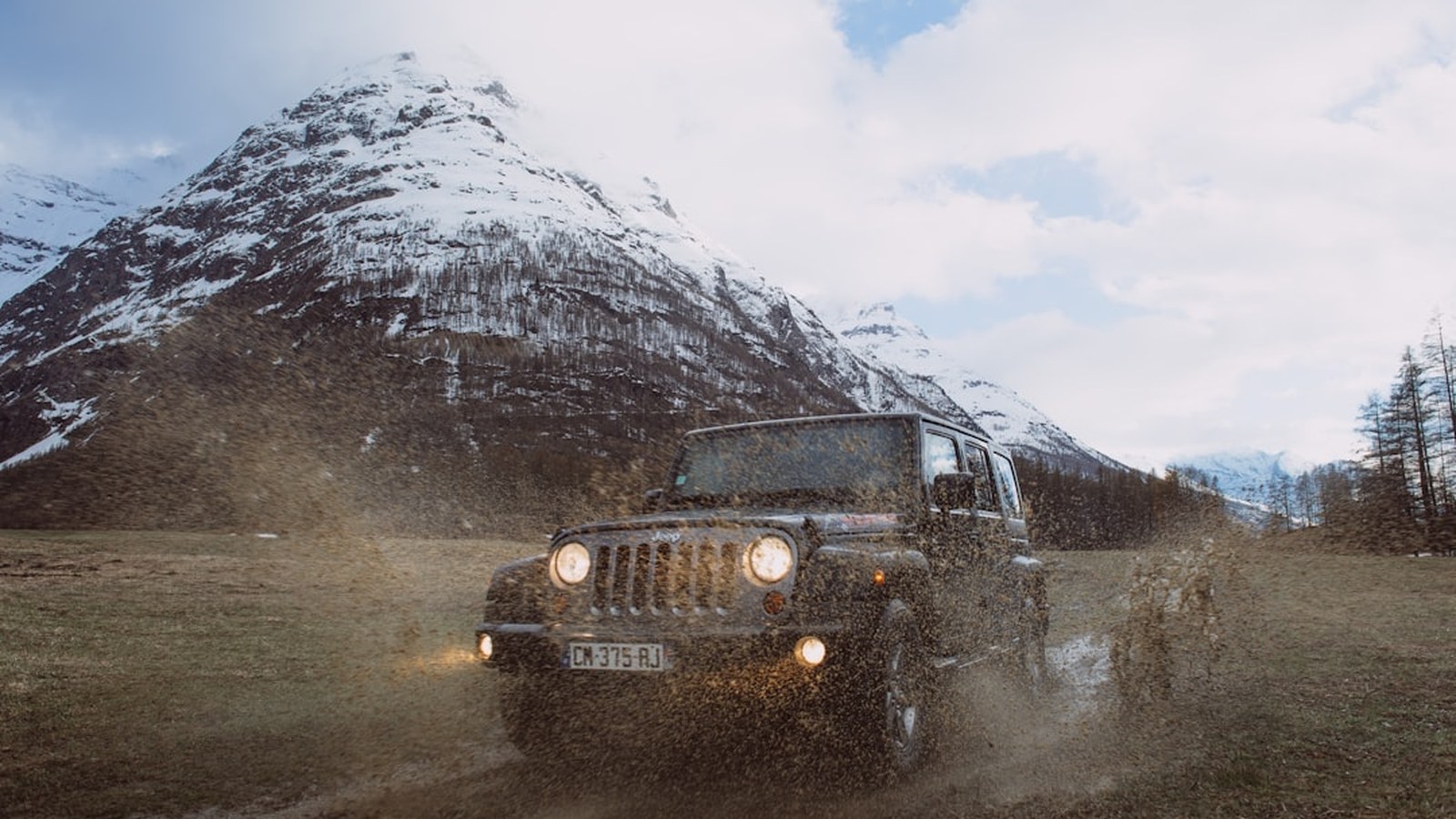 Photo: Philippe Toupet / Unsplash
Blue Square: More Difficult
Blue is where “moderate” lives, and it is a wide, sneaky band. Surfaces get looser: gravel, sand, rock, or slickrock. You will hit narrower sections, blind turns, steeper roller-coaster grades, minor drop-offs, and frequent changes in surface. The Forest Service is blunt about it: there are occasional obstacles that may strike the frame of your vehicle. That is the line that catches people. A stock rig with all-terrain tires can usually handle blue, but “usually” is doing a lot of work in that sentence.
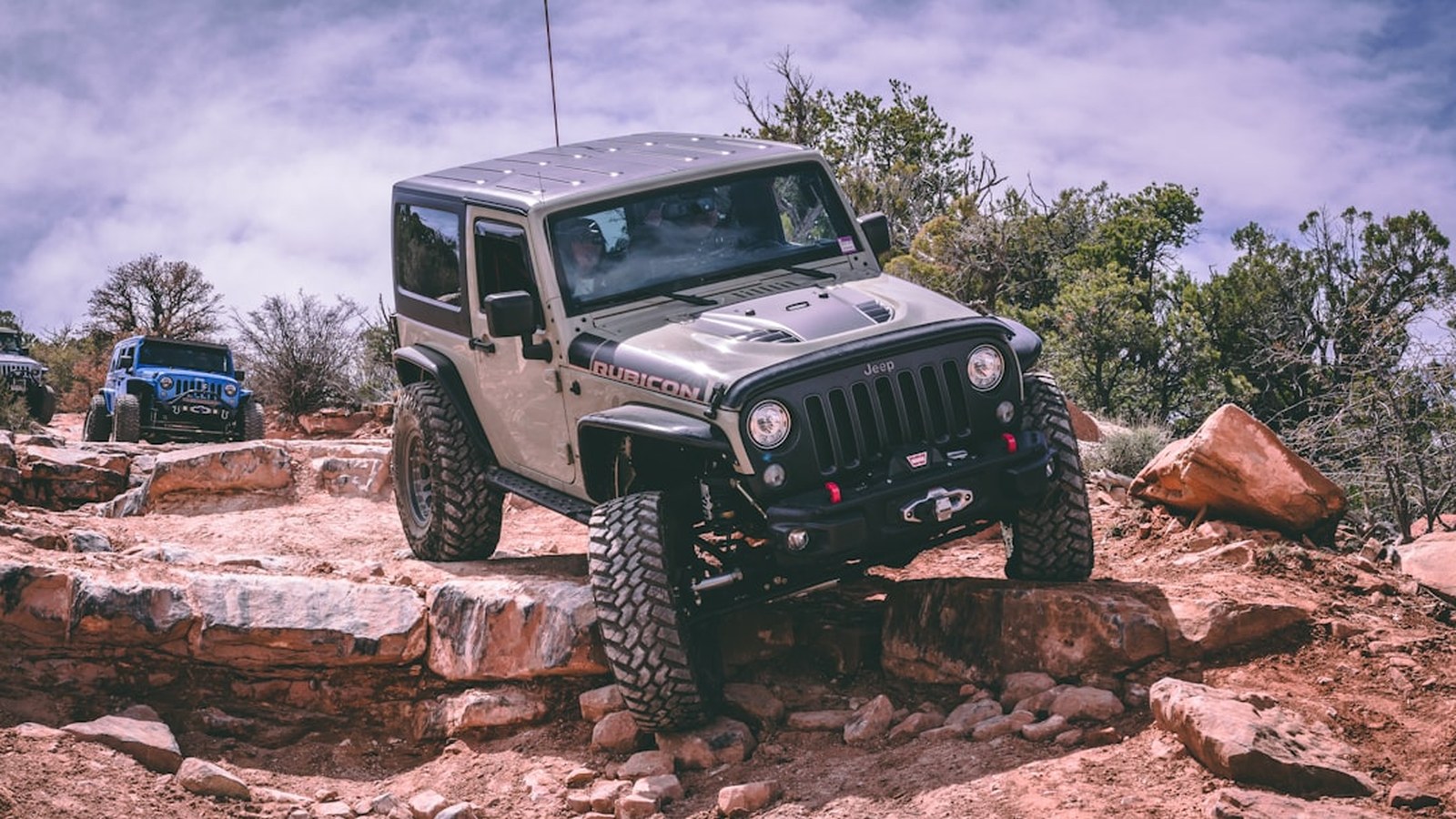 Photo: cody lannom / Unsplash
Black Diamond: Most Difficult
Black diamond trails are rocky, with sharp turns, switchbacks, steep grades, narrow passages, low overhangs, ledges, and large rocks. They get slippery and muddy when wet and often have real exposure, meaning drop-offs next to the tires. There is a genuine risk of striking your frame or high-centering. This tier is for high-clearance, purpose-built off-road vehicles, not a soft-roader with a roof rack.
The Red or Double-Black: Extreme
Some agencies, especially in California, add a red diamond or double-black diamond for the truly extreme stuff: severe grades, big drop-offs, deep sand, slick rock ledges, and off-camber switchbacks. If you see red, assume a built 4x4 with lockers and armor is the entry fee, not the upgrade.
The Numeric 1 to 10 System
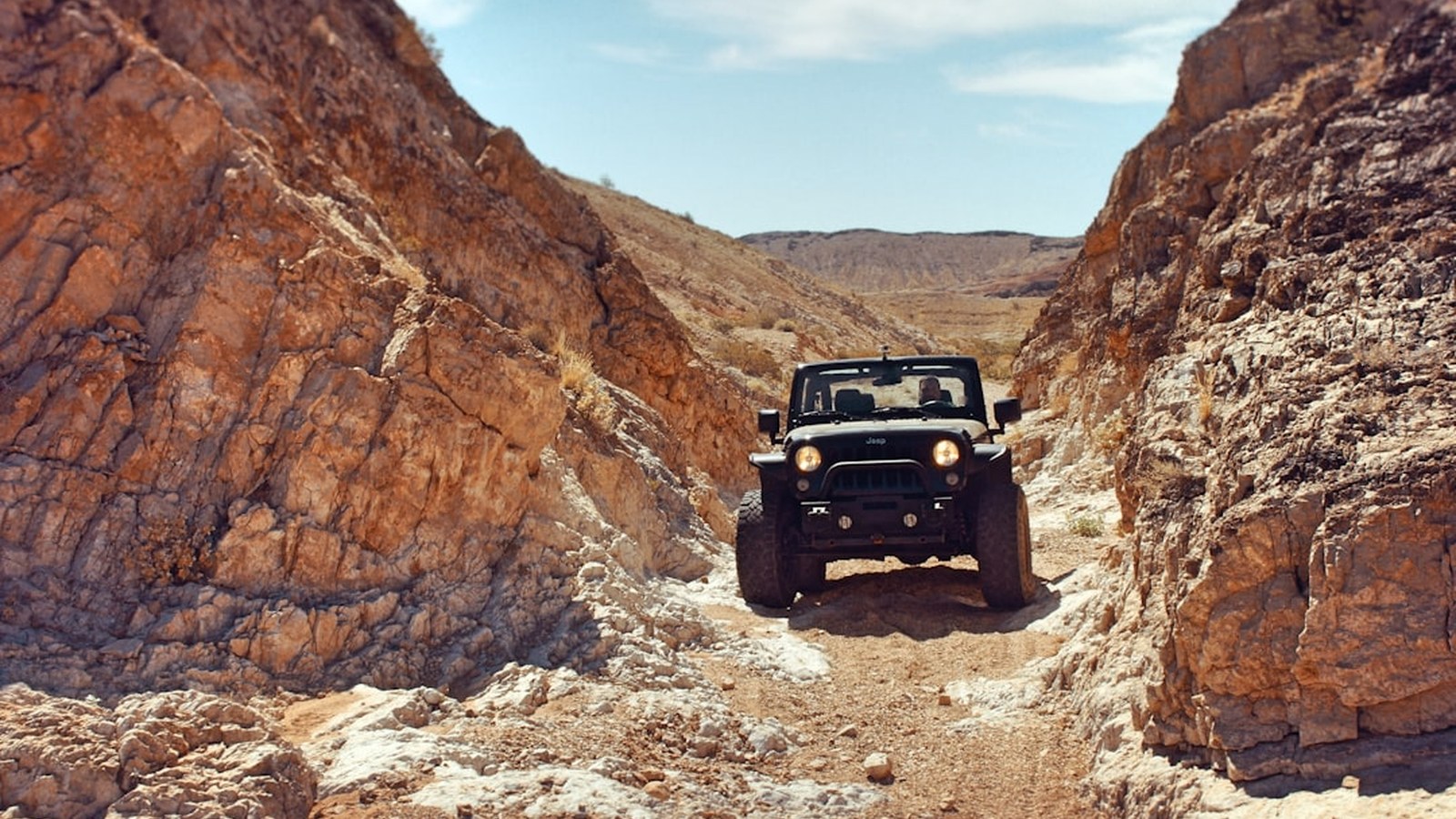 Photo: Nicolas Cool / Unsplash
When a color scale is not precise enough, the numeric system takes over. It rates a trail from 1 (easy) to 10 (extreme) and, critically, it assumes a full-size 4x4 in dry conditions. Rain can bump any trail up a point or two. Here is the honest breakdown, built from the onX Offroad and Jeep Jamboree scales.
1 to 2 (Easy): Maintained dirt and gravel roads. Mild ruts, washboard, small rocks, shallow water. Stock 4x4s and capable SUVs are fine. Think pavement, minus the pavement.
3 to 4 (Moderate): Uneven, rutted trail with loose rock, sand, and washes. Water crossings up to a foot, mud holes, ledges and obstacles up to 12 to 18 inches. Stock 4x4s on all-terrains still pass, but by 4 you want skid plates and real ground clearance. This is where the “moderate” 4Runner stories start.
5 to 6 (Moderate to hard): Rocky, rutted, off-camber. Obstacles two to three feet tall, deeper water crossings, mud. Lifts and lockers stop being nice-to-have and start being the difference between driving out and getting winched out. Some Jeep models are more prone to damage at 5 and up.
7 to 8 (Difficult): Deep holes and rocks that can exceed axle height. Ledges up to five or six feet, near-vertical grades over a story tall. Both onX and Jeep Jamboree say the same thing here: vehicle damage is possible, getting stuck is likely. Lockers, a lift, armor, and a spotter are the baseline. The famous Rubicon lives in this territory, and even factory Rubicon rocker guards are considered “barely sufficient” by people who run it.
9 to 10 (Extreme): The deep end. Ledges up to eight feet, grades over 18 feet, and the flat statement that vehicle damage is likely, not possible. A 10 is the Rubicon-tier, purpose-built-rig, know-exactly-what-you-are-doing category. Jeep Jamboree specifically says not to bring a Compass, Liberty, or Grand Cherokee here.
Why “Moderate” Betrays People
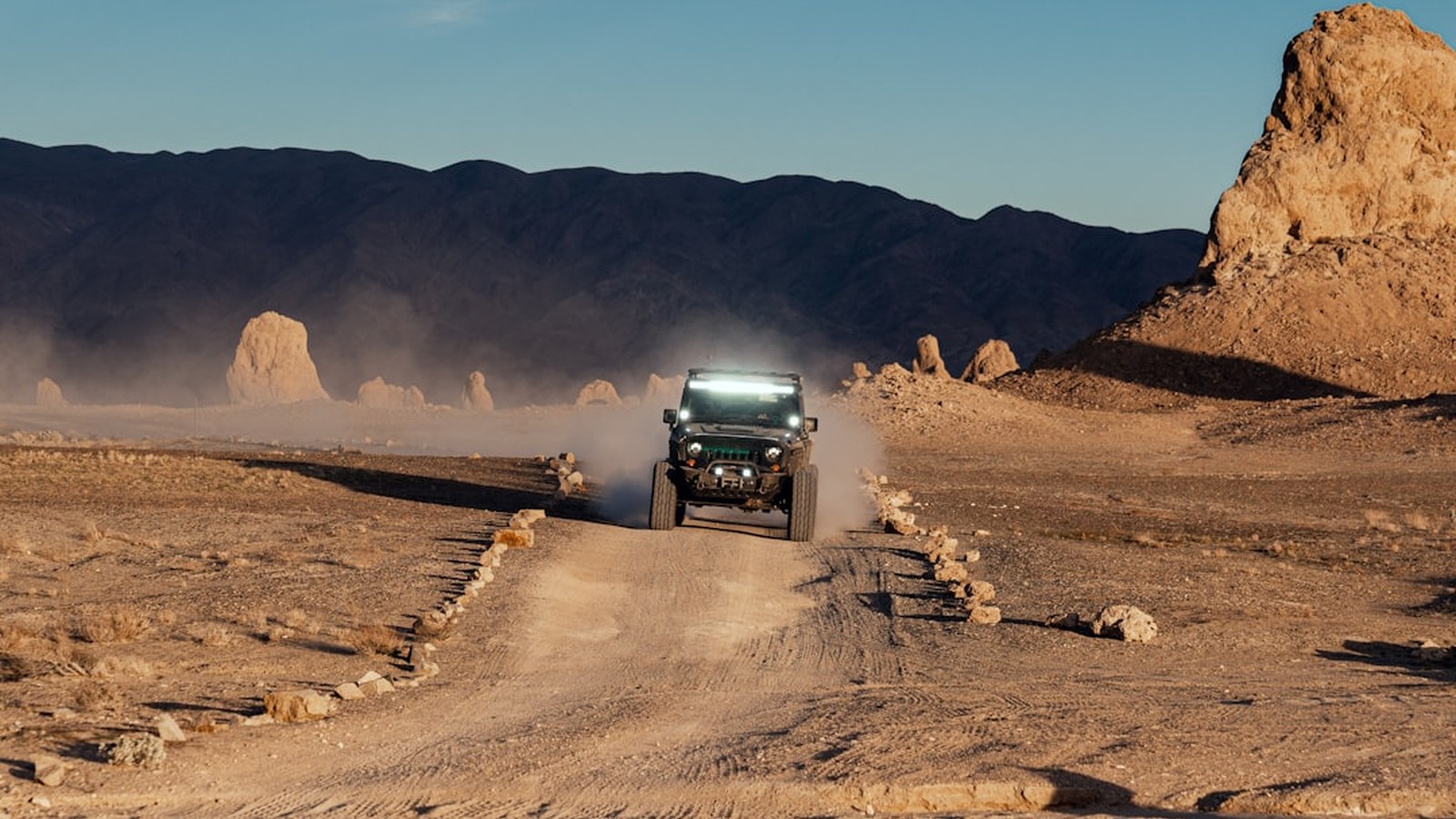 Photo: Jeremy Bishop / Unsplash
Notice how much real estate “moderate” covers. On the color scale it is a single blue square. On the numeric scale it stretches from a mellow 3 all the way to a genuinely spicy 6. That is the gap the stock 4Runner fell into. Its driver read “moderate,” pictured a graded dirt road, and drove into a rutted, off-camber section with two-foot ledges.
The word is not lying to you. It is just averaging. A rating describes the whole trail, not the one obstacle that will ruin your day, and it assumes dry conditions and a reasonably capable vehicle. Add rain, add a bald set of highway tires, add a driver who has never used 4-LO, and that blue square behaves like a black diamond.
How to Actually Use a Rating
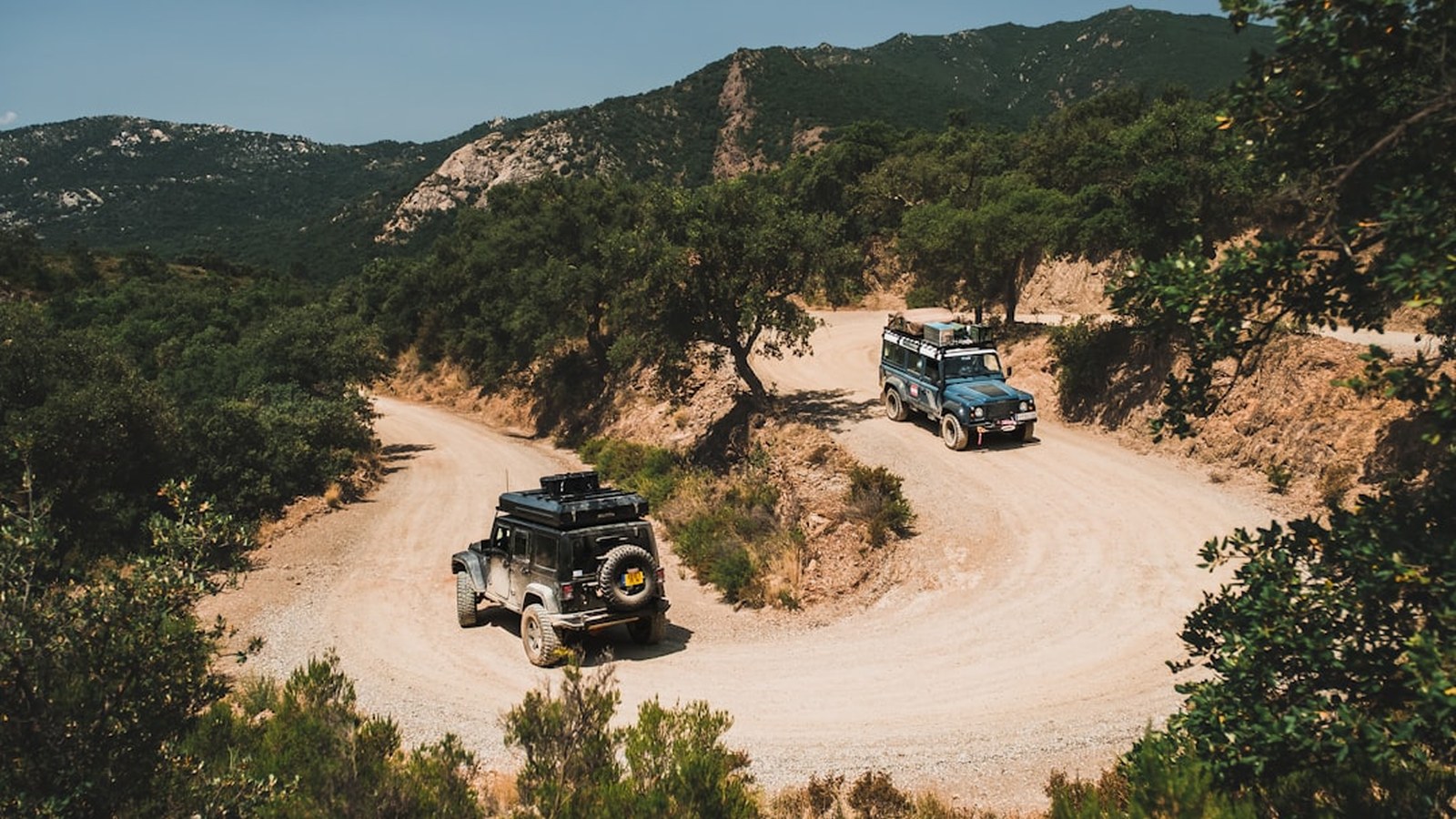 Photo: Thomas Tucker / Unsplash
Ratings are a starting point, not a guarantee. Here is how to close the gap between the sign and reality.
Match the rating to your rig honestly. Stock SUV? Live on green and easy blue. Stock 4x4 with all-terrains and skids? Blue and 4-ish is your ceiling until you learn the vehicle. Lift, lockers, and armor open the door to black and 6-plus, but hardware does not replace skill.
Bump it up for weather. Every serious source says rain raises the rating a point or two. Snow, ice, and runoff do the same. A 4 in July can be a 6 in a thunderstorm.
Read the description, not just the symbol. A symbol is a headline. The trail description, recent user reports, and photos are the story. Apps like onX Offroad pair the rating with obstacle notes, seasonal closures, and community photos. Look at them before you commit.
Never run a hard trail alone or first. Black diamond and 7-plus trails assume a group, a spotter, and recovery gear. If it is your first time on a route, run it with people who know it. Pride is the cheapest thing you will spend out there, so spend it early.
When in doubt, walk it. Park, get out, and look at the obstacle on foot. Thirty seconds of scouting has saved more oil pans than any lift kit ever sold.
Read the Rating, Respect the Trail
The systems are not complicated once you know there are two of them and that “moderate” is a range, not a promise. Green means relax. Blue means pay attention. Black means bring the build and the buddies. And a numeric 7 or higher means someone is probably getting winched today, so make sure it is not you.
Read the rating before it reads you. Then air down, pick your line, and go have the day the sign was trying to warn you about.
Hero photo: Thomas Tucker / Unsplash