

Watch a stock truck try to climb a ledge and you have probably seen it: one tire spins uselessly in the air, the opposite tire sits planted on solid rock doing nothing, and the rig just sits there. That is an open differential doing exactly what it was engineered to do, which is the wrong thing at the wrong moment. Fixing it is the single biggest traction upgrade most people can make, and it comes down to two paths: a limited-slip differential or a locker.
The debate never really dies around a campfire, and for good reason. These are two genuinely different tools that solve the same problem in different ways, with different costs, different driving manners, and different failure modes. Pick the right one for how you actually wheel and your rig transforms. Pick the wrong one and you either spent too much or still get stuck. Here is how to think it through.
First, Why Your Open Diff Fails You
A differential exists so your two wheels on an axle can turn at different speeds. You need that. In a corner the outside tire travels farther than the inside tire, so without a differential the tires would scrub, bind, and chew themselves up. On pavement, open diffs are smooth, quiet, and durable. That is why basically every factory axle comes with one.
The catch is how an open differential splits power. It always sends equal torque to both wheels, which sounds fair until you realize torque follows the path of least resistance. The moment one tire loses grip, whether it lifts off a rock or drops into mud, the resistance on that side collapses. All the available torque flows to the spinning tire and the planted tire gets almost nothing. One tire spinning, one tire parked. The vehicle goes nowhere.
Both of the upgrades below attack that single flaw. They just do it with very different philosophies.
 Photo: Greg Rosenke / Unsplash
How a Limited-Slip Differential Works
A limited-slip differential, or LSD, is the subtle option. It still lets your wheels turn at different speeds like an open diff, so cornering stays normal. But it limits how much speed difference it tolerates before it starts shoving torque back toward the wheel that still has grip. “Limited slip” is a literal description: it permits some slip, then clamps down.
There are two common ways it does that job:
Clutch-type LSDs use a stack of friction clutch plates inside the differential. Spring pressure and torque loading squeeze those clutches together, which couples the two sides and transfers power to the tire with traction. This is the classic “posi” setup a lot of people grew up hearing about. The downside is real: those clutches wear. Some factory clutch-type units lose their bite in the 15,000 to 30,000 mile range, and many need a specific friction-modifier additive in the gear oil to behave. Most can be rebuilt, but it is a maintenance item.
Gear-type (helical) LSDs, like the well-known Eaton Truetrac, use meshing gears instead of clutches to create a torque bias. There are no clutches to wear out and no special oil additive required, which makes them a favorite for people who want a set-it-and-forget-it unit on both the street and the trail. The tradeoff is that a gear-type LSD needs at least some grip on both tires to work. Lift one tire fully off the ground and a helical unit loses much of its advantage, because it still cannot send meaningful torque to a wheel that has no resistance to pull against.
The common thread across every LSD: it is a bias device, not a lock. It will never guarantee 100 percent of the torque to one tire. It improves a bad situation rather than eliminating it.
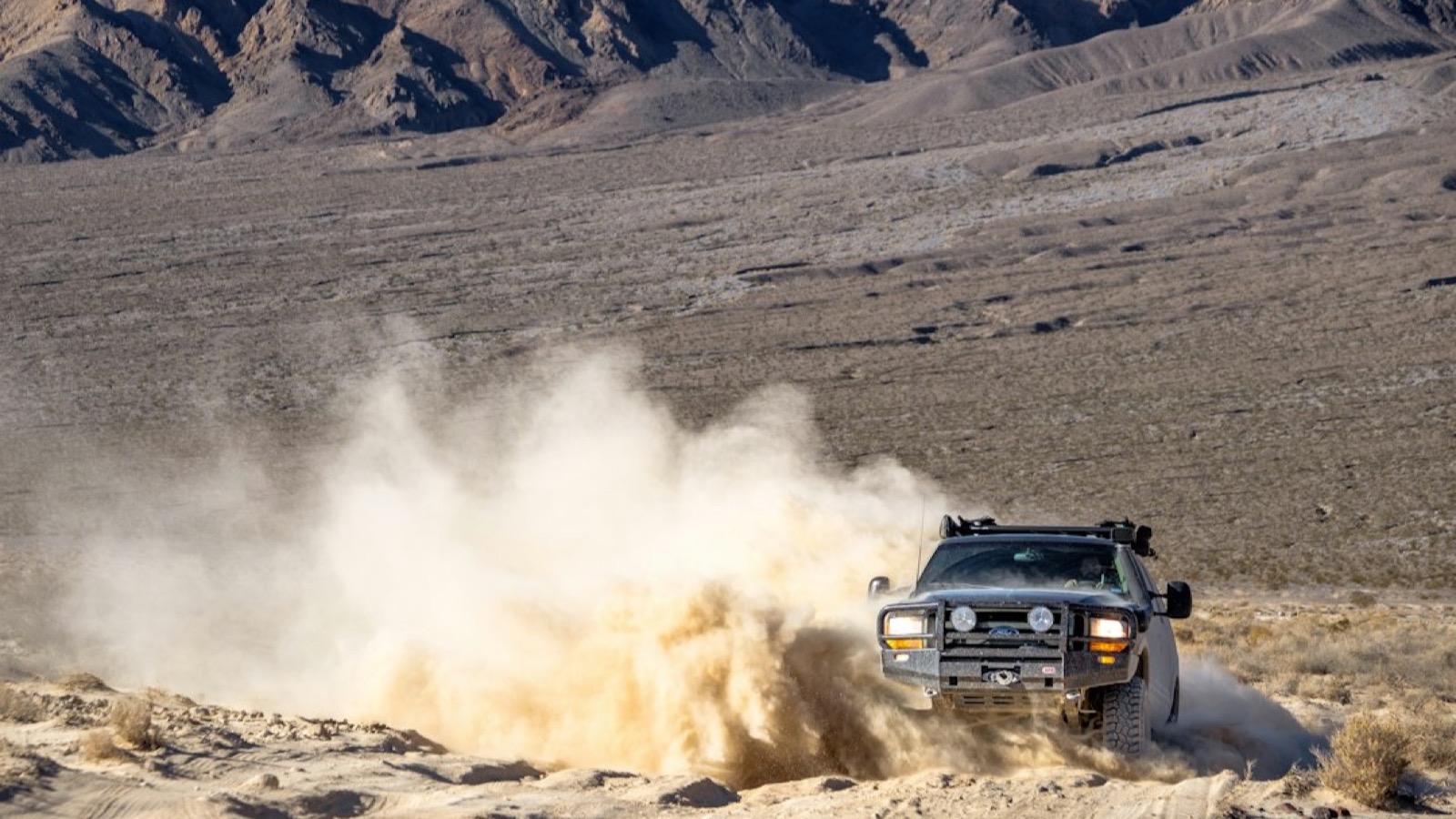 Photo: Chris Cordes / Unsplash
How a Locker Works
A locker takes the direct approach. When engaged, it mechanically ties both wheels on the axle together so they turn at exactly the same speed, as if they were on one solid shaft. Now it does not matter that one tire is airborne. The planted tire gets full power because the two are physically locked. This is the traction difference you feel most dramatically on an obstacle that defeated your open diff a minute earlier.
That brute-force lock is also why lockers come in different flavors, because forcing both wheels to the same speed is fantastic off-road and awkward on pavement in a corner.
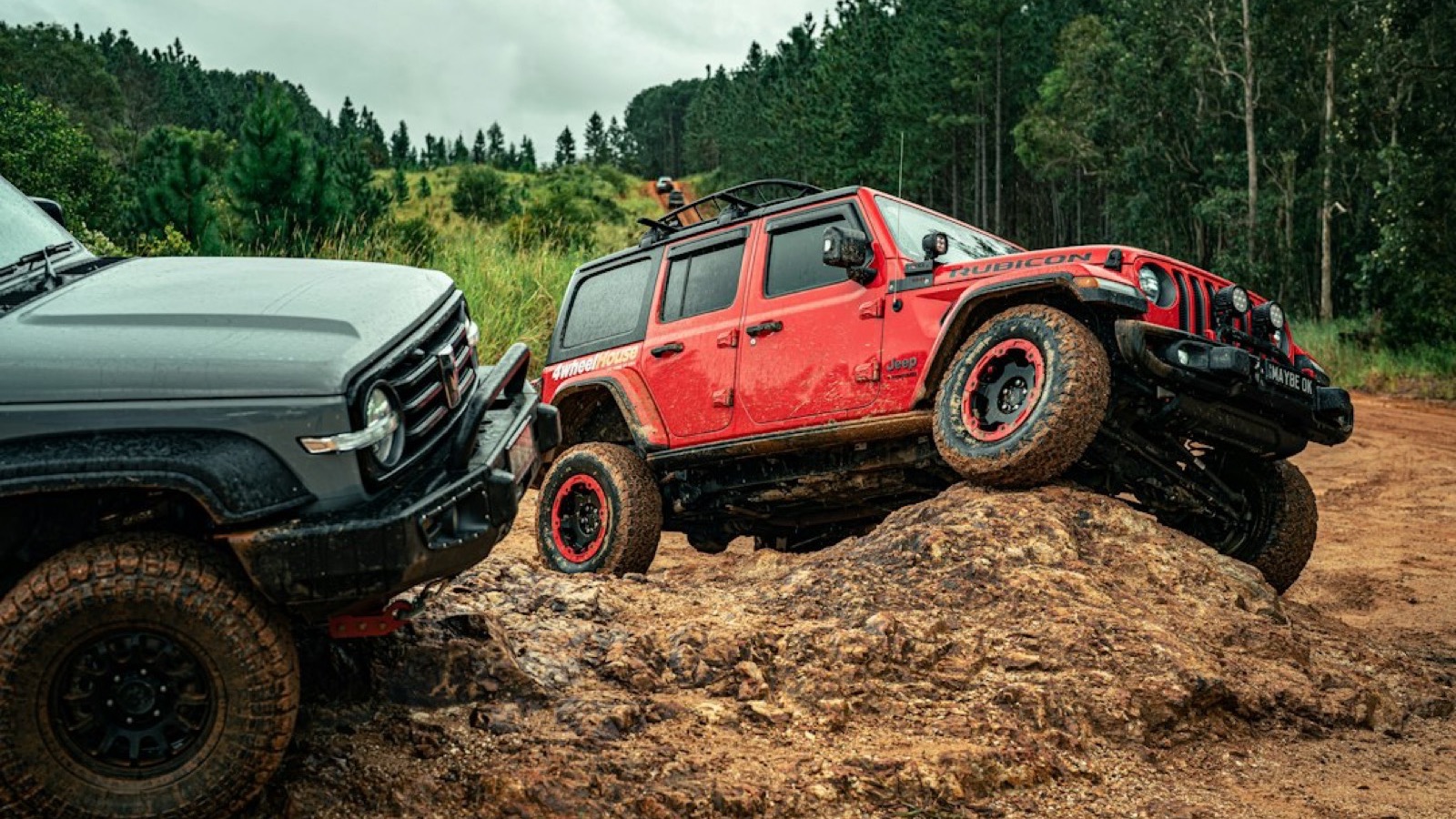 Photo: 4Wheelhouse / Unsplash
Selectable Lockers
A selectable locker stays open (or acts like a normal diff) until you flip a switch or pull a lever, then it locks solid on command. You get open-diff street manners when you want them and a full lock when you need it. Engagement can be:
- Air (pneumatic), with the ARB Air Locker being the industry benchmark. Strong and proven, but it relies on an onboard air system and air lines, which are the parts people most often report fussing with.
- Electric, like the Eaton ELocker, triggered by a 12V signal. Clean installs, quick engagement. Note that some electric units unlock and re-lock when you shift between forward and reverse, which matters if you like to rock a stuck rig back and forth.
- Cable, a purely mechanical pull. Simple and reliable with no air or electrical dependency.
Selectable lockers are the gold standard for a rig that lives on the street during the week and crawls hard on the weekend, because you decide exactly when the axle locks.
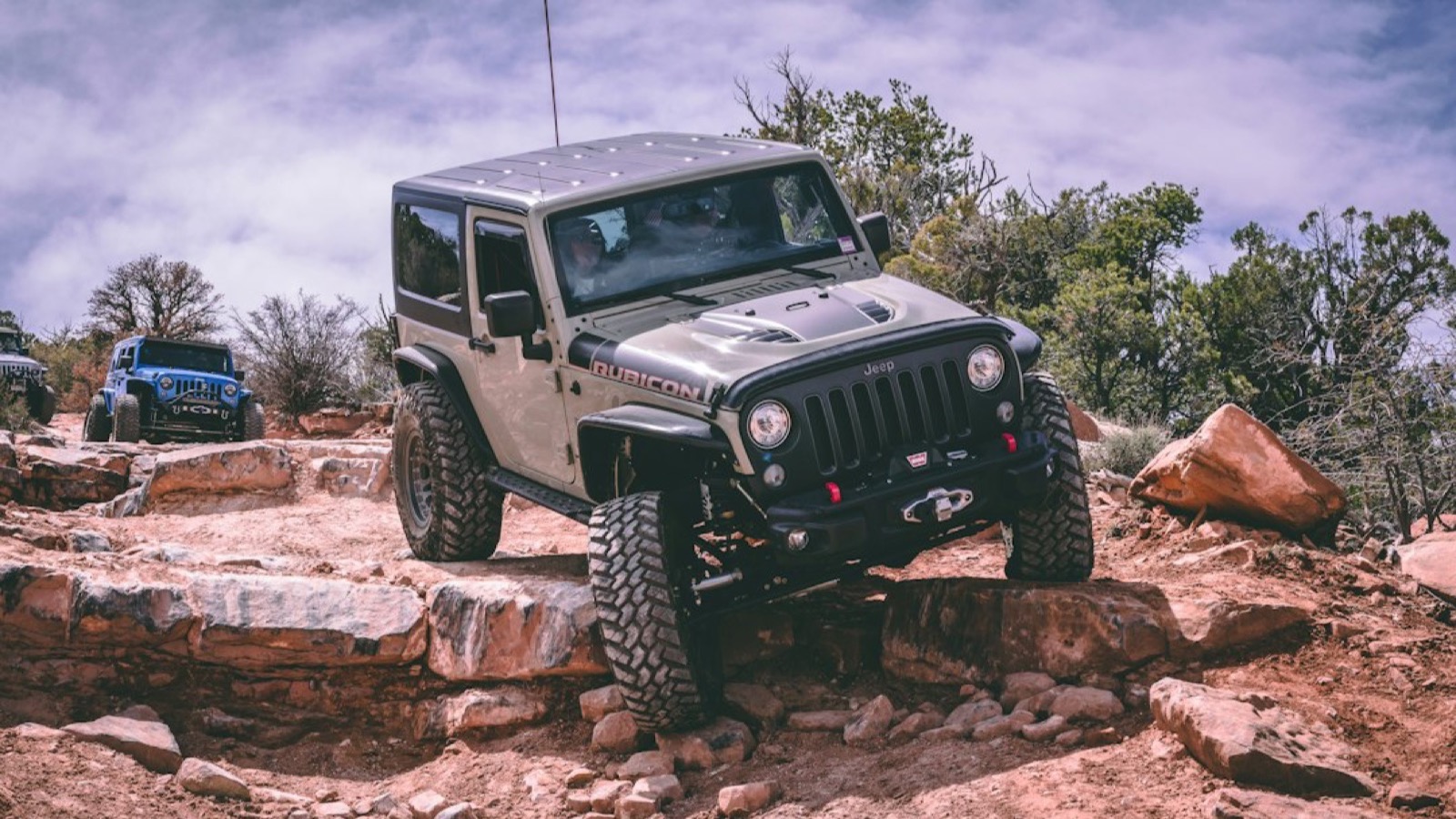 Photo: Cody Lannom / Unsplash
Automatic Lockers
An automatic locker locks itself under power and unlocks when a wheel needs to overrun, such as the outside tire in a corner. The classic example is the Detroit Locker (also called the Detroit No-Spin), which replaces the entire carrier. There is also the budget-friendly “lunchbox locker,” a drop-in unit that replaces just the spider gears inside your existing open carrier.
Automatic lockers are simple, strong, and always ready. You never have to remember to flip a switch. The tradeoff is driving character: they can bang, click, or chirp tires during tight turns on pavement, and they change how the vehicle behaves on slick roads. Many hardcore wheelers love a Detroit precisely because it is always working and has very few parts to fail. Daily drivers often find the on-road manners more than they want to live with.
Spools (The Honorable Mention)
A spool permanently locks the axle, period, with no unlocking ever. A mini-spool drops into a stock carrier cheaply; a full spool is a solid replacement. Both send 100 percent torque to both tires all the time. Spools belong on dedicated trail rigs and competition buggies, not street-driven trucks, and they should basically never go in a front axle because they wreck your turning radius and steering effort. Mention them so you know what they are, then move on unless your rig never sees pavement.
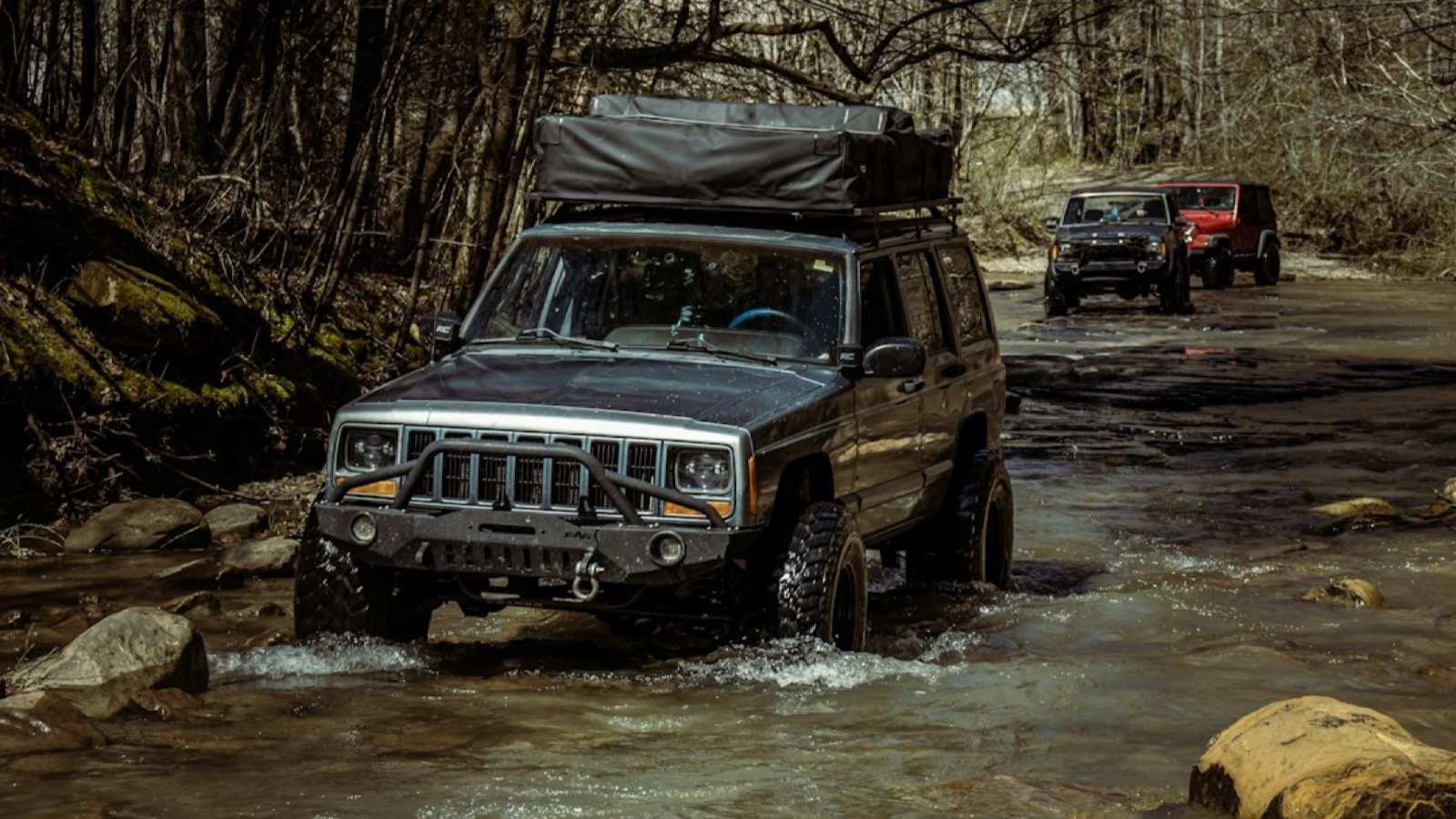 Photo: Brice Cooper / Unsplash
The Real-World Traction Difference
Here is the honest hierarchy. For raw traction on a hard obstacle, a locked axle beats any limited-slip, full stop. When you are crawling a rock garden, climbing a wet ledge, or picking through an off-camber section where tires lift, the mechanical lock is what gets you through. An LSD helps, but it cannot match a wheel that is physically forced to turn.
Where the LSD shines is everywhere short of that extreme. On dirt roads, sand, snow, washboard, light trails, and spirited pavement driving, a good limited-slip quietly does its job without you ever thinking about it. No noise, no switch, no funny cornering behavior. For a lot of overlanders and weekend trail drivers who are not trying to conquer named rock obstacles, an LSD is genuinely enough.
A common and smart build is a locker in the rear and a limited-slip in the front, or a selectable locker rear with the front left open or limited-slip. You get a serious traction jump on the drive axle that matters most for climbing, without the full-time steering quirks a front locker can introduce.
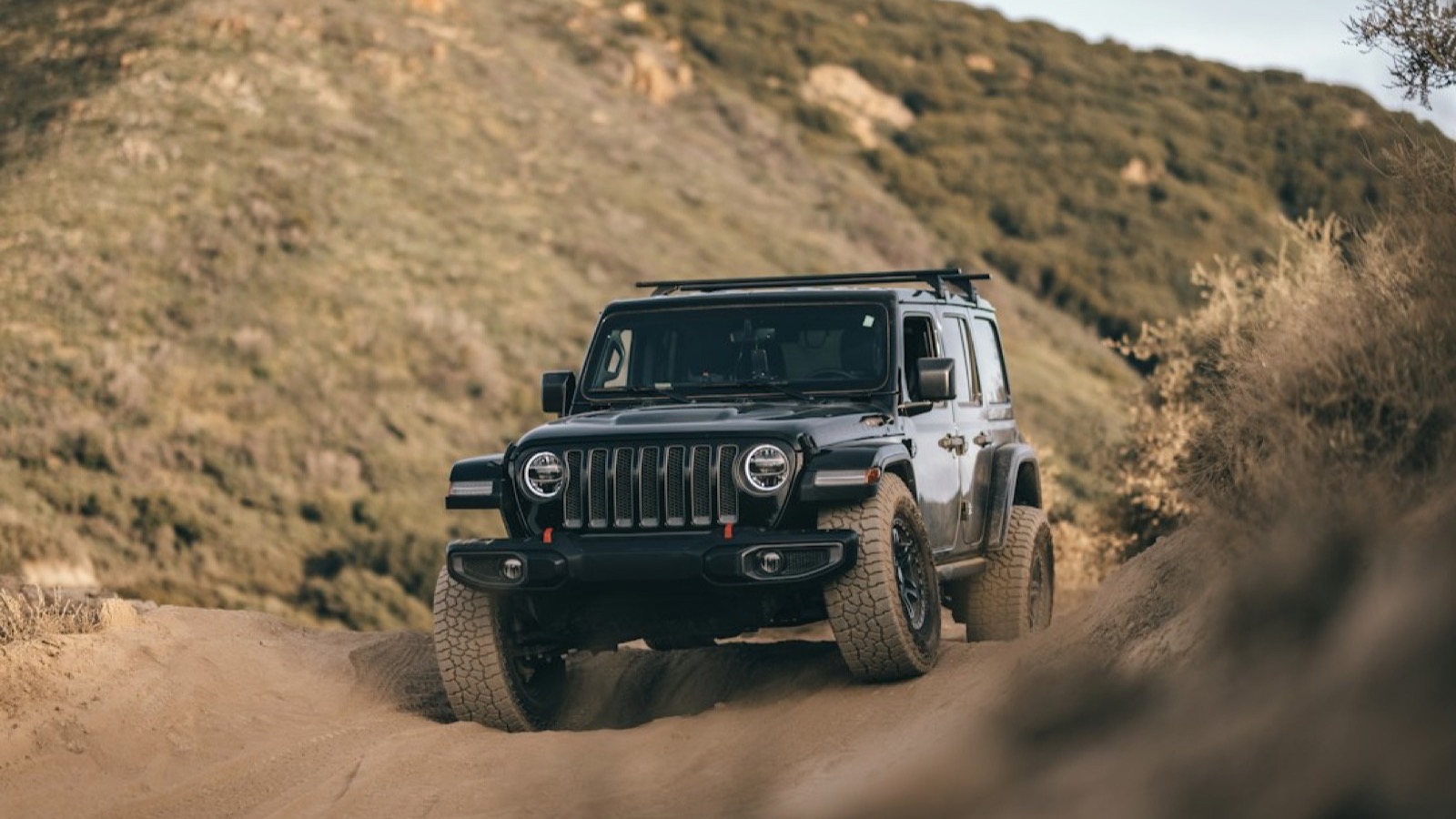 Photo: Josh Duke / Unsplash
Cost and Installation Reality
Prices move around, so treat these as ballpark ranges rather than quotes, and always add professional installation unless you genuinely know how to set up a differential.
- Lunchbox automatic locker: the budget entry, often a few hundred dollars for the part, and one of the easier installs because it drops into the existing carrier without resetting ring-and-pinion backlash.
- Gear-type LSD (e.g. Truetrac): typically mid-range on the part, a popular all-around value.
- Automatic carrier locker (e.g. Detroit): mid to upper range on the part, replaces the whole carrier.
- Selectable locker (ARB air, Eaton ELocker): the most expensive path once you add the unit plus the air compressor and plumbing (for air) or the wiring, relay, and switch (for electric).
Installation is where people underestimate the project. Dropping in a lunchbox locker is approachable for a competent home mechanic. But installing a full carrier-replacing locker or a selectable unit usually means pulling the differential, and if you are also regearing, you are into ring-and-pinion setup with proper backlash and pattern work. That is specialized work with specialized tools. A botched diff setup howls, wears, and eventually fails. If you are not fully confident, pay a reputable 4x4 shop. The labor is worth it.
One more install-adjacent note: match the hardware to your axle and spline count, and if you are adding a selectable air locker, plan the onboard air system (which, conveniently, also runs your tire tools at camp).
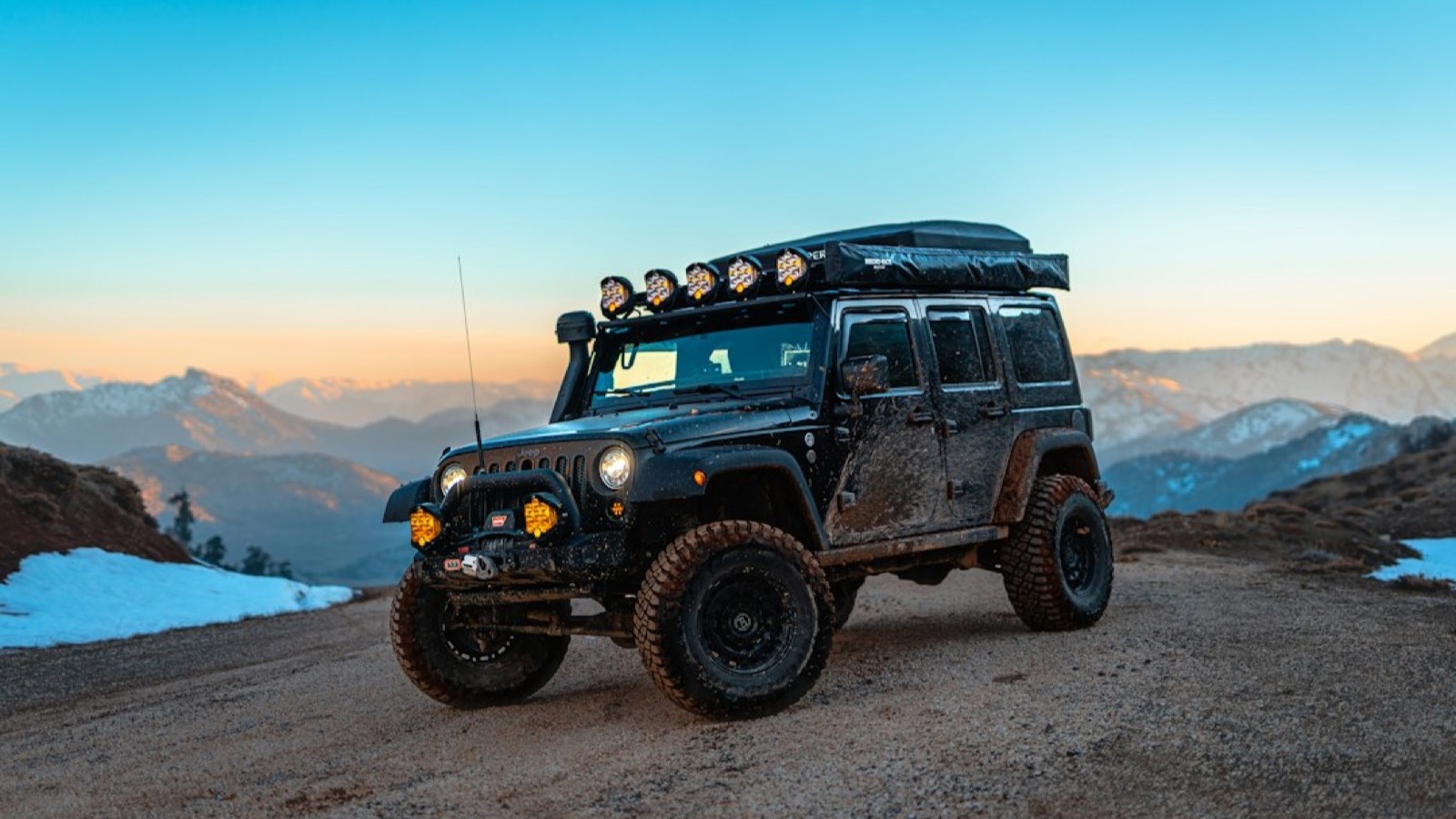 Photo: Thomas Tucker / Unsplash
So Which One Does Your Rig Need?
Strip away the brand loyalty and it comes down to how you actually use the truck.
- Mostly street, occasional dirt roads, light trails, snow, or sand: a limited-slip differential is probably all you need. Gear-type if you want zero maintenance and clean road manners.
- Weekend warrior who tackles moderate trails and the occasional real obstacle, and drives the rig to the trailhead: a selectable locker in the rear is the sweet spot. Open-diff manners during the week, full lock when it counts.
- Hardcore rock crawler or anyone who regularly lifts tires on hard obstacles: lockers, likely front and rear. Automatic if you want it always on and do not mind the on-road character, selectable if you still daily the rig.
- Dedicated trail-only or competition buggy: lockers or even a spool, chosen for strength and simplicity over street comfort.
There is no single right answer, only the right answer for your build and your terrain. Be honest about where you actually wheel, not where you imagine you might someday. A limited-slip you will never outgrow beats a hardcore locker setup that spends its life barking around parking lots. Match the traction to the trail, and your rig will take you places the open-diff crowd only talks about.
Hero photo: Photo: Quilia / Unsplash