
There is nothing quite like rolling out alone. No convoy to wait on, no group text about departure times, no compromise on where you point the hood. You wake up when you want, you camp where you want, and the only voice in the cab is yours. Solo overlanding is the most honest version of this whole thing we do, and it is growing fast.
It is also the version with the least margin for error. When you run with a group and you bury a tire to the frame, somebody hooks up a strap and you are moving again in ten minutes. When you are alone, that same stuck can turn into a very long afternoon, or a very bad night, if you did not prepare for it. The trail does not care that you are by yourself. The good news is that solo travel is completely doable and deeply rewarding, as long as you shift your mindset from “someone will help” to “I am my own recovery team.”
This is the guide I wish someone had handed me before my first real solo run. No fear-mongering, no telling you to stay home. Just the habits, the gear, and the decisions that keep the lone-wolf life sustainable.
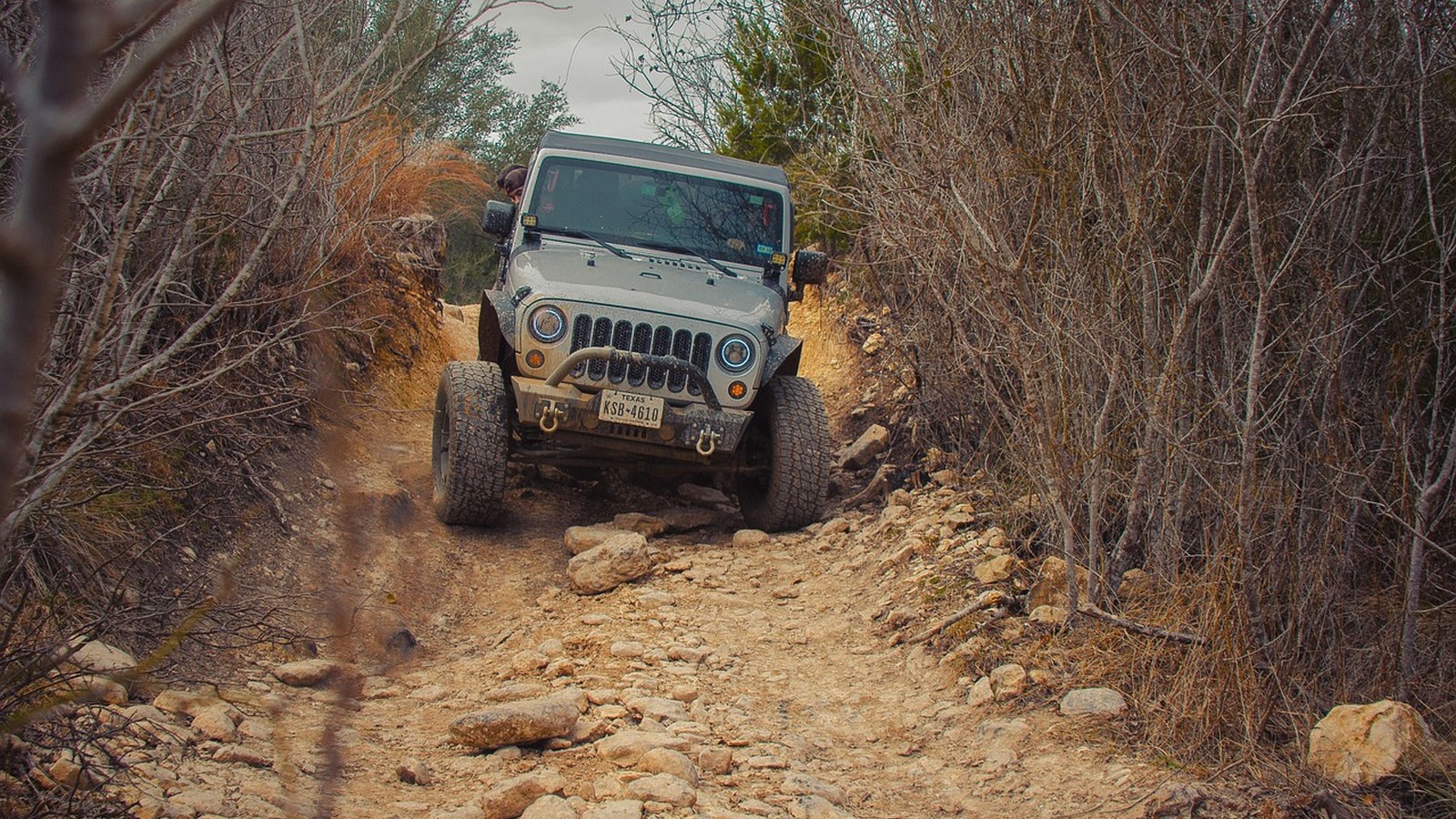 Photo: Pixabay
Change Your Risk Tolerance Before You Change Anything Else
The single biggest safety upgrade for solo travel is not a piece of gear. It is between your ears.
When you have backup, you can take a swing at a nasty obstacle knowing that a winch line or a tug from a buddy is the worst-case cost. Alone, the math is different. Every obstacle you attempt, you have to be able to get yourself back out of, by yourself, with the tools in your rig. That reality should make you more conservative, and there is no shame in that.
If you pull up to a steep, off-camber climb and something in your gut says “I am not sure I can do this,” that is your answer. Walk it first. Scout the line on foot. And if you still are not sure, turn around. A trail you skipped will still be there next month. Search and rescue teams and experienced overlanders say the same thing over and over: when you are alone, avoid the risk you would normally shrug off. Set your boundaries before you are staring up a ledge, because the moment you are committed is the worst time to be making that call.
 Photo: Pixabay
Tell Someone Exactly Where You Are Going
This is the free safety system, and it is the one people skip most.
Before you leave pavement, leave a real trip plan with someone who will actually notice if you go quiet. Not a vague “I’m heading to the mountains this weekend.” Write down the specific trailheads and route, the area you plan to camp, your vehicle description and plate, what recovery and survival gear you are carrying, and, this is the important part, a hard check-in time. Tell them: “If you have not heard from me by 6 PM Sunday, call the county sheriff for that area and share this document.”
Search and rescue teams universally ask for this. A detailed itinerary in the hands of someone back home is often the difference between a rescue that starts Sunday night and one that does not start until someone randomly notices you missing days later. Put it in a shared note or a Google Doc so it is easy to update if your plans change. If you deviate from the plan on the trail and you have signal or a satellite device, send an update. The whole system falls apart if your emergency contact is searching the wrong drainage.
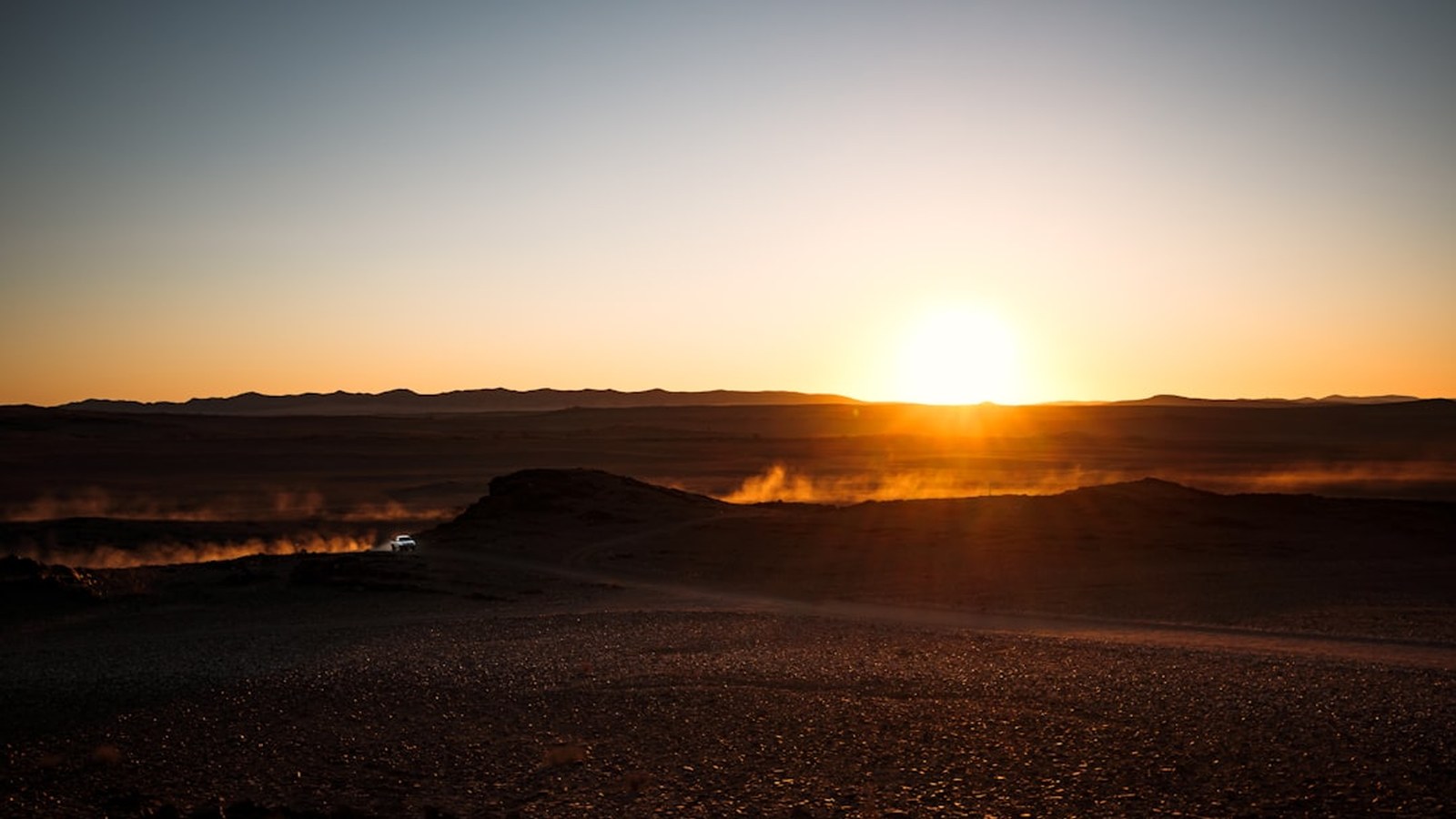 Photo: Rafael Peier / Unsplash
Carry a Way to Call for Help That Does Not Need Cell Service
Your phone is not a safety plan. Real overlanding takes you exactly where the bars disappear, and that is precisely where you are most likely to need help. For solo travel, a dedicated satellite device is not a luxury. It is the piece of kit that turns a survivable emergency into a rescued one.
There are two families of device worth knowing. A satellite messenger like the Garmin inReach line sends your GPS coordinates and an SOS over the Iridium satellite network to Garmin Response, a staffed emergency coordination center that operates around the clock. The huge advantage is two-way texting: when you trigger an SOS, you can actually communicate with the responders, tell them you are injured or just stuck, and get updates on when help is coming. These devices also let you send routine “I’m okay” check-ins to family, which is worth a lot when you travel alone. The trade-off is a subscription.
The other option is a personal locator beacon, or PLB. A PLB transmits a distress signal to the government-run search and rescue satellite system, which routes to authorities who dispatch responders. PLBs are rugged, run on a long-life battery with no subscription, and are dead simple. The catch is that most are one-way: you push the button and you have to trust the signal was received, with no way to text back and forth.
Either one beats nothing by a mile. Whatever you carry, learn how it works before you need it. On a Garmin inReach, hitting SOS starts a loud countdown of roughly 20 seconds before it fires, and it immediately begins tracking your location. That is not something you want to be reading the manual about while the adrenaline is pumping.
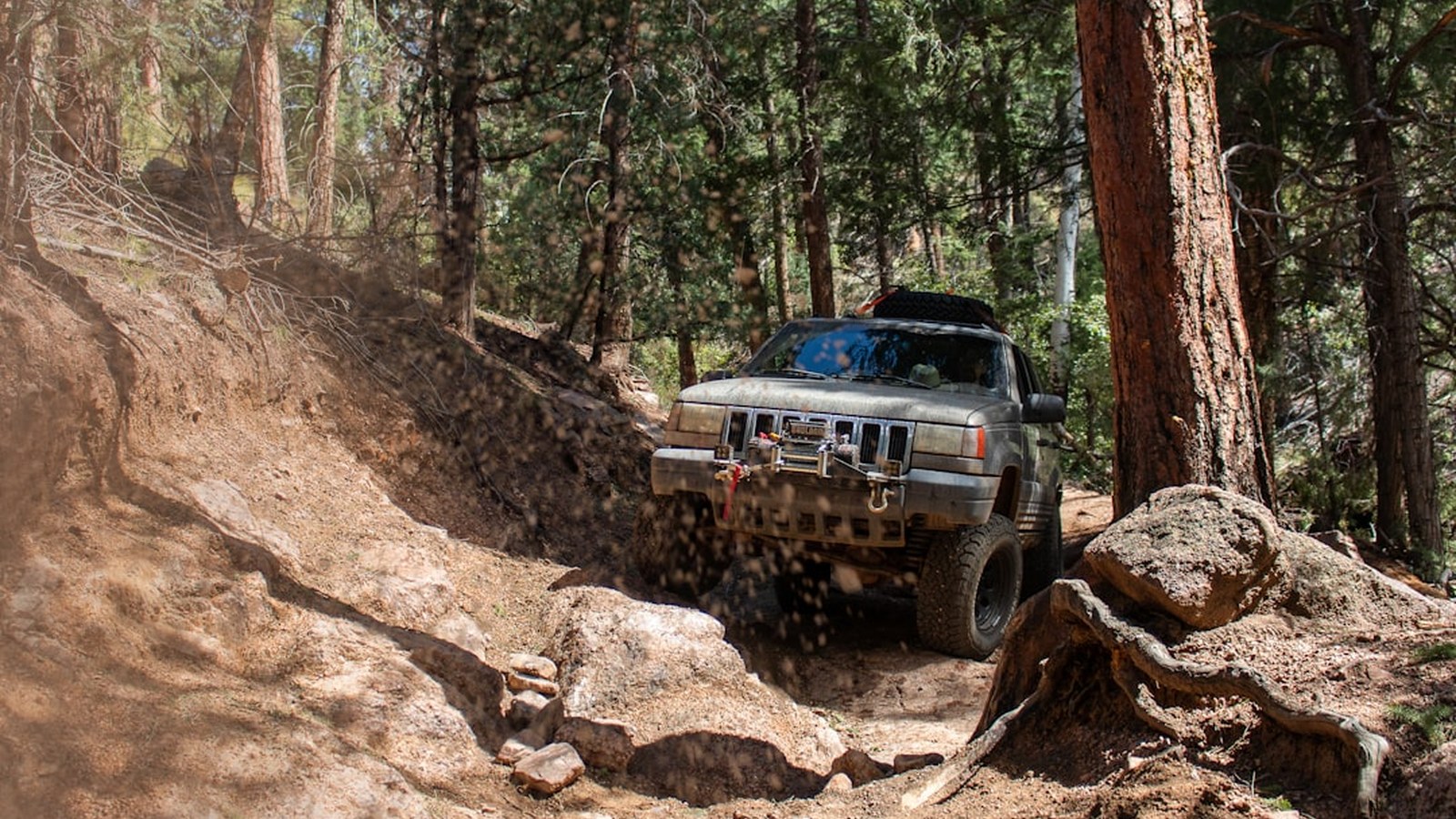 Photo: Jonathan Bottoms / Unsplash
Master Self-Recovery, Because Nobody Else Is Coming
Here is the core skill of solo overlanding: getting yourself unstuck with zero help. When you have a partner rig, half your recovery options involve them. Alone, every one of them is on you, so your kit and your technique both have to be self-sufficient.
Your first move when stuck should always be self-recovery, not a call for help. Most stucks are less dramatic than they feel and come down to losing traction, then losing momentum. Work the problem calmly.
Air down. Dropping tire pressure is the cheapest recovery tool you own. A lower pressure lengthens the tire’s contact patch and floats you over sand, mud, and snow instead of digging in. Do this before you get stuck, not after, and carry a way to air back up before you hit the highway.
Dig and use traction boards. A good folding shovel and a set of traction boards will solve a huge percentage of solo stucks. Clear the sand or mud from in front of the tires, wedge the boards under the drive wheels, then apply gentle, steady throttle. The mistake everyone makes is stabbing the throttle, which spins the wheels and shoots the boards out behind you. Boards are the solo overlander’s best friend because you do not need a spotter or an anchor to use them.
Winch off a solid anchor. A winch is the classic single-vehicle recovery tool because it does not need a second rig. Anchor to a healthy tree or a stout rock, and if you use a tree, always run a tree-saver strap around it rather than choking it with the cable. No tree? A dedicated ground anchor can bite into open desert or sand. Winching is powerful and unforgiving, so take a recovery class before you rely on it, and keep a damper on the line.
Two hard rules regardless of method: use rated recovery points only, never a tow ball or a random bracket, because gear failing under load has killed people. And bring good gloves. A small cut on your hand is a nuisance in town and a real problem when you are forty miles from anywhere and cannot keep a wound clean.
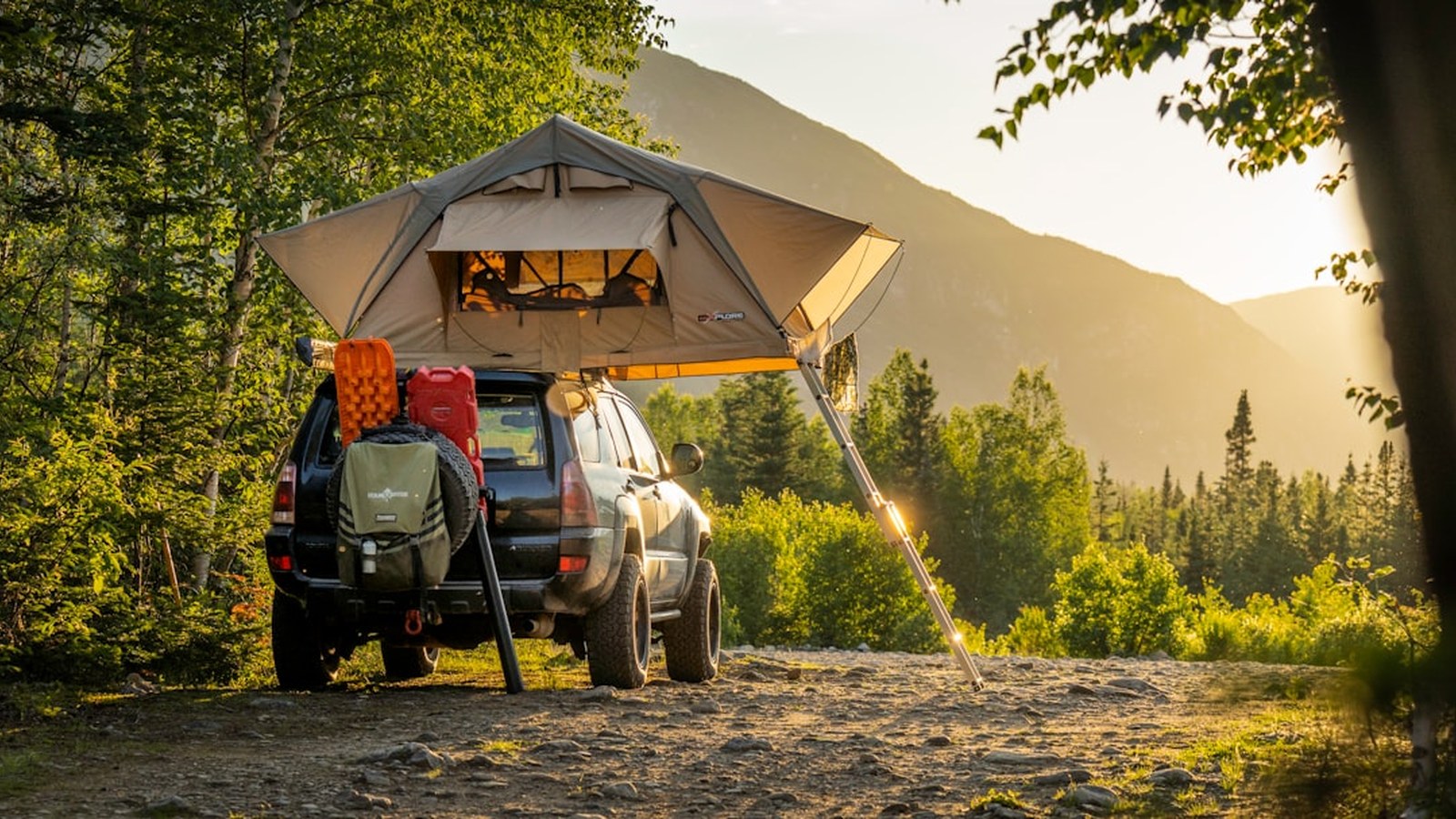 Photo: Alfred Boivin / Unsplash
Pack Like You Are Your Own Rescue
Because you are. Group trips let you distribute gear across rigs; solo, you carry all of it. Build your load-out around being fully self-reliant for longer than you plan to be out.
The non-negotiables: more water than you think you need, because a stuck rig in the heat turns dangerous fast. A real first aid kit and the knowledge to use it, since you cannot rely on a buddy to patch you up. Extra fuel, because there is no siphoning from another tank out here. A tool kit and basic spares for the failures you can actually fix trailside. A reliable navigation system that is not just your phone, ideally an offline mapping app with the area downloaded plus a paper backup. And a jump pack, because a dead battery with nobody to jump you is a genuine trap.
The theme across all of it: redundancy on the things that end your trip or threaten your safety. One is none when you are alone.
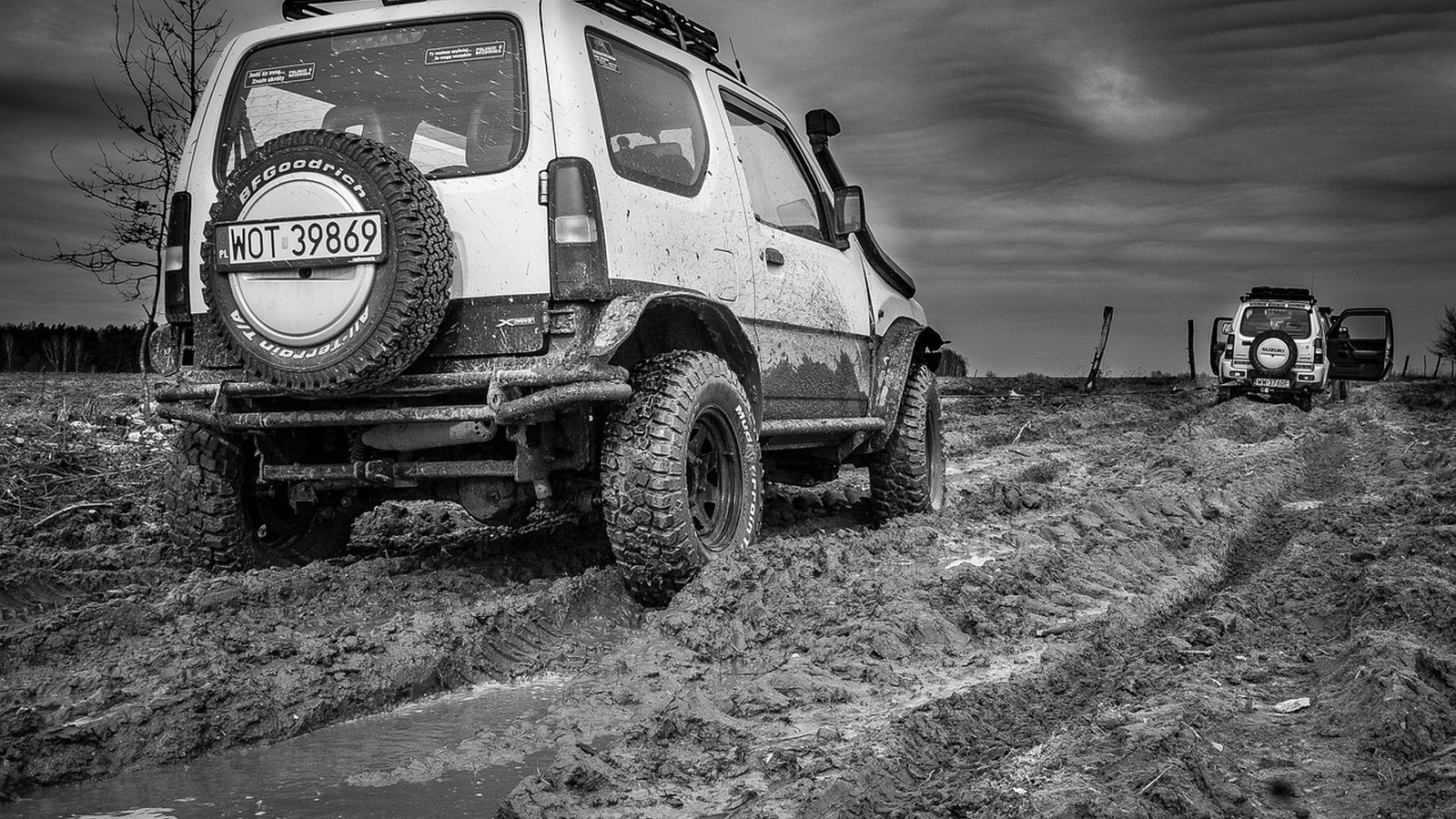 Photo: Pixabay
Keep the Rig Boringly Reliable
A group can limp a broken vehicle out between three others. Solo, a mechanical failure in a bad spot is the emergency. That makes maintenance a safety item, not just a chore.
Before a solo trip, actually go over the rig. Check your fluids, your belts and hoses, your battery, and above all your tires, including the spare and the tools to change it. The failures that strand people are almost never exotic. They are the neglected coolant hose, the bald spare, the missing lug wrench. Fix the small stuff at home where it is cheap and easy, so it does not become a survival scenario where it is neither.
Start Smaller Than Your Ego Wants To
You do not have to make your first solo trip a two-week deep-desert expedition. In fact, please do not.
Build the muscle in stages. Take a familiar, moderate trail you have already run with a group, and do it alone. Camp a single night somewhere with a cell signal, or a short drive from one. Practice a real recovery in your driveway or an empty lot, so the first time you deploy traction boards or run out your winch line is not the time it actually counts. Each trip, push a little further out and a little longer. Confidence built this way is earned and real, and it keeps you from writing a check your experience cannot cash.
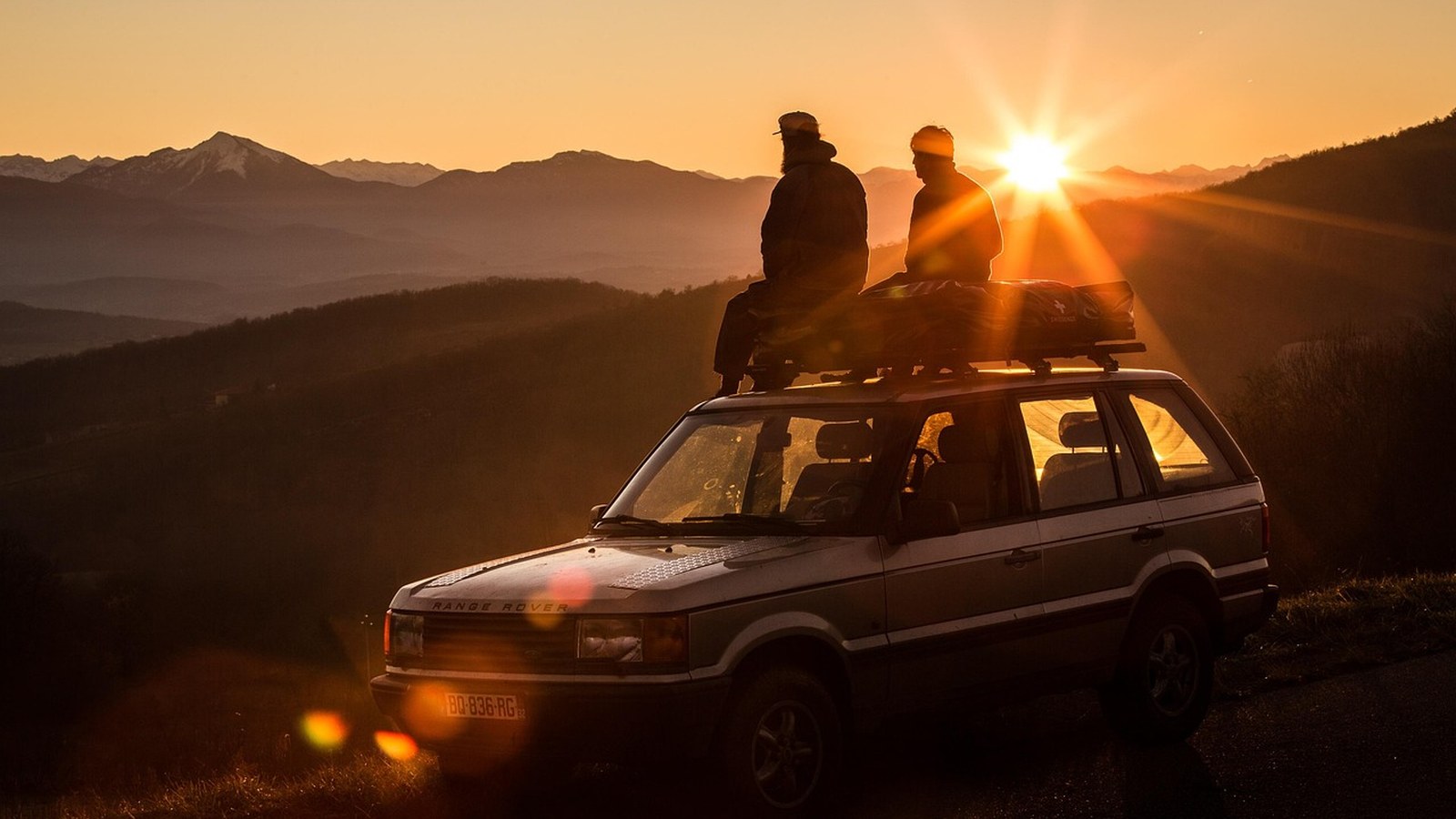 Photo: Pixabay
The Freedom Is Worth It
None of this is meant to scare you off. Solo overlanding is one of the best things you can do with a capable rig and a free weekend. The quiet, the total self-reliance, the fact that every good decision and every great campsite is yours alone, that is the whole appeal, and it is real.
The overlanders who do it for years are not braver than everyone else. They are just more prepared. They tell someone where they are going. They carry a way to call for help when the phone dies. They know how to get their own rig unstuck. And they turn around when the trail says turn around. Do those things, and the only thing waiting for you out there is a very good time and a story nobody else was around to see.
Now go air down, point it at the horizon, and enjoy having the trail to yourself.