
There is a moment on every family trip when you find out whether the plan was good or whether you just got lucky. For us it usually lands around hour three, somewhere past the last gas station, when the snacks are gone and somebody in the back seat has decided that this exact stretch of washboard is the hill they want to die on. That moment is where overlanding with kids is either made or broken, and the difference almost always comes down to how you set the day up before you ever aired down.
Here is the good news, and it is the whole reason to do this: kids are built for the outdoors. Put a kid on a creek bank with a stick and they will entertain themselves longer than any screen ever could. The trail is the easy part. The logistics around the trail are the work. So let us talk about the gear that earns its space, the safety stuff you cannot wing, the trails that fit a family, and the field-tested tips that separate a trip everyone wants to repeat from one nobody talks about again.
Be Honest About the Kid You Have
Before any of the gear talk, match the trip to the kid. A toddler, a six-year-old, and a twelve-year-old are three completely different expeditions wearing the same roof rack. A toddler needs naps, a strict feeding rhythm, and a short leash on daily mileage. A grade-schooler can hike a little, help at camp, and tolerate a longer drive if you break it up. A tween can genuinely be a trail partner, running the navigation app, spotting you through an obstacle, and actually caring about where you are going.
The classic mistake is making a kid’s first overland trip the big one. Do not do that. Start with a day trip close to home, then an overnight an hour out, then build toward the multi-night run once you have seen how your kid handles a full day in the dirt. You are learning their limits together, and it is a whole lot easier to pull the plug on a shakedown run twenty minutes from the driveway than it is two days deep.
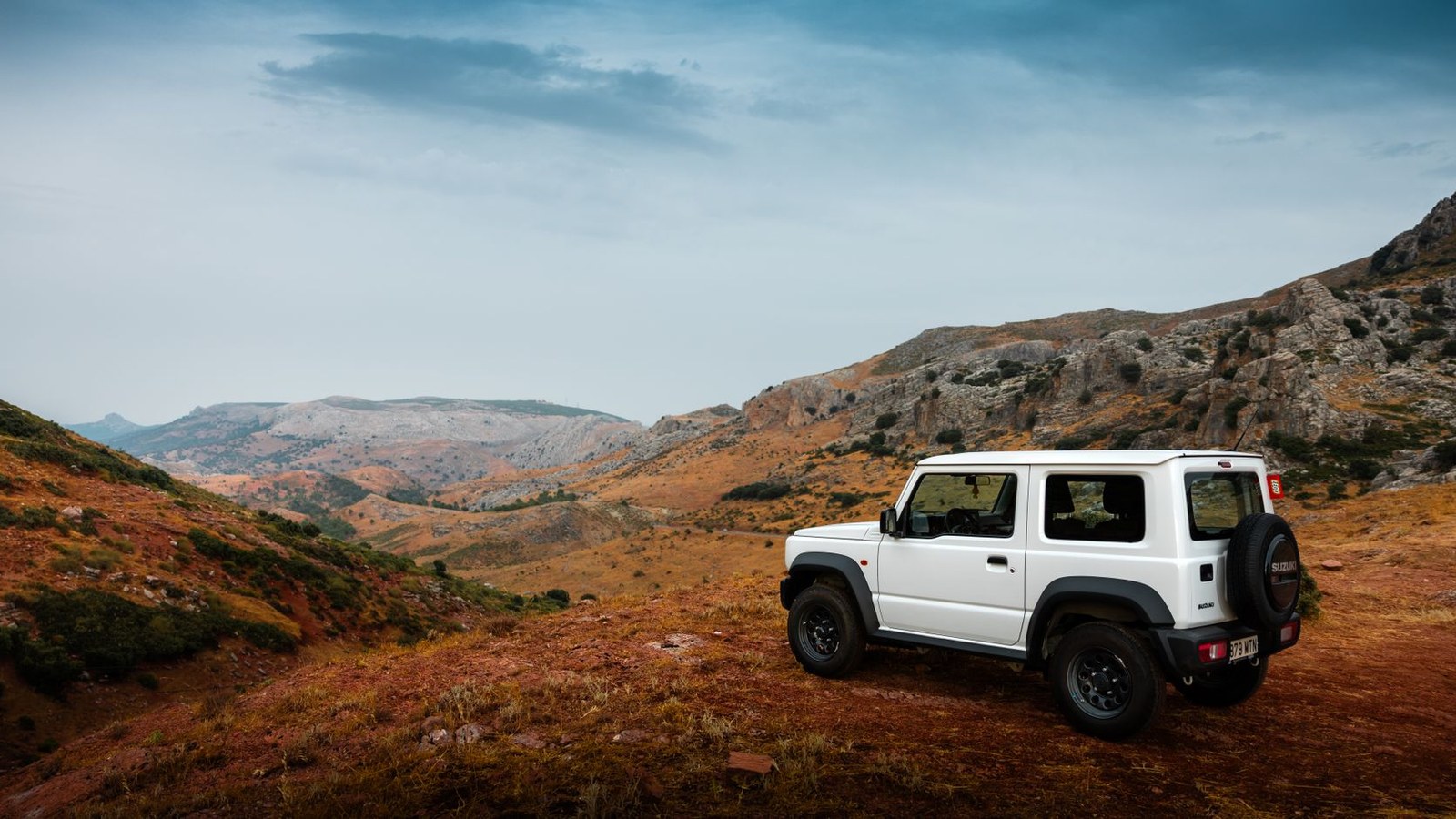 Photo: Quentin Martinez / Pexels
Car Seats and Restraints Are Not Negotiable
This is the part people get weird about, so let us be plain. A full-size 4x4 or overland rig with factory seatbelts is still a car, and every car seat rule that applies on the highway applies on the trail. Rough terrain does not suspend physics. If anything, a rollover or a hard slide on an off-camber line is exactly the kind of event those seats are built for.
The American Academy of Pediatrics is clear on the progression, and it is worth getting right: keep kids rear-facing as long as possible, up to the height and weight limits of the seat, then forward-facing with a five-point harness until they max out that seat, then a belt-positioning booster until they are tall enough for the adult belt to fit properly. That generally means a booster until a child is about four feet nine inches tall, which lands most kids somewhere between eight and twelve years old. Using the correct seat or booster for a child’s size cuts the risk of serious injury or death in a crash dramatically. This is not the place to improvise.
One hard line worth knowing: side-by-sides, UTVs, and ATVs are a different animal. Those vehicles are not crash-tested for child restraints, and standard car seats are not designed to mount in them. This article is about full-size rigs with real seatbelts. If your “overlanding” involves a UTV, the car-seat conversation changes completely, and the honest answer for very young kids is often that they wait.
On the trail itself, the fix is simple: slow down. Washboard, ruts, and sudden braking get amplified in the back seat, and a jostled, nauseated kid turns a fun day sour fast. A calmer, more deliberate driving style is better for everyone’s spine and everyone’s stomach.
Gear That Actually Earns Its Space
Space is the currency of overlanding, and kids spend it fast. The goal is not to pack more, it is to pack the few things that prevent a meltdown and skip the rest. Here is what consistently earns its spot.
Shade and a place to be. Kids overheat and sunburn faster than adults, and a cranky, sun-fried kid ends a trip early. An awning off the side of the rig, a pop-up shade, or even a good tarp gives them a base that is not the back seat. A ground mat or a small blanket turns any pullout into a play zone.
Their own water bottle and their own headlamp. Give a kid ownership of a piece of gear and they take it seriously. A labeled, kid-sized water bottle makes hydration their job instead of a nag, and a cheap headlamp that is theirs alone is pure magic at camp. It also keeps them from stealing yours.
Layers, not outfits. Mountain and desert temperatures swing hard between midday and midnight. Pack layers that stack: a base layer, a fleece, a shell, a warm hat. A kid who is cold at 2 a.m. in a rooftop tent will let the entire campsite know about it.
A real first aid kit, stocked for kids. More on this below, but it belongs on the gear list too. Child-appropriate pain reliever dosing, plenty of bandages, tweezers for splinters and cactus, and any regular medications your kid takes.
Comfort from home. This is the one adults forget. The specific blanket, the stuffed animal, the pillow that smells like their bed. Kids get homesick in the middle of nowhere, and a familiar object at bedtime is the cheapest insurance you can pack.
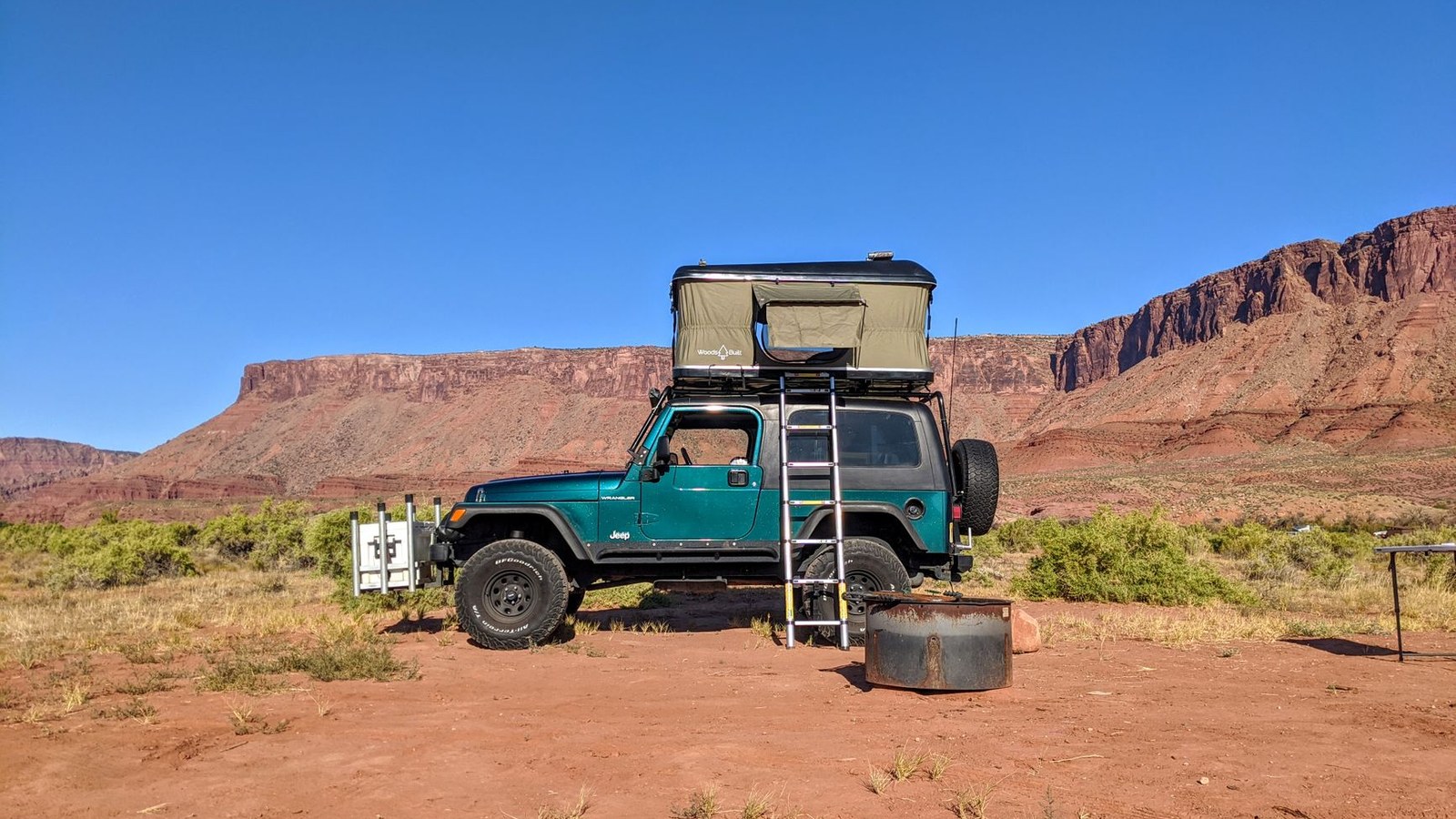 Photo: Ron Woods / Pexels
The Hydration and Bathroom Reality
Kids dehydrate faster than adults, especially at altitude and in dry heat, and a dehydrated kid gets lethargic, headachy, and miserable before they ever think to say they are thirsty. Push water constantly, the same way you would with a dog or yourself on a hard day. Offer it at every stop whether they ask or not.
Here is the tradeoff nobody warns you about: more water means more bathroom stops, and that is fine. Build it into your pace expectations instead of fighting it. A fussy, dehydrated kid in the middle of nowhere is a far bigger problem than pulling over three extra times. Pack a trowel, pack toilet paper and a sealable bag to pack it out, and teach the leave-no-trace basics early. For the youngest kids, a portable potty or a stash of diapers and a dedicated waste bag is not glamorous, but it saves the day.
Keep Them Fed on a Rhythm
Hungry kids are a different species. On a trip, blood sugar is trip insurance. Keep snacks within arm’s reach at all times, and lean on steady, protein-forward options over a sugar spike that crashes an hour later. Stick to a feeding rhythm that roughly matches home, because the drive and the altitude already throw their internal clock off enough.
Camp cooking with kids is also its own kind of win. Letting a kid help make camp dinner, stir the pot, hand you ingredients, toast a marshmallow, buys you goodwill and teaches them something at the same time. Keep the menu simple and familiar. A trip is not the time to introduce the exotic one-pot experiment.
Entertainment: Let the Trail Do the Work
The instinct is to pack a screen and call it solved. Screens have their place on a long transit stretch, and there is no shame in a tablet with headphones buying the front seat an hour of peace. But if a screen is the whole plan, you have missed the point of being out there.
The best entertainment is the trip itself. Give kids a job and a stake in it. A tween can run the navigation app and call out the next turn. A younger kid can be the official wildlife spotter, keeping a tally of every hawk, lizard, and marmot. Hand them a cheap pair of binoculars and a notebook and watch how seriously they take the assignment. Low-tech wins in the vehicle too: sticker books, coloring pads, a bag of small toys, the classic road-trip games. Audiobooks and kid podcasts are quietly the MVP of long drives, because they entertain without pulling eyes off the window and the scenery rolling by.
At camp, the natural world is the toy box. A creek, a pile of rocks, a stick, a bug jar for catch-and-release. Build in unstructured time and resist the urge to schedule every hour. Kids who are a little bored outdoors invent the best games, and those are the moments they remember.
Pick Trails That Fit a Family
Not every trail is a family trail, and that is the point. The goal of a family run is not the hardest obstacle, it is the best day. That means choosing routes with a payoff a kid can see and reach: a lake to skip rocks on, an overlook, a meadow, an old cabin, a short hike to something cool.
Look for easier-rated scenic routes with frequent bail-out points and reliable cell or radio coverage where you can get it. Graded forest roads, mellow alpine loops, and well-traveled scenic trails give you the adventure of being out there without the white-knuckle technical sections that stress a parent and bore a kid. Keep daily mileage short, because the drive is not the reward for them, the stops are. Plan to cover less ground than you would solo and build in real time at every good pullout.
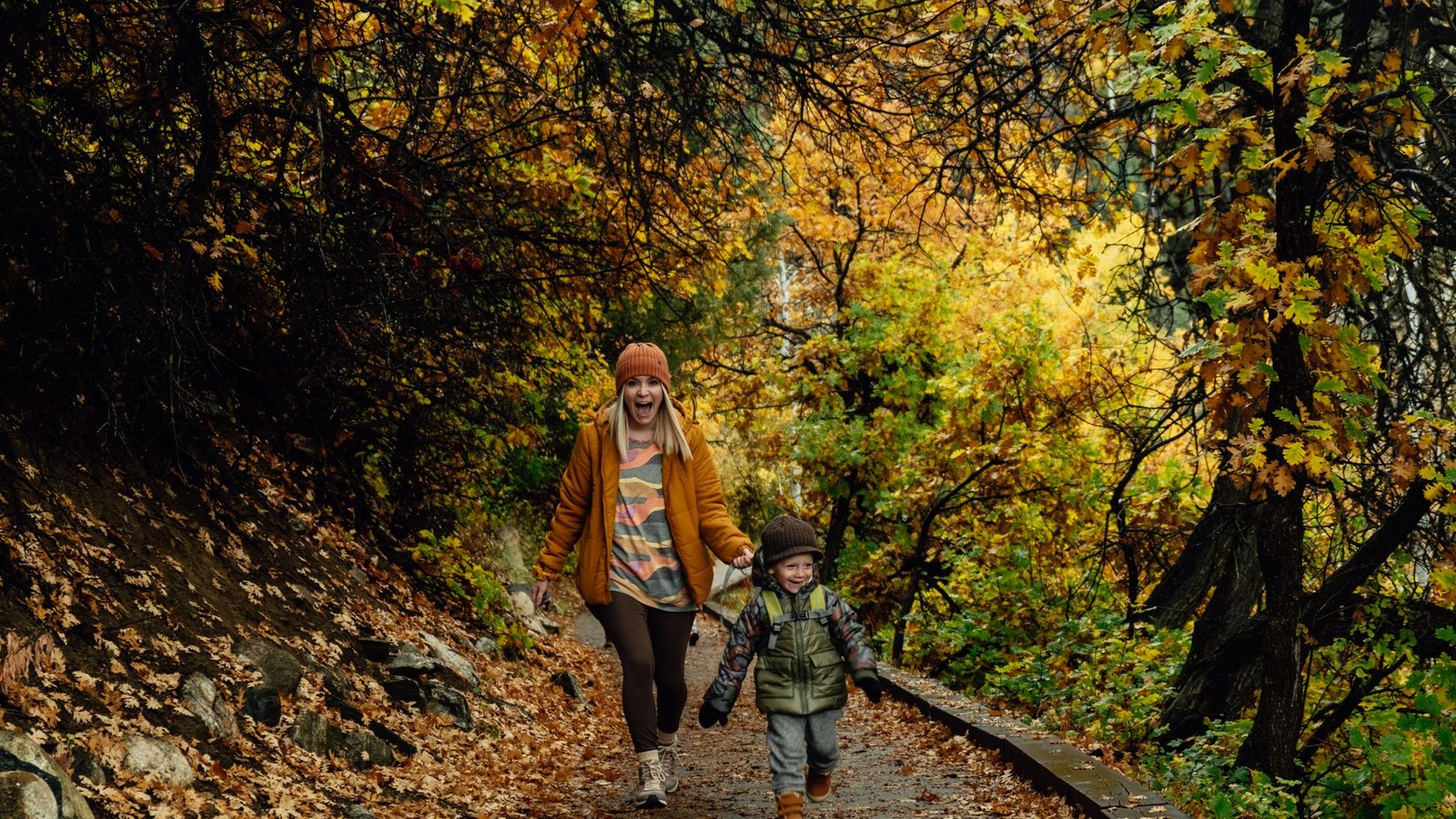 Photo: Todd Willett / Pexels
Know the regulations before you go. Many public land areas have specific rules, and some genuinely rugged OHV areas are not appropriate for small kids at all. A quick check with the managing agency, a Forest Service, BLM, or state park office, tells you trail conditions, seasonal closures, and whether the route fits your crew. A trail that is a blast solo can be a bad call with a car seat in the back.
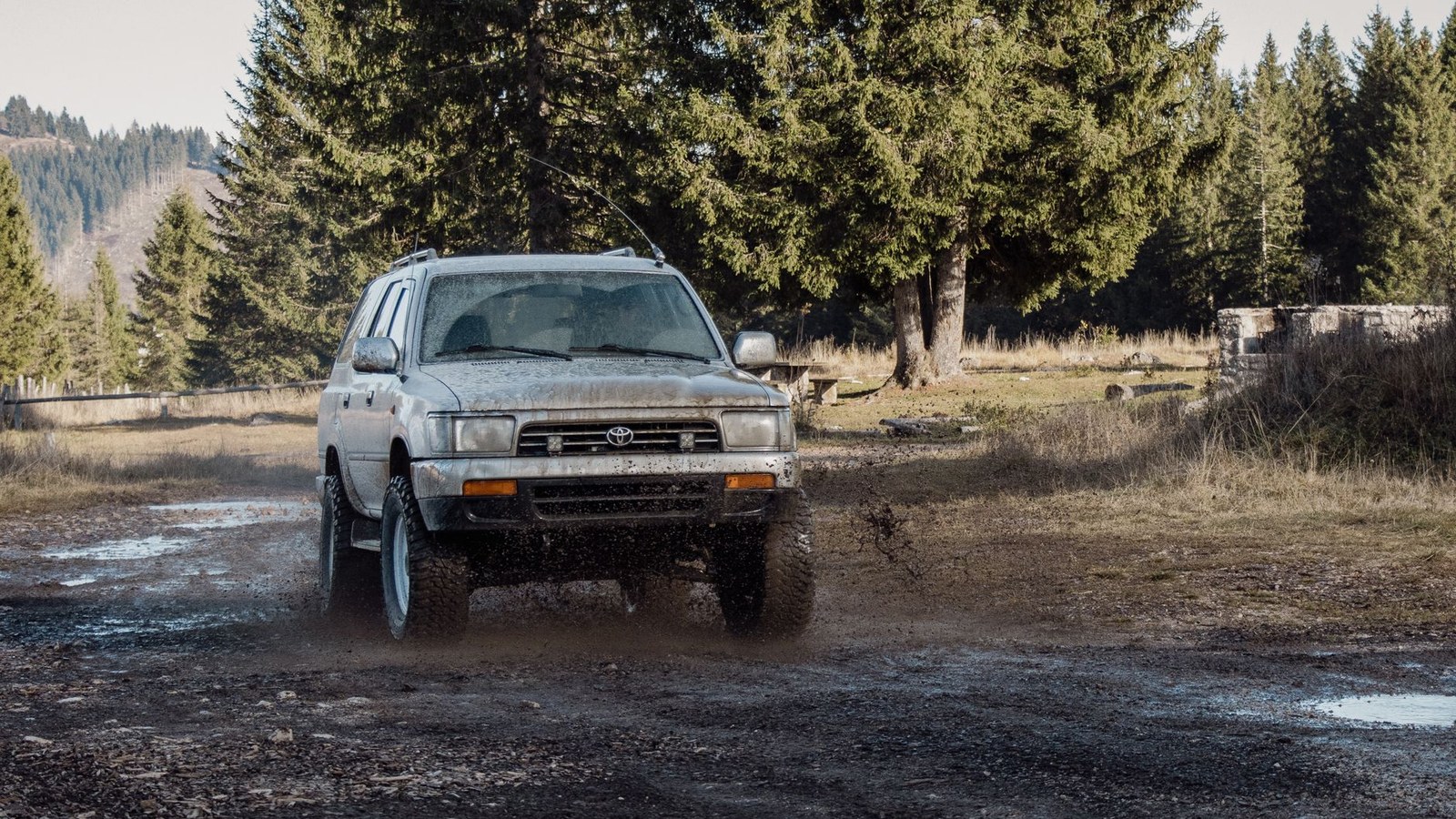 Photo: Gio Spigo / Pexels
Build a Kid-Ready First Aid and Safety Plan
Your standard trail kit needs a kids’ addendum. That means correctly dosed children’s pain and fever reducer, a generous supply of bandages in fun designs because a kid’s perception of an injury is half the battle, antihistamine for bug bites and stings, tweezers for splinters and cactus spines, sunscreen, and any prescription meds your kid relies on. Add a tick remover if you run wooded country.
Teach the basics before you need them. Kids should know to stay with the rig or an adult, what to do if they get separated, and how to recognize they are getting too hot, too cold, or too tired. A whistle on every kid is a dirt-cheap safety tool: three blasts means help, and even a four-year-old can learn it. For comms past the last cell tower, a satellite messenger is worth serious consideration when you are running a family deep into the backcountry, because the margin for error with kids aboard is thinner and the peace of mind is real.
The Real Secret: Lower the Bar and Slow Down
Here is the thing experienced overland families figure out eventually. The trip your kid remembers is almost never the one you planned. It is the creek you stopped at on a whim, the lizard they caught, the night they stayed up watching the fire. The named obstacle you were chasing barely registers for them.
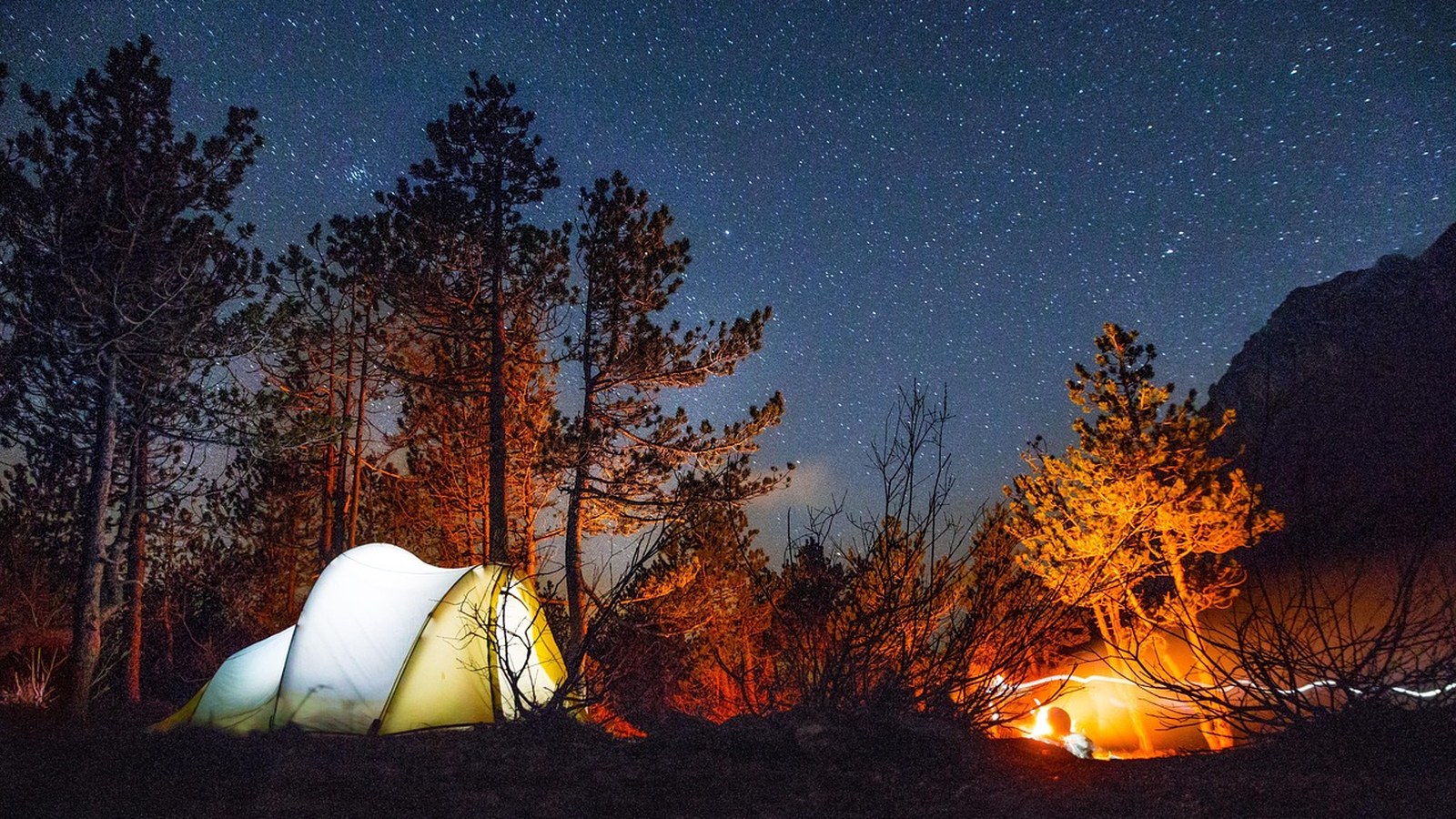 Photo: Lukas Bieri / Pixabay
So lower the bar on purpose. Cover less ground. Stop more. Say yes to the detour. Let the schedule bend around the moments the kids actually care about, because those moments are the entire reason to bring them. Do that, and you are not just dragging the family along on your hobby. You are building the next generation of people who care about these places, one washboard road and one creek bank at a time. That is a trip worth repeating.
Hero photo: Photo: Uriel Mont / Pexels