

Everyone wants the rooftop tent. Scroll any overland feed for thirty seconds and you will see a hardshell popped open on a coastal bluff at golden hour, ladder down, someone drinking coffee at altitude like they own the place. It looks incredible. It sells rigs. And for a huge number of people who buy one, it is the wrong call.
That is not an anti-RTT take. Rooftop tents are genuinely great at a specific job. The problem is that almost nobody tells you when that job is not the one you are actually doing. So before you drop three or four grand and bolt a hundred and fifty pounds to your roof, let us walk through the real trade-offs. No brand loyalty, no hype. Just what each one is good at and where it quietly falls apart.
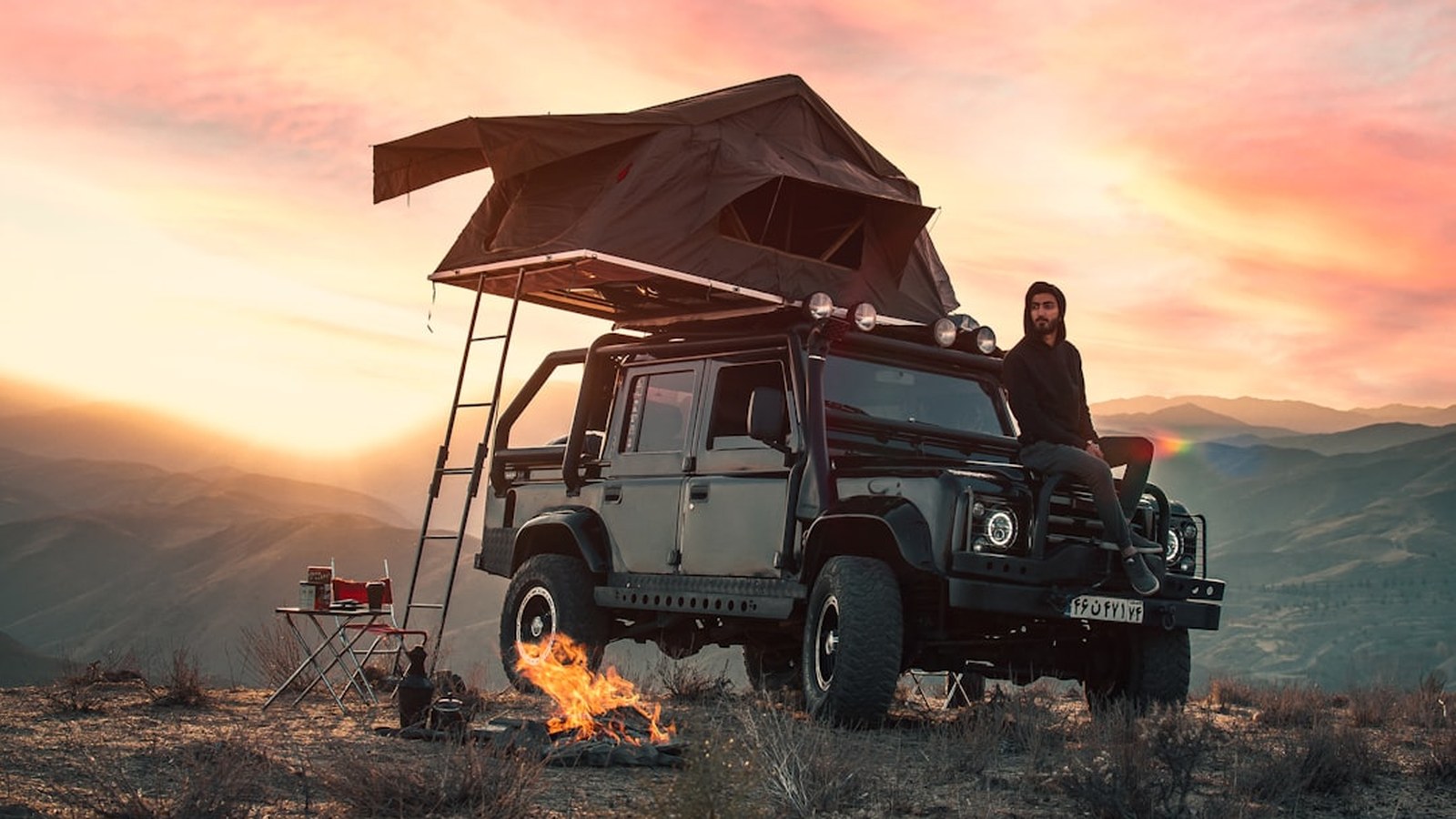 Photo: Hamid Tajik / Unsplash
What a Rooftop Tent Is Actually Good At
Start with the honest wins, because they are real. A rooftop tent gets you off the ground. That matters more than the marketing lets on. You are up out of the mud, the runoff, the ants, and whatever crawls around at night. When you roll into camp on wet or rocky ground where a ground tent would end up slimy and miserable, the RTT does not care. You climb the ladder, kick your boots off into the pocket by the door, and you are done.
Setup speed is the other big one, but only for certain designs. A hardshell clamshell tent is close to magic here. Pop the latches, let the gas struts lift the roof, and you have a made bed in well under a minute. The mattress lives inside, so your bedding stays put between trips. Softshell fold-out models take longer, more like several minutes with the ladder and rainfly, but even those beat pitching a ground tent from scratch in a downpour.
There is also the view and the vibe. Sleeping six feet up with the windows open, looking out over a ridge, is a legitimately great experience. On a multi-night trip where you are moving camp every day, a fast-deploying hardshell earns its keep every single morning.
The Costs Nobody Puts in the Reel
Here is where the picture changes. A rooftop tent is one of the most expensive pieces of gear you can add to a rig, often second only to the vehicle itself.
Entry-level, made-overseas softshell tents start around a thousand dollars. The premium hardshells that everyone actually wants live in a different zip code. An iKamper Skycamp 3.0 runs about 4,595 dollars and weighs roughly 145 to 165 pounds depending on how you spec it. A carbon-fiber Autohome Columbus can push past 5,600 dollars and still weighs around 90 pounds. For comparison, a made-in-the-USA Springbar canvas ground tent, one of the most durable cabins you can buy, is under a thousand dollars, and dozens of perfectly good ground tents start under 200.
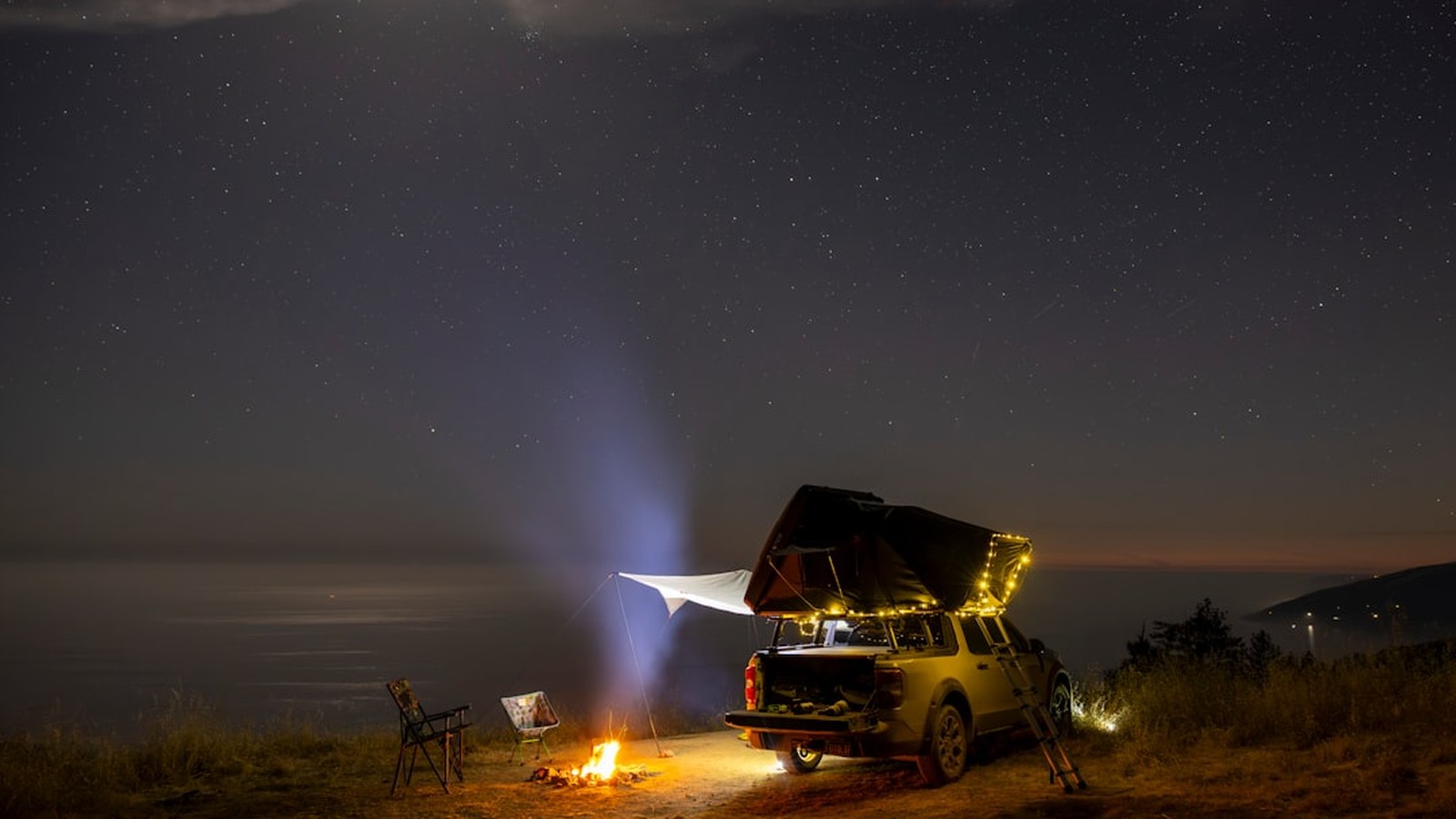 Photo: Leo_Visions / Unsplash
Then there is the weight, and where that weight sits. A typical RTT setup adds 100 to 165 pounds to your roof, and that is before you factor in the rack it bolts to. You have to respect two different numbers here. Your vehicle’s dynamic roof load is what the roof can carry while you are driving, and it is often only around 165 pounds on a stock crossbar setup. The static load, what it holds while parked, is usually three to five times higher, which is why a tent rated for 600 to 900 pounds of sleepers is fine once you are up top and not moving. The mistake people make is ignoring the dynamic number and hanging a heavy tent off a rack that was never rated for it.
That weight is also in the worst possible place. Mount 150 pounds up high and you raise the rig’s center of gravity noticeably. You will feel it in body roll on pavement and, more importantly, on off-camber sections and side slopes on the trail, exactly where you least want a top-heavy vehicle.
The Fuel and Daily-Driver Tax
An RTT that lives on your roof year round costs you at the pump every day, not just on trips. Consumer Reports testing found roof racks and carriers cut fuel economy anywhere from about 2 to 13 percent on SUVs and up to 11 to 19 percent on a sedan, depending on the shape of what you strap up there. Real-world owners back that up. Plenty of truck drivers report losing somewhere in the range of 2 to 3 mpg with a rack and tent installed, and a Subaru Outback owner might watch highway numbers slide from 30 down closer to 25.
A streamlined hardshell wedge hurts a lot less than a boxy softshell, and taking the tent off between trips erases the penalty entirely. But be honest with yourself about whether you will actually pull a 150-pound tent off your roof after every weekend. Most people do not. So that fuel hit becomes a permanent tax on your commute for a tent you use a handful of nights a year.
 Photo: Christopher Jolly / Unsplash
Where the Ground Tent Quietly Wins
Now the underdog. A ground tent gives up the off-the-ground perch and the instant hardshell setup, and in exchange it hands you back almost everything else.
Space is the obvious one. Even the biggest rooftop tent is, at best, the size of a good backpacking tent. There is no RTT on the market with real standing headroom for an adult. A canvas ground tent like a Springbar Traveler will swallow two cots plus a table and chairs, and a six-foot-five person can stand up inside. When a storm parks over you and you are stuck inside for daylight hours, that difference goes from nice-to-have to sanity-saving. You can sit up, play cards, cook in the vestibule, and run a portable heater in a space that does not feel like a coffin.
Weight and cost we already covered, and the gap is not close. Many roomy ground tents weigh 15 to 40 pounds and cost a fraction of even a cheap RTT. That leaves budget for the parts of your rig that actually keep you safe and moving.
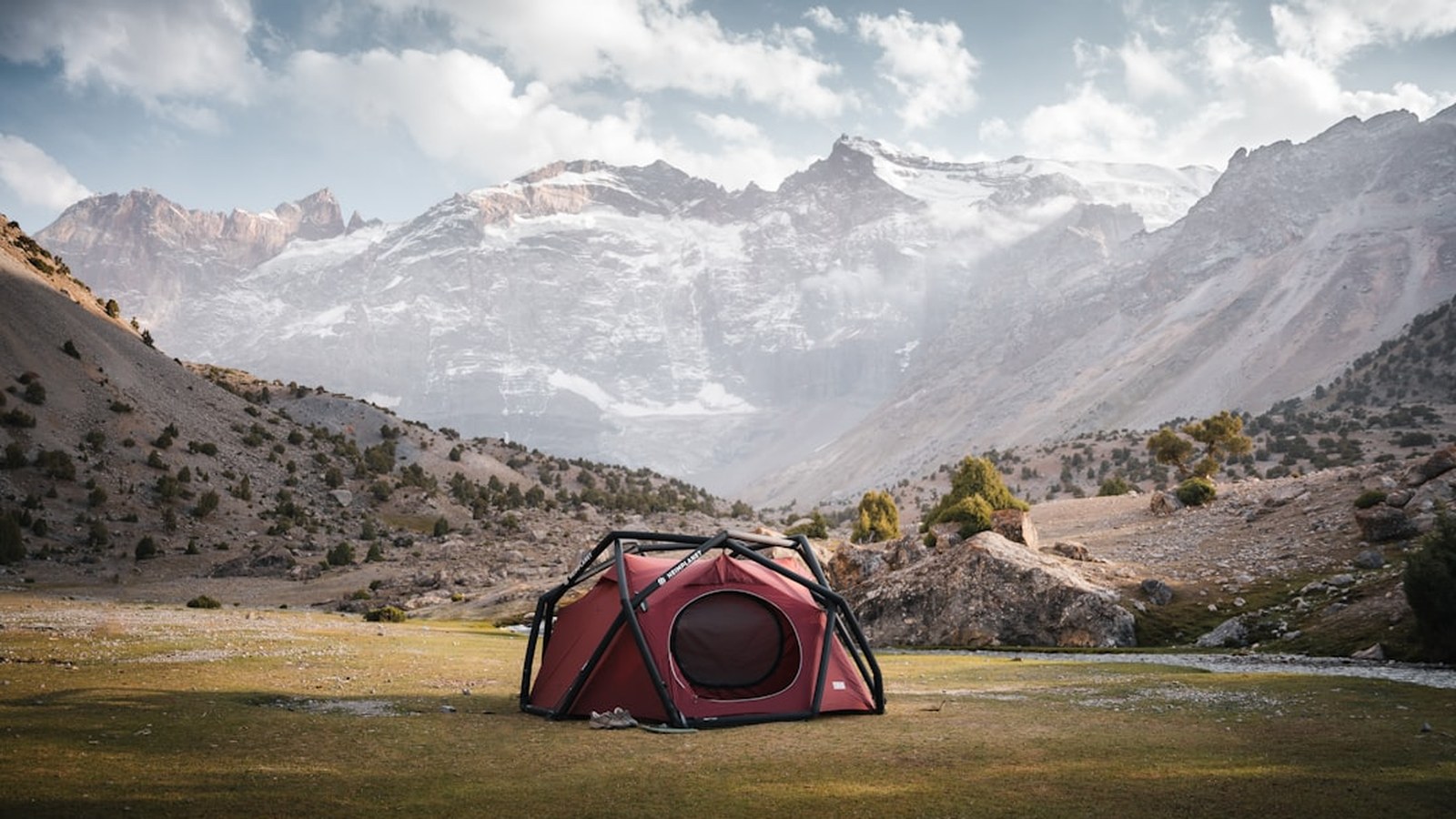 Photo: Slava Auchynnikau / Unsplash
The sleeper advantage, though, is flexibility. With a ground tent you can pitch camp, then unhook and drive off to run a trail, grab firewood, or make a supply run without tearing your whole bedroom down. With a rooftop tent, your bed is attached to your transportation. Every time you want to move the truck, you fold up the tent. On a stationary base-camp trip, where you set up once and explore from there for days, that single fact tips the whole decision toward the ground.
How to Actually Decide
Forget which one looks better on the internet. Ask what your trips actually look like.
A rooftop tent makes sense if you move camp most nights, you often camp on rough, wet, or rocky ground with nowhere flat to pitch, you want the fastest possible setup after a long day of driving, and the cost, weight, and fuel penalty are things you can genuinely live with. Solo travelers and couples who are constantly on the move are the sweet spot. If that is you, buy the hardshell and enjoy it.
 Photo: Bradley Dunn / Unsplash
A ground tent makes sense if you set up a base camp and explore from it, you camp as a family or want room to actually live inside during bad weather, you would rather spend that three or four grand on suspension, recovery gear, tires, or fuel range, and you do not want a permanent mileage and handling penalty on your daily driver. For a huge slice of weekend wheelers and family campers, this is the honest answer even though it is not the exciting one.
There is also a middle path worth knowing about. Plenty of people run a ground tent for years, learn exactly how they camp, and only then decide whether an RTT solves a problem they actually have. Some skip both and build out an interior sleeping platform. And a rooftop tent mounted on a small off-road trailer sidesteps the roof-weight and daily-driver problems entirely, at the cost of towing something.
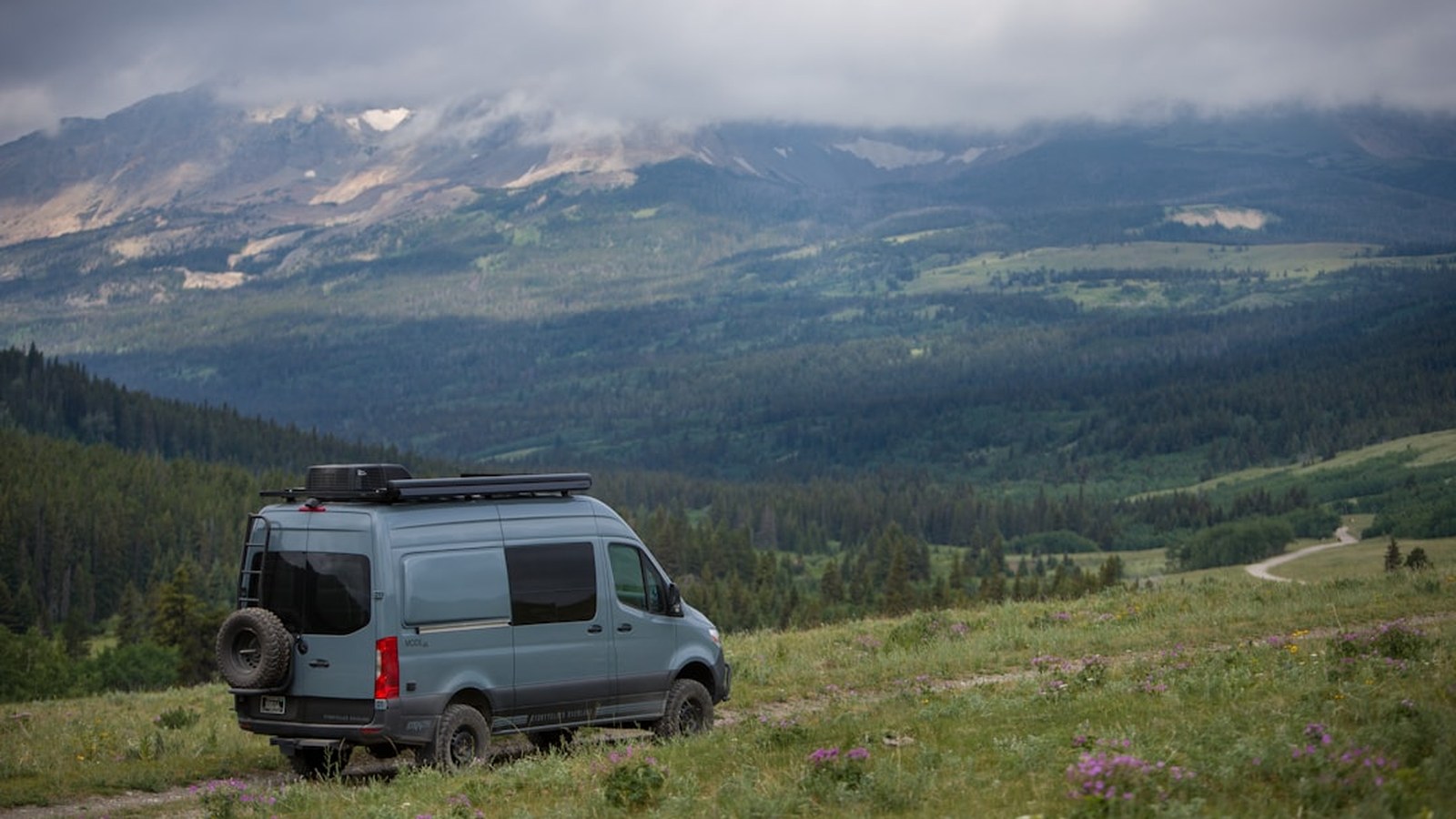 Photo: Chris Cordes / Unsplash
The Bottom Line
A rooftop tent is not a status upgrade, even though the market treats it like one. It is a tool that is excellent at a specific style of travel and a poor fit for others. If you move every night and camp on ugly ground, it is worth every dollar. If you base-camp, travel with a family, or just want your money working somewhere that improves the actual driving, a ground tent will quietly outperform the fancy option and leave thousands in your pocket.
Buy the tent that fits the trips you actually take, not the trips the algorithm wants you to think you take. Then go use it.
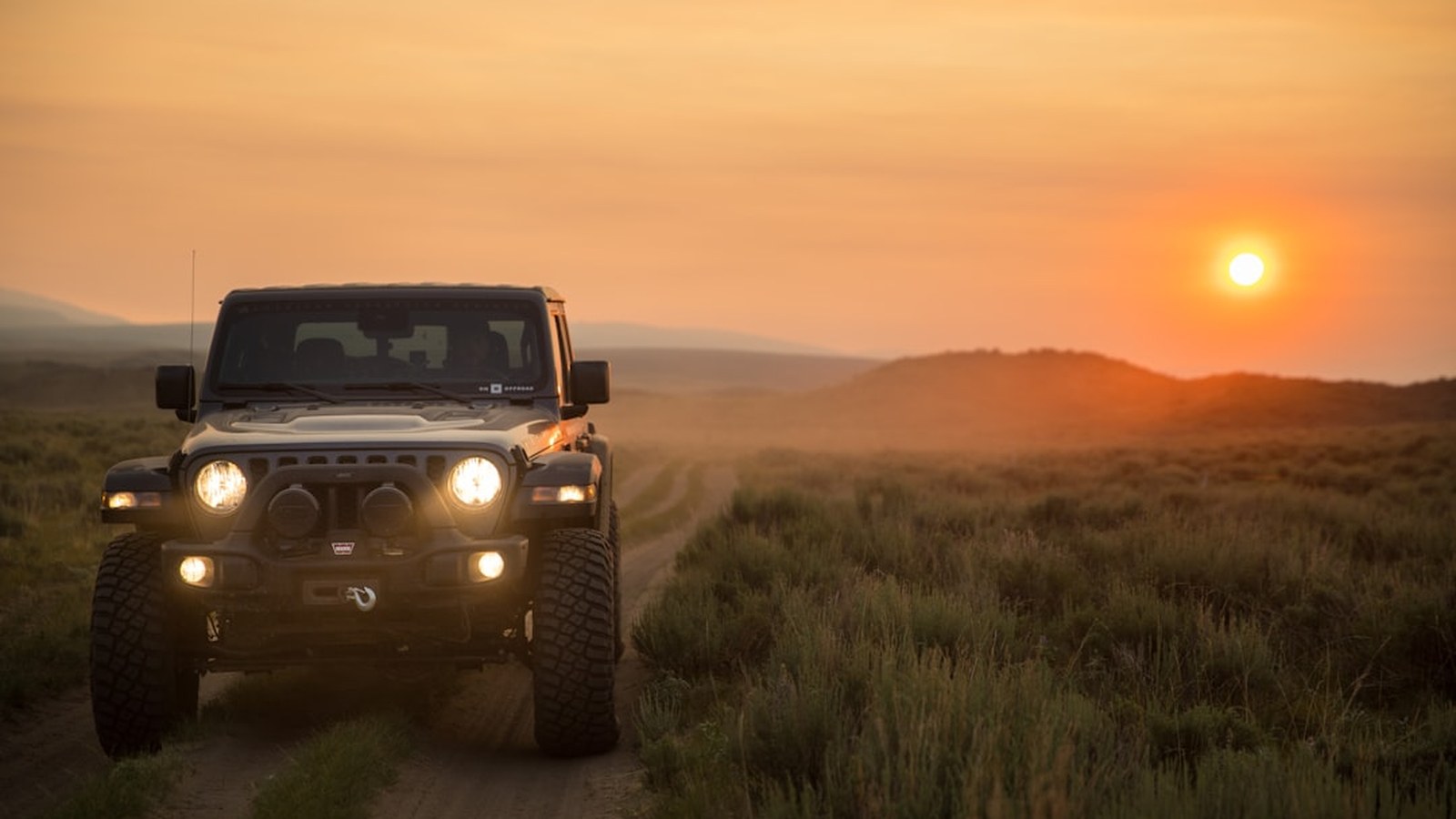 Photo: Chris Cordes / Unsplash
Hero photo: Leo_Visions / Unsplash