
The hardest part of a weekend overland trip is not the trail. It is the Thursday night scramble where you stare at a map, second-guess every option, and end up not going at all. We have all been there. The fix is not more free time or a bigger rig. It is a repeatable framework you can run on autopilot, so the decision to go is easy and the packing is boring. Boring packing is the goal. Here is the system we actually use to go from an open weekend to wheels in the dirt.
Beat the paralysis: decide to go first
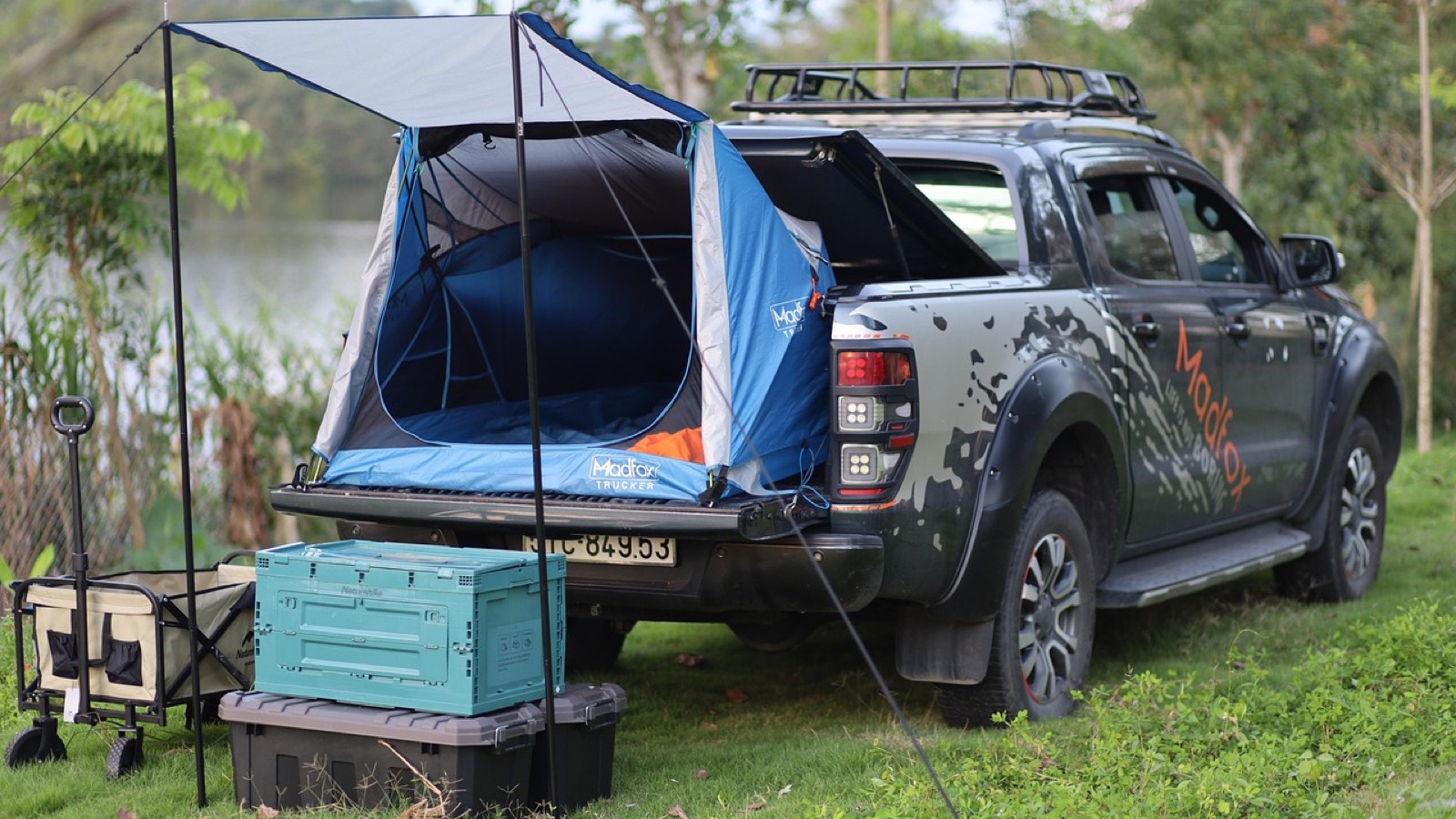 Photo: duncantran / Pixabay
Most weekends die in the “where should we even go” phase. You open three apps, read forty trail reviews, and talk yourself out of all of them. The move is to flip the order. Commit to going first, then figure out the details against a deadline. A trip that exists on the calendar gets planned. A perfect trip that lives only in your head never happens.
Give yourself a rule: you are leaving Friday after work, you are back Sunday afternoon, and you will pick a region within a few hours of home. That is it. Everything else is just filling in a known shape. The pressure to find the one perfect route disappears the second you accept that a good trip you actually take beats a perfect one you keep postponing.
Pick a region, not a route
This is the single biggest mindset shift. Beginners try to plan a flawless turn-by-turn route before they even know the area. Experienced folks pick a general region and let the route reveal itself once they are there.
Choose an area within a comfortable drive, ideally a chunk of public land with a network of trails: a national forest, a BLM district, a state recreation area. The advantage of a region over a single trail is options. If a road is washed out or a campsite is full, you pivot to the next one over instead of scrapping the whole plan. You want a sandbox, not a tightrope.
Set up a basecamp and run day loops
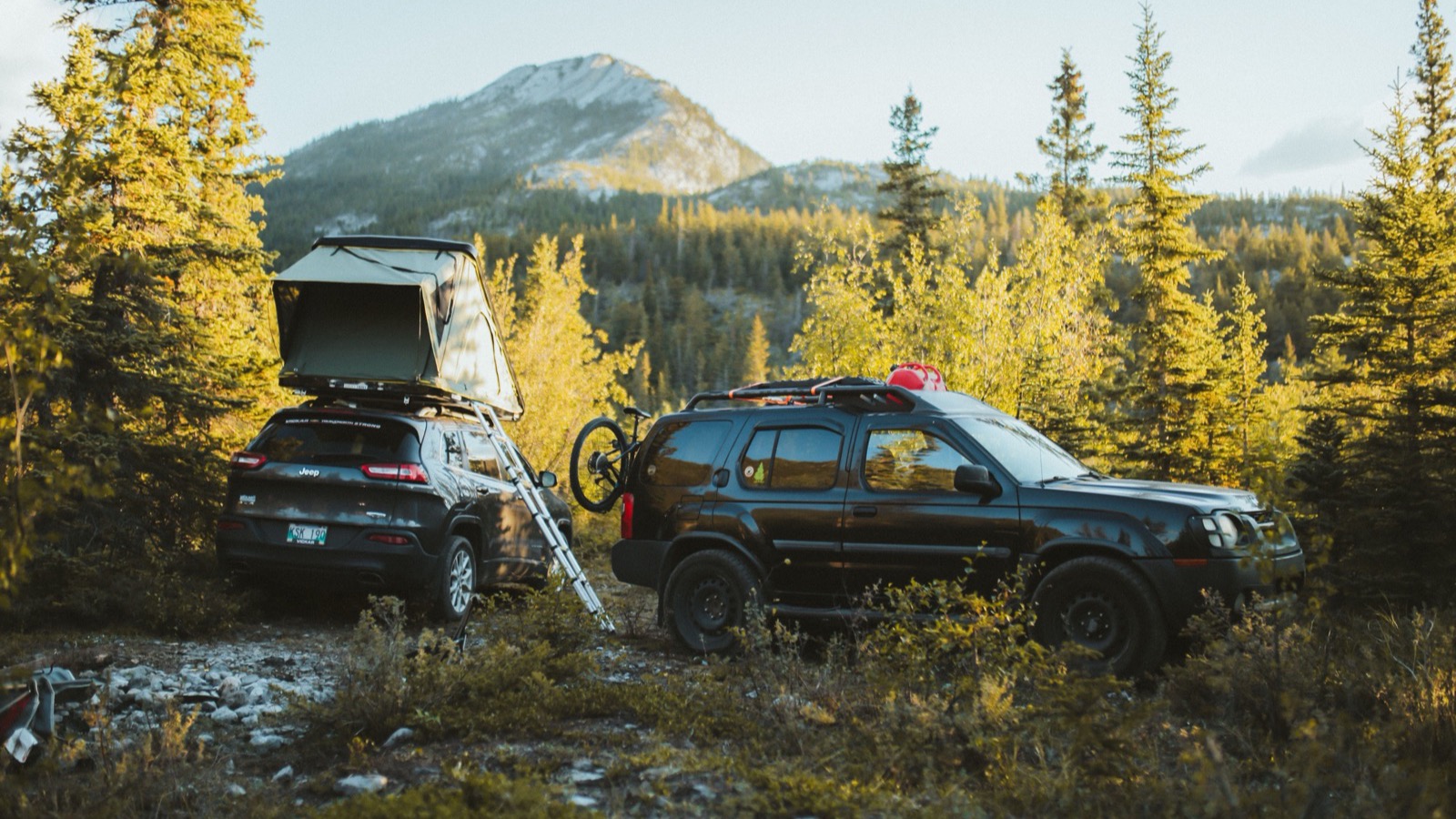 Photo: Jaime Reimer / Pexels
Here is the trick that makes a weekend feel longer than it is: pick one good basecamp and run day loops out of it instead of breaking camp every morning.
Look for dispersed camping or an established site near the trails you want to run. On national forest land, dispersed camping is generally allowed along roads on the Motor Vehicle Use Map, and motorized camping is usually limited to within about 150 feet of a designated route. On BLM land the typical stay limit is 14 days within a 28-day period, though it varies by district, so check the local rules. Tools like iOverlander, which is free and crowd-sourced by real travelers, are great for finding spots, and onX Offroad or Gaia GPS will show you land ownership so you know you are actually on public ground and not someone’s back forty.
Once camp is set, you leave the heavy gear and run lighter, quicker loops during the day. You come back to a tent that is already up and a chair that is already out. It changes the whole rhythm of the weekend.
Check conditions, access, and permits (the step people skip)
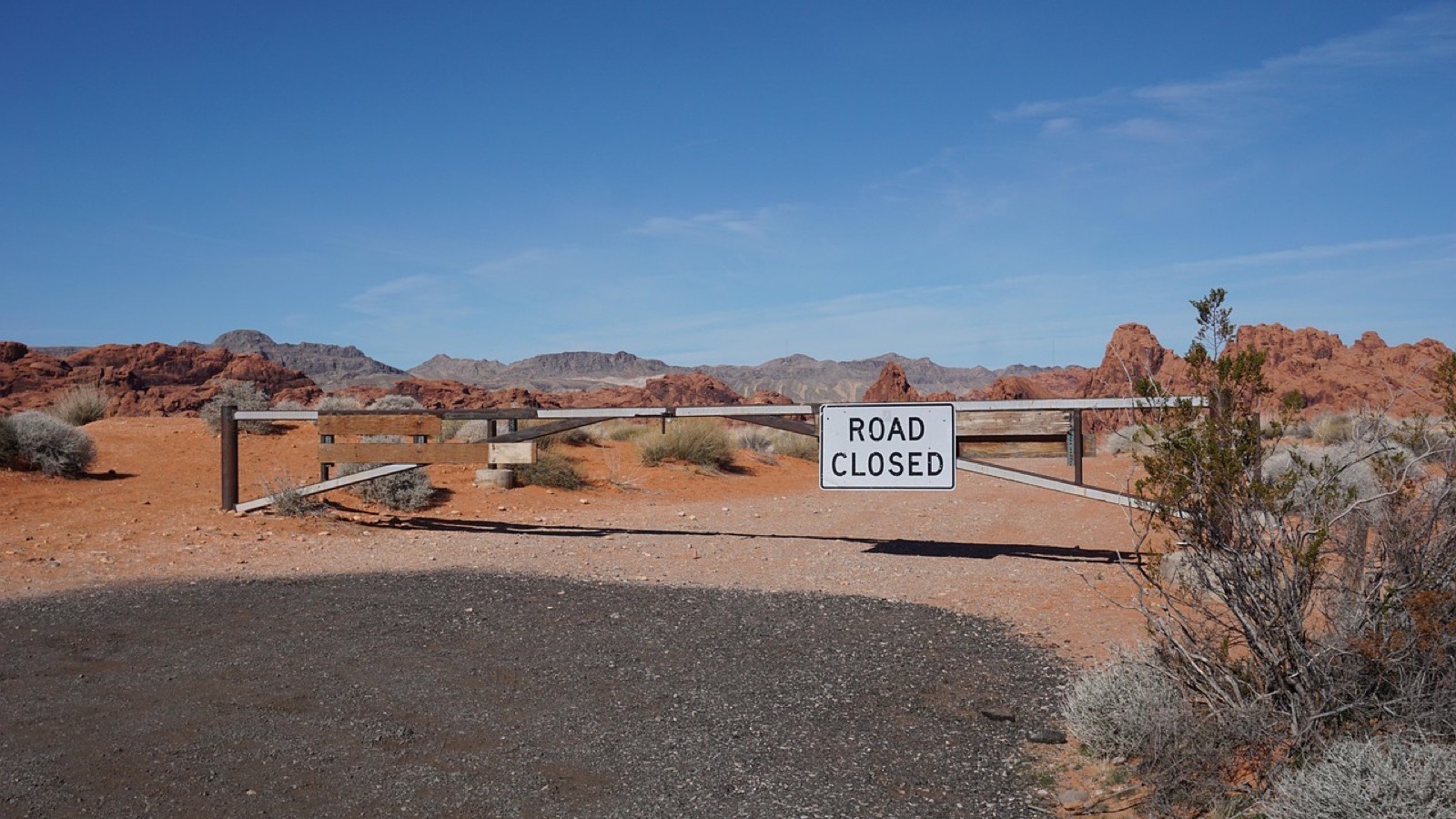 Photo: RJA1988 / Pixabay
This is the one everybody skips and the one that wrecks the most trips. Five minutes of homework here saves you a three-hour backtrack to a locked gate.
Confirm three things before you commit. First, is the trail actually open? Look for seasonal closures, which are common in spring mud season and after wildfire activity. National forests post Forest Orders for temporary closures, and those override whatever a trail app told you. Second, do you need a permit? Some areas require a free self-issued permit, some charge a day-use fee, and a few popular spots use a reservation lottery. Third, what is the recent weather doing? A dry creek crossing in July is a different animal after a thunderstorm, and high-clearance dirt roads turn to grease when they are wet.
The fastest reliable source is the managing agency itself: the ranger district or BLM field office website, or a quick phone call. Trail apps and forum posts are great for ideas, but they go stale. The agency page is the one that is current.
Keep a standing gear list
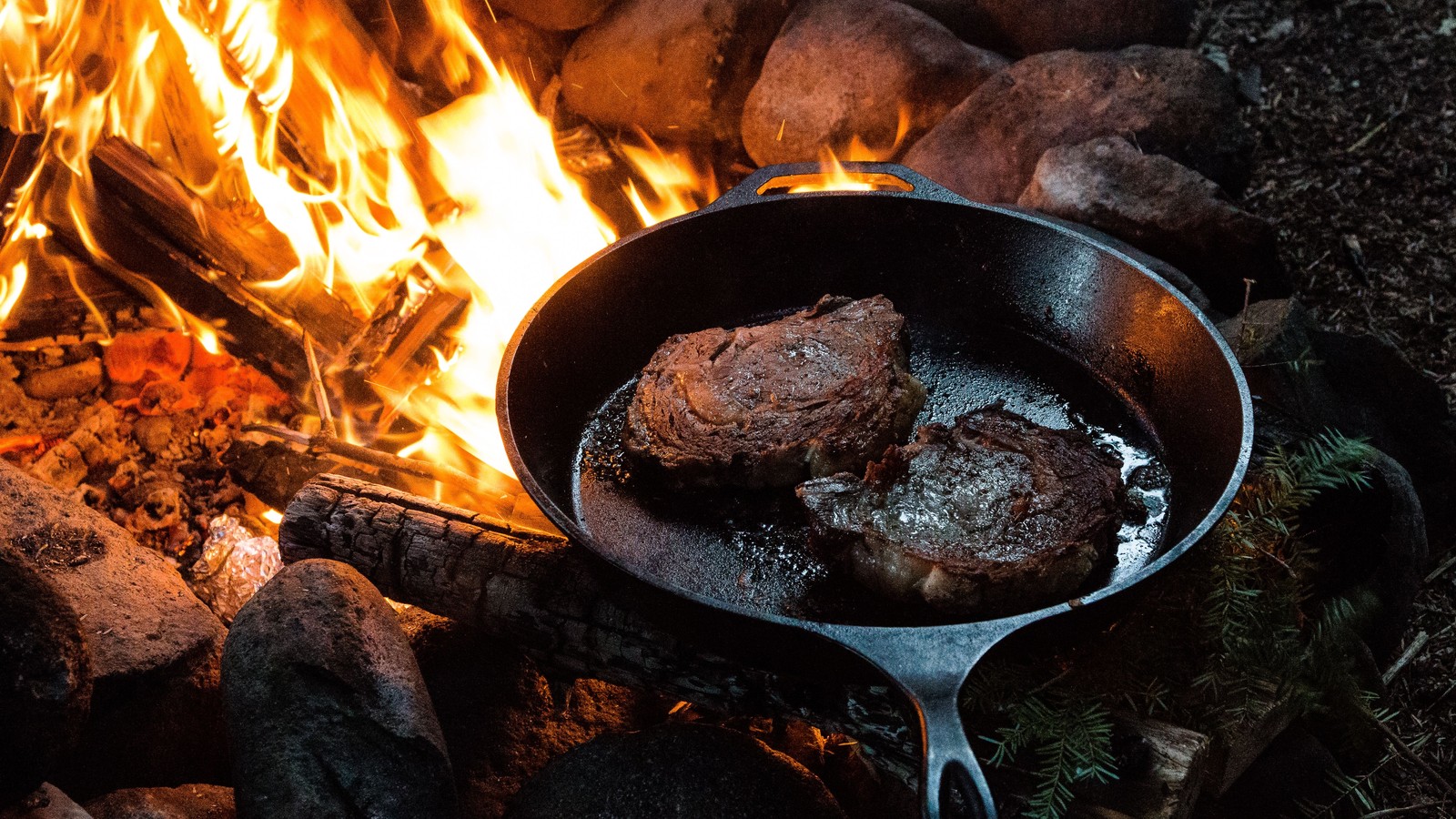 Photo: Loren Castillo / Pexels
Stop reinventing your packing list every trip. Build one master checklist, keep it in your phone, and just run down it Friday afternoon. Group it into four buckets so nothing important falls through the cracks.
- Recovery: traction boards, a rated recovery strap and soft shackles, gloves, and a way to air down and air back up. A tire deflator and a compressor that can actually handle your tire size live in the rig permanently.
- Sleep: shelter, a bag rated colder than you expect, a pad, and layers. Deserts and mountains both swing 30 or 40 degrees between afternoon and dawn, and that surprises people every single time.
- Kitchen: stove and fuel, water, simple food, a knife, and a trash bag so you pack out everything you bring in.
- Safety: a real first aid kit, navigation, comms, a fire extinguisher, and a full-size spare with the tools to actually change it.
The point of a standing list is that it removes decisions. You are not deciding what to bring, you are confirming it is in the truck.
Navigation, comms, and offline maps
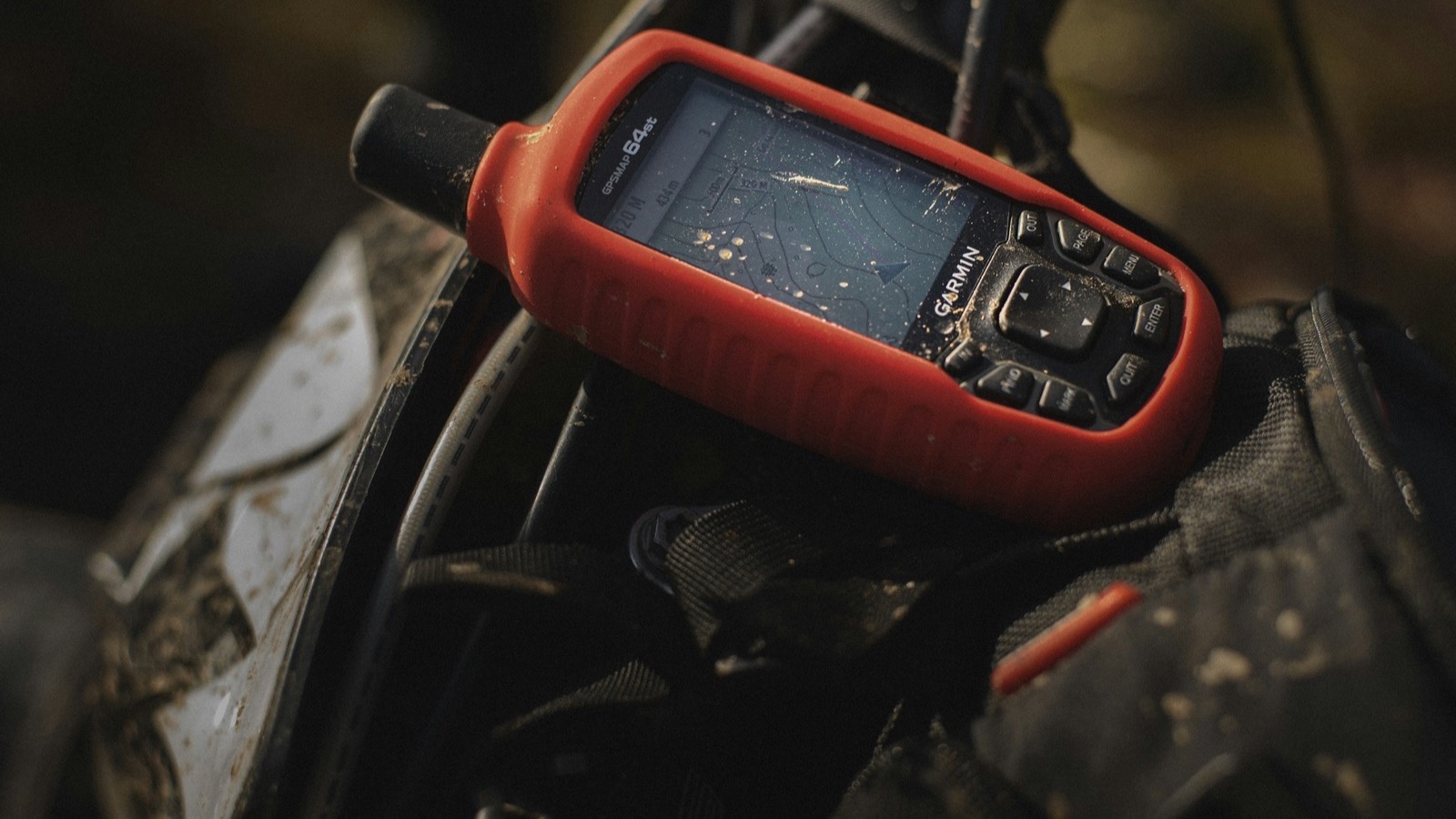 Photo: Egor Myznik / Unsplash
Your phone’s regular map app is useless the moment you lose signal, which out there is almost immediately. Download your maps before you leave the driveway.
For most people the practical choice is onX Offroad or Gaia GPS. onX leans toward quick trail selection, trail ratings, and easy land-ownership overlays in the field. Gaia goes deeper on offline map layers and route building, and it plays nicely with GPX files if you like to plan on a big screen first. Either one works. The non-negotiable part is downloading the area for offline use ahead of time, because the free tiers still need a connection to load map tiles, and you will not have one.
For comms, a cell phone is a coin flip past the trailhead. If you are heading anywhere genuinely remote, a satellite communicator like a Garmin inReach is worth it. It does two-way text messaging and an SOS function with no cell service at all, on a subscription, and it can share your location with someone back home. It is the difference between an inconvenience and an emergency when something goes sideways.
Plan food and water like it matters
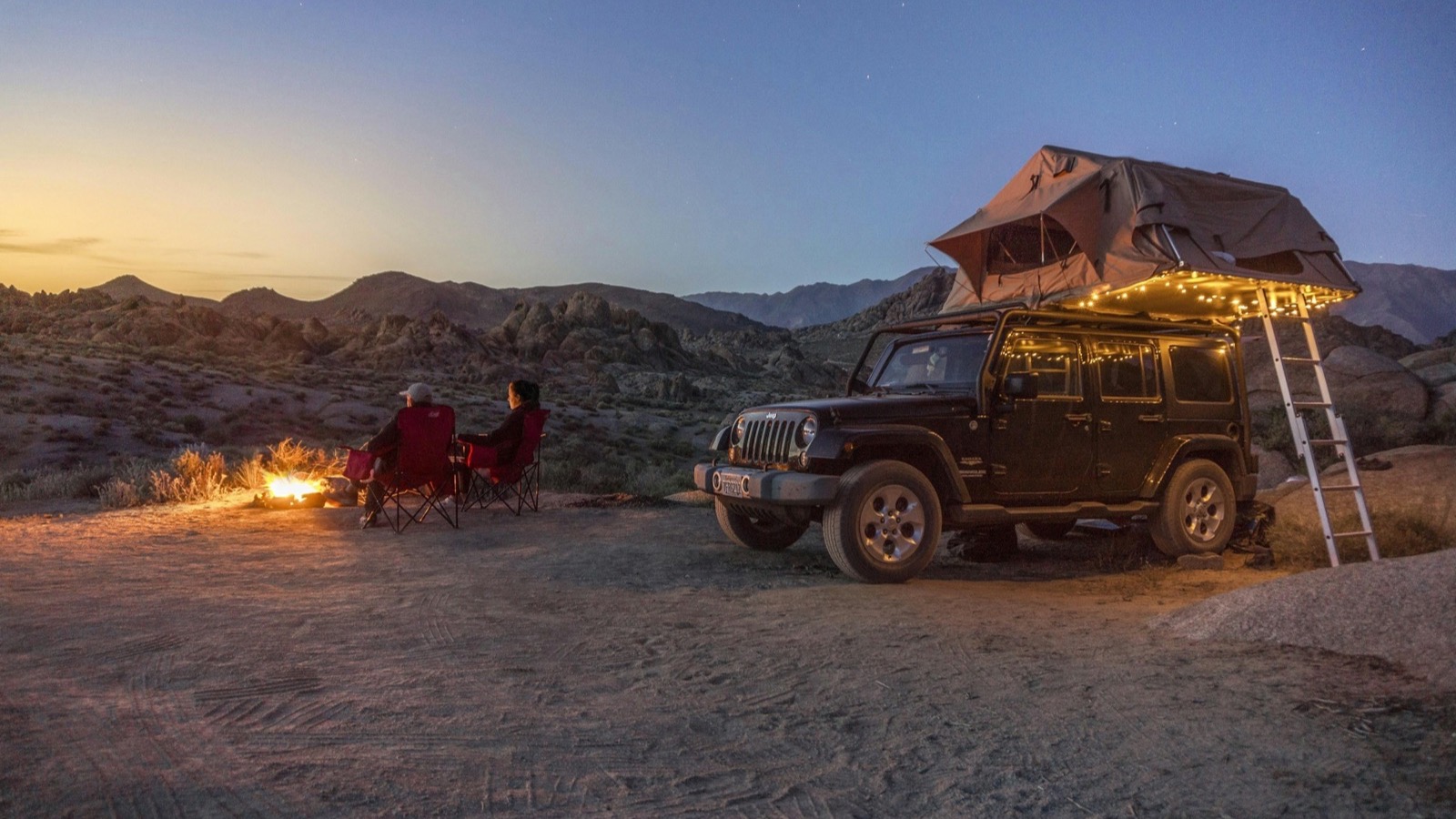 Photo: Stephan Widua / Unsplash
Food is easy to wing. Water is not. The standard rule for overland travel is one gallon of water per person per day for drinking, and you will want close to that again for cooking and cleaning up. Do the math for your group and your nights, then add a margin. Running out of water turns a fun weekend into a short one.
Keep the food dead simple. Something one-pot for dinner, something that needs no cooking for lunch on the trail, and more snacks than you think you need. You are not running a restaurant. You are feeding tired people who have been outside all day, and almost anything tastes incredible at camp.
Share your plan and leave margin
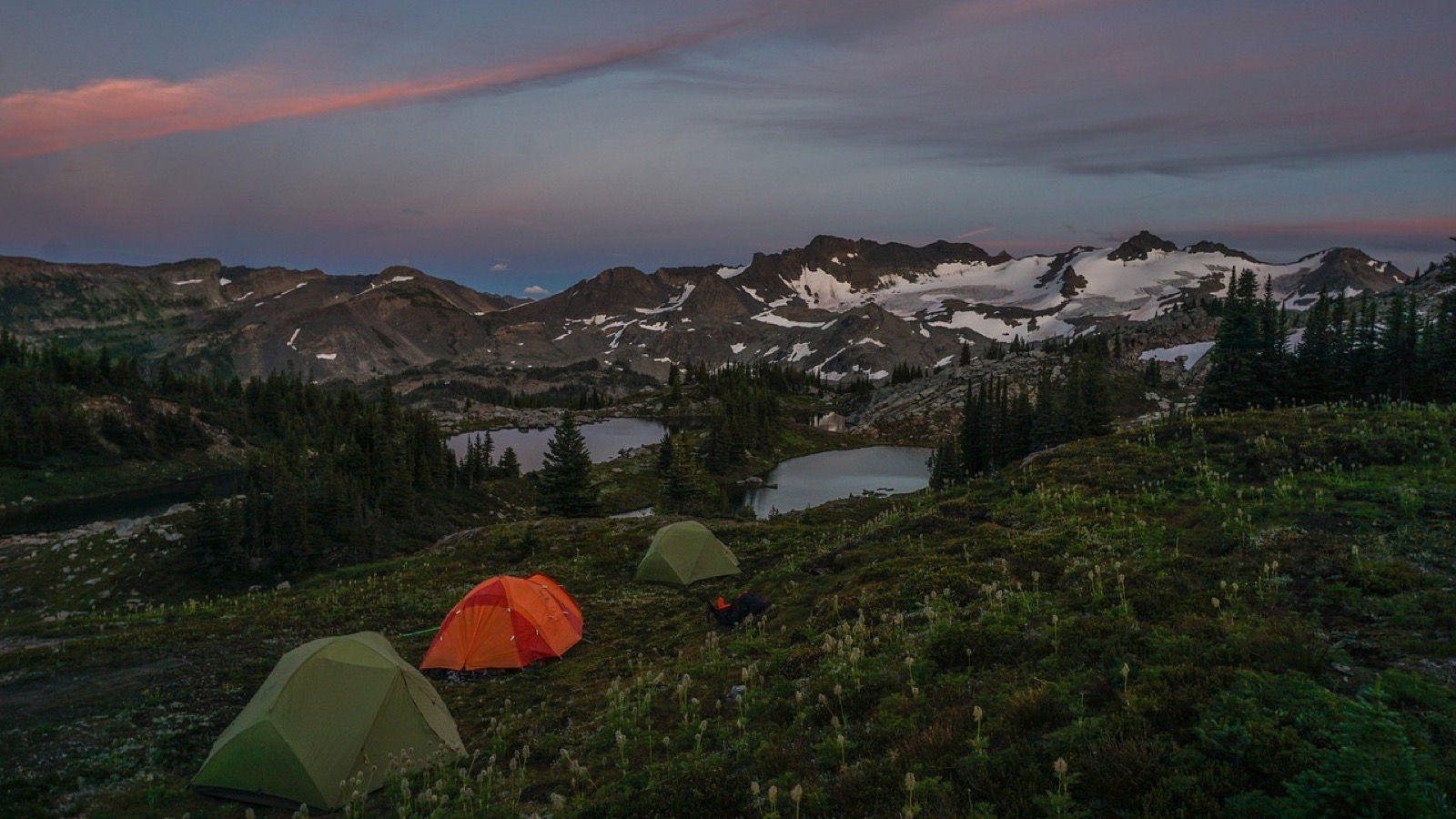 Photo: jkburton / Pixabay
Tell one person who is not going where you are headed and when you will be back. A two-line text with your general route and a return time is the cheapest insurance there is. Agree on what they should do if they do not hear from you by a certain hour. This costs nothing and it is the one habit that has actually saved people.
Then leave yourself margin. Do not plan a route so tight that one slow recovery or one wrong turn blows up the whole day. Build in daylight buffer, especially for the drive back to pavement. The trips that go wrong are almost always the ones with no slack in them.
Run this framework a few times and it stops feeling like planning at all. You will be packed and rolling on a Friday afternoon while everyone else is still arguing in the group chat about where to go. The best trip really is the one you actually take. Keep the bar low, get out often, and the big adventures take care of themselves. We will see you out there.
Hero photo: Chris Cordes / Unsplash