
If you only buy one piece of recovery gear, make it a set of traction boards. They are simple, they need no power, no anchor, and no second vehicle, and they solve the single most common way people get stuck, which is a wheel that has lost grip and spun itself into a hole. We have used them in deep sand, greasy clay mud, and packed snow, and they have earned a permanent spot in the kit. They are not magic, and there are real ways to ruin a set in about ten seconds. So here is the honest version of what they do, how to actually use them, and what separates a board that saves your day from one that turns into orange shrapnel.
How they actually work
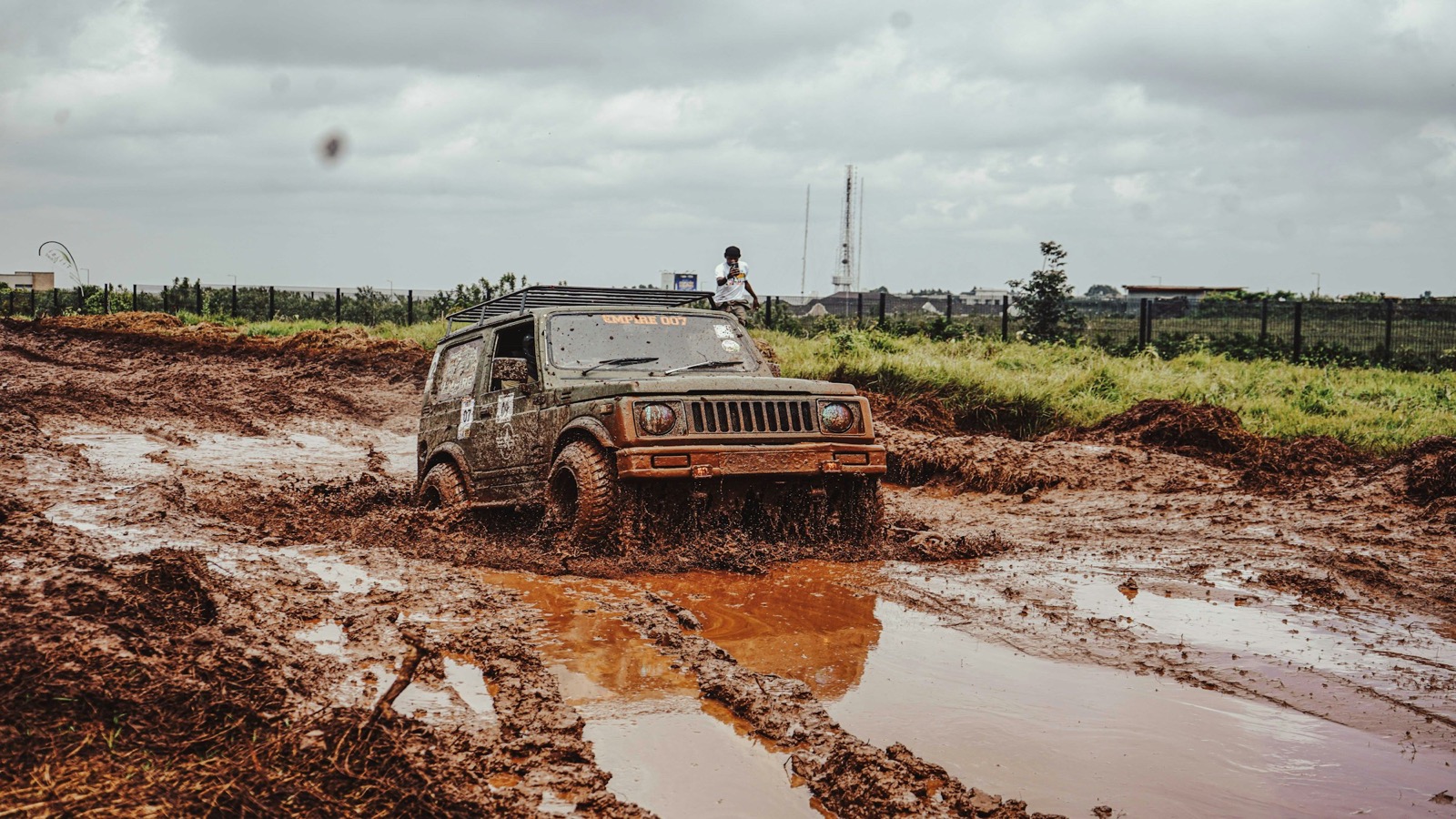 Photo: Brian Kungu / Unsplash
The concept is dead simple, which is most of the appeal. When a tire spins, it digs down and loses contact with anything solid. A traction board does two jobs at once. The molded teeth on the surface bite into your tire tread and give the rubber something to grab, and the long flat body spreads your weight across the soft surface so the wheel stops sinking and starts crawling forward instead. The leading edge is shaped like a ramp so the tire can climb up and out rather than just packing more sand under itself.
Most quality boards also have a flat, scoop shaped end you use as a small shovel to clear material away from the tire before you wedge the board in. That is the part people skip, and it is the part that matters most. You are not just sliding a board next to the tire and flooring it. You are rebuilding a path for the wheel to drive on.
When they really shine
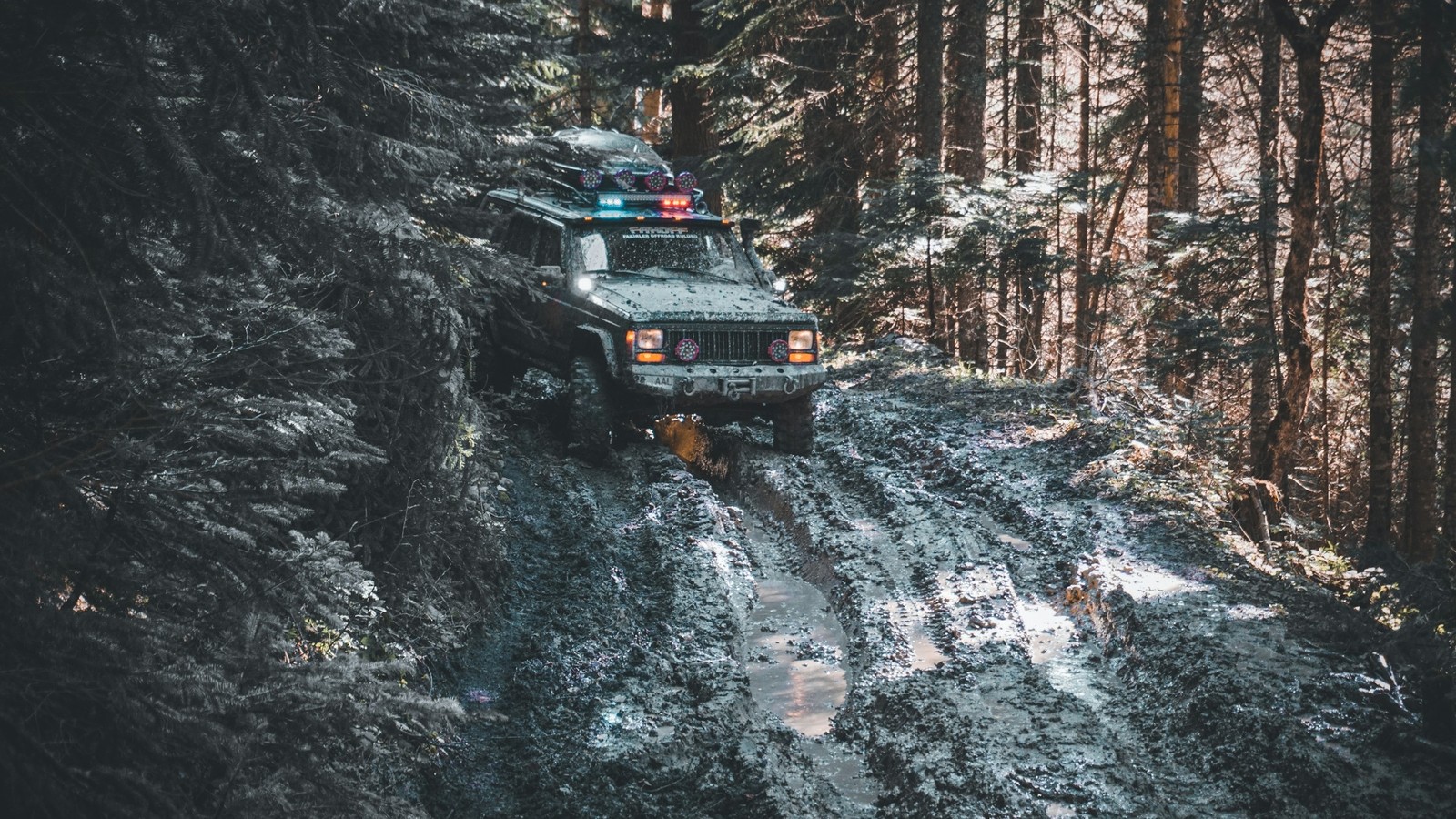 Photo: Rıdvan Yüksel / Unsplash
Boards are at their absolute best in soft, loose, single vehicle situations. Sand is the classic case. Air down, and most of the time you float right across. But the moment you stop on an upslope or dig a wheel in, a winch is useless because there is nothing to anchor to and no buddy in sight. That is board country. The same goes for snow over a hard base and the slick, greasy clay mud that coats a tire and turns it into a slick. In all three, the problem is grip, not brute force, and adding grip is exactly what a board does.
The other quiet superpower is self recovery. A lot of us wheel alone or in a single rig, and that rules out kinetic strap recoveries entirely. A pair of boards plus a way to air down covers the overwhelming majority of solo stucks without ever needing another truck. That independence is the real reason they live in everyone’s kit.
How to use them without melting the teeth
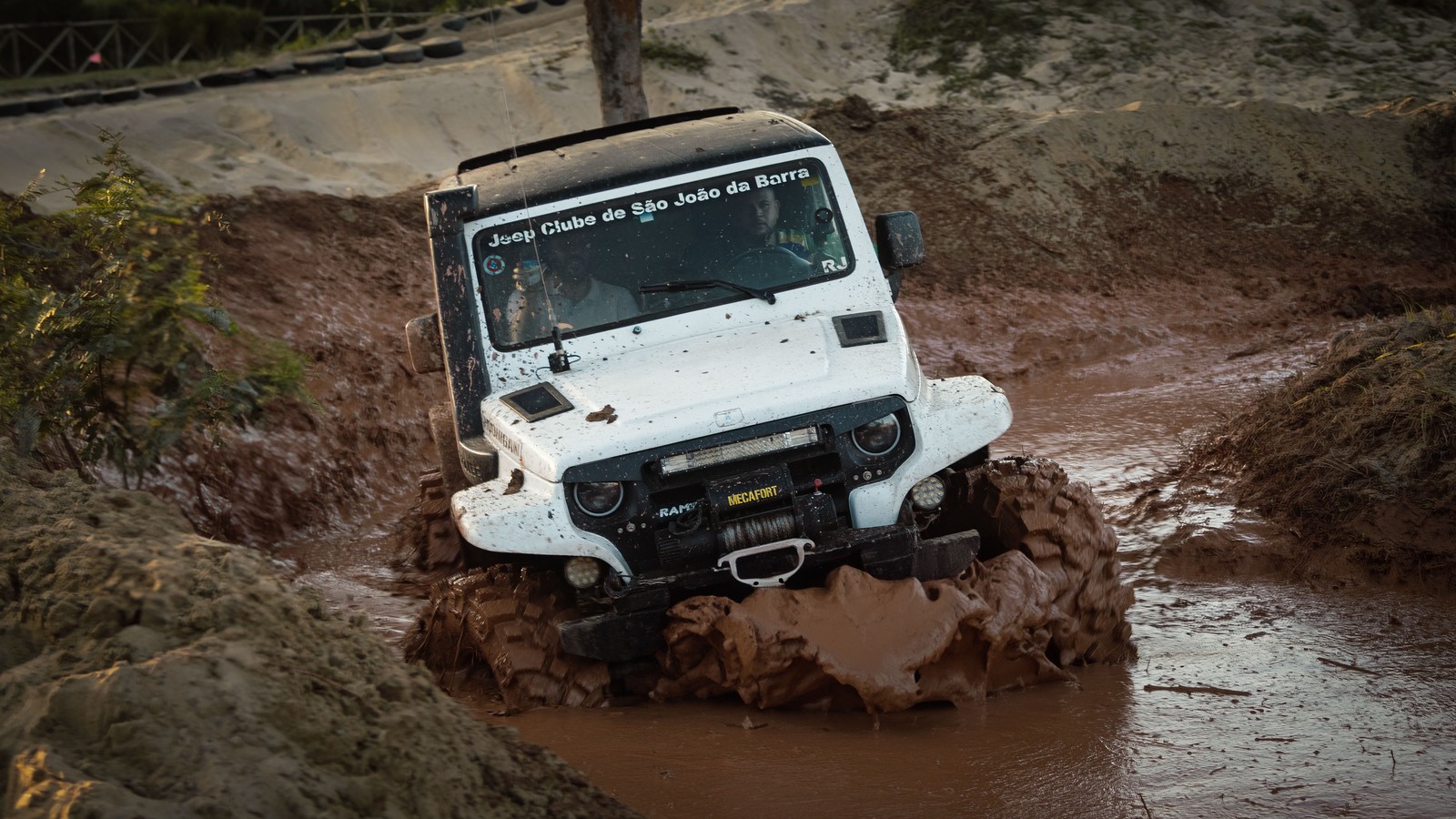 Photo: Wallace Silva / Pexels
This is where most people go wrong, so pay attention because it is the difference between driving out and destroying your boards. The steps are boring and they work. Clear the sand, mud, or snow from in front of the tire with the scoop end. Wedge the ramp tip firmly under the tread so the tire is already touching the teeth, not three inches away from them. Do both drive wheels. Then get in, put it in the lowest gear you have, and ease onto the throttle with the gentlest pressure you can manage.
Here is the rule that saves boards. Steady and slow, not a stomp. The instant you mash the throttle, the tire stops climbing the board and starts spinning on it, and a spinning tire generates real heat fast. That heat melts the plastic teeth flat, glazes the surface, and leaves you with a smooth orange ski that grips nothing. The boards are designed for your tire to interlock and roll over them at low speed, not to be polished by a spinning wheel. Keep your foot light until the rig is fully up and moving on solid ground, then keep rolling so you do not bog right back down. Plenty of people destroy a set the first weekend by treating throttle like the solution. It is not.
Stiff and bitey, or cheap and flexy
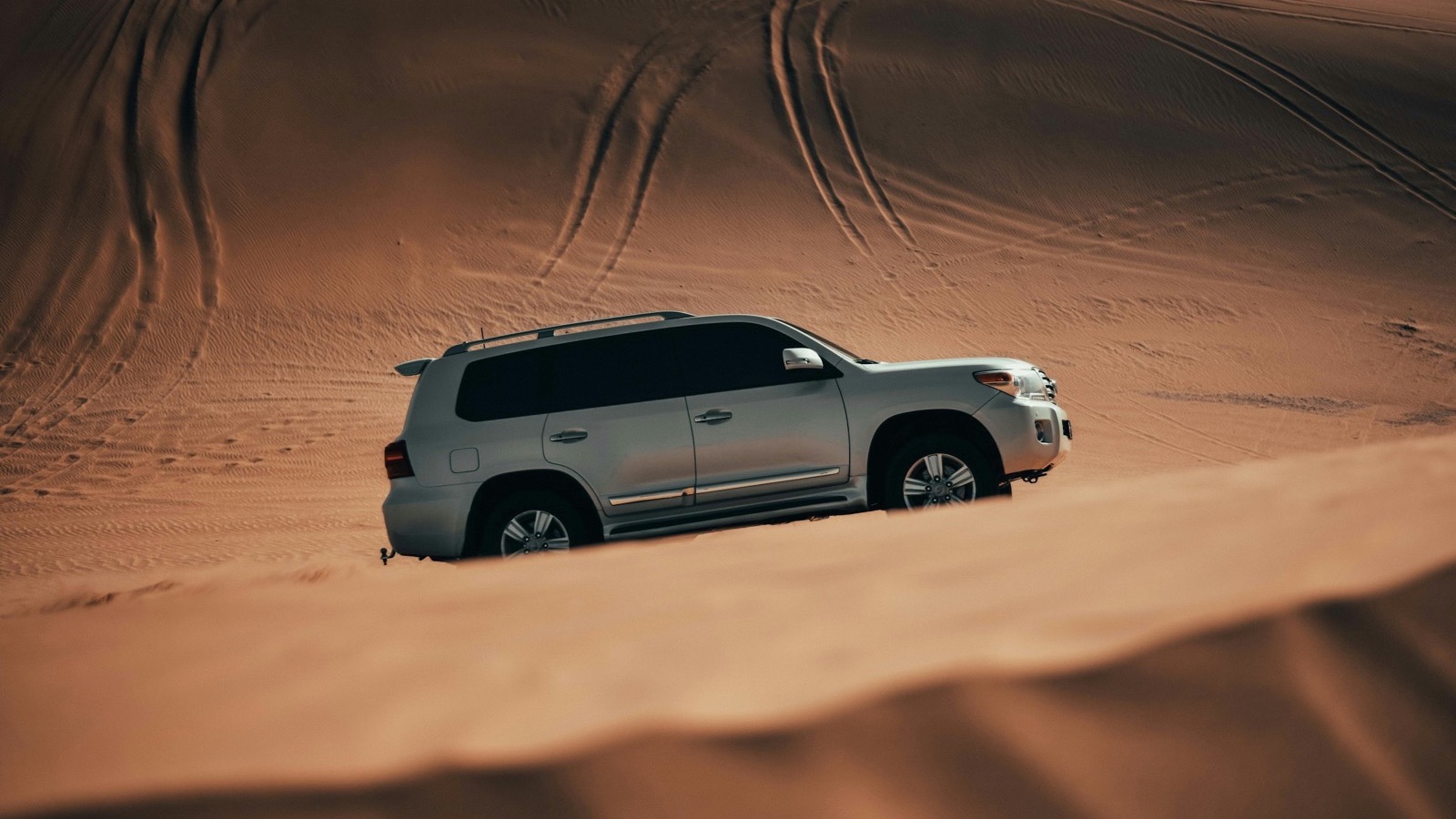 Photo: Daniel Jankovic / Unsplash
Boards look interchangeable in photos and they absolutely are not. The two things that decide whether a board works under a heavy rig are stiffness and the teeth. The premium players like Maxtrax injection mold their boards from fiber reinforced nylon that is UV stabilized so it survives years on a roof rack in the sun, and they build in longitudinal beams so the board barely flexes under a loaded tire. A board that flexes lets the tire push it into the soft stuff instead of climbing it, and a board that has cooked in the sun for two summers gets brittle and cracks.
Then there are the teeth. Cheap boards mold short, soft nubs that strip flat under the first serious wheelspin, which is precisely the failure mode that strands people. Better boards use taller, more aggressive molded teeth. The top tier, like the Maxtrax XTREME, goes a step further with anodized alloy teeth that are robotically inserted and over molded into the body, and the genuinely clever part is you can replace a damaged one with a Torx bit instead of throwing the whole board away. Reinforced nylon teeth on a stiff body is the sweet spot for most of us. Soft ABS nubs on a flexy board is the thing to walk away from, no matter how cheap the two pack looks online. You buy boards once if you buy the right ones, or three times if you chase the lowest price.
Mounting, storage, and the bulk problem
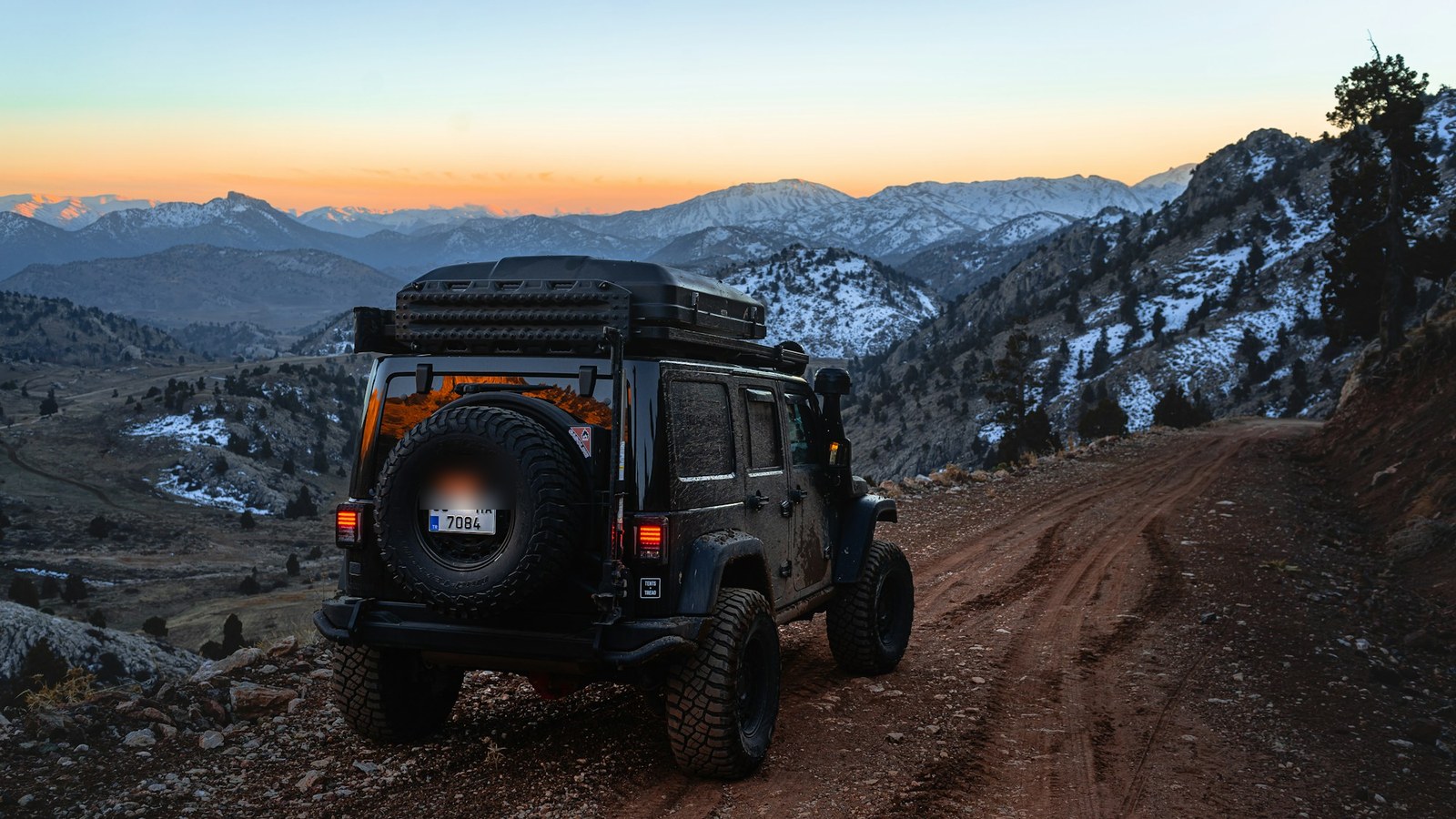 Photo: Thomas Tucker / Unsplash
The honest downside nobody mentions at purchase is that boards are big and awkward. A full size pair is roughly four feet long and does not tuck into a drawer. Sort out where they live before you buy, not after. Most people mount them flat on a roof rack with dedicated pins, stand them on a rear tire carrier, or strap them to a bed rack. Roof mounting keeps them out of the way but adds height and means a climb to grab them, which is annoying in the exact moment you need them fast. A rear or bed mount is quicker to reach. Whatever you choose, use a real mounting kit with locking pins, because a four foot orange board makes a tempting grab in a parking lot and an expensive launch off your roof at highway speed if it works loose.
If you run a smaller rig or just want them out of the weather, the mini versions exist for UTVs and crossovers and stash behind a seat. They give up some length and float but solve the storage headache for a lighter vehicle.
They do more than recoveries
A good set quietly earns its keep around camp too. Flip them over and they make solid leveling ramps to get a wheel up and your fridge sitting flat, which is reason enough to own them if you sleep in or on the rig. They also bridge small gaps, ruts, and ledges. Two boards laid end to end will carry a tire across a washout or a soft spot that would otherwise swallow a wheel. People stack them as a stable base under a jack on soft ground so the jack does not sink. None of this is the headline use, but it is the kind of everyday versatility that makes a bulky tool feel worth the space.
Where they fall short
Boards are not a winch and they are not a cure all. They will not drag you out of a deep hole where the frame is sitting on the ground and the tires are barely loaded, because the boards need weight on the tire to work. They struggle on steep climbs where gravity is fighting you the whole way up. They are slow and physical compared to a winch, since every recovery means kneeling in the muck, digging, wedging, driving a few feet, and often resetting and doing it again. And if you abuse the throttle even once, you can wreck a set in a single recovery. They cover the common stucks beautifully and leave the extreme ones to heavier gear. Knowing that boundary is what keeps you from over trusting them in a spot where you really needed a winch line and a tree.
The verdict
Traction boards are the highest value recovery purchase you can make, full stop. They handle the most common ways people get stuck, they work when you are alone, they need nothing but your own throttle control, and they double as ramps and bridges around camp. The catches are real but small. They are bulky, they demand a gentle right foot, and the cheap ones are a trap. Buy a stiff, UV stabilized board with aggressive, well anchored teeth, sort your mounting before you need it, and practice easing onto them once in a safe spot so the technique is muscle memory when it counts. Do that and you have covered the vast majority of trail trouble for a fraction of the cost, weight, and complexity of a winch.
Rating: 4.5 out of 5. A near essential piece of kit that loses half a point only because they are bulky to carry and unforgiving of a heavy throttle. Pair them with a way to air down and a basic recovery strap and you are ready for most of what the trail throws at you. We will see you out there.
Hero photo: 4Wheelhouse / Unsplash