
Most Moab trails let you off the hook somewhere. There is a bypass, a sneak line, a chicken route around the one obstacle that scares you. Pritchett Canyon does not work that way. The obstacles here have no easy way around, the rock is getting harder every year as the dirt washes out from under it, and the trail does not care how much you spent on your build. This is the one locals point to when a newcomer asks what the hardest trail in Moab is. It earns that answer.
It is also short, which is the cruel joke of the place. The hard part is barely four miles. People hear that and assume it is a quick morning. Then they spend most of a day winching, stacking rocks, and watching the rig in front of them get its passenger-side tires off the ground at Rock Pile. Here is the honest version of what Pritchett is, how you get on it, what waits for you in order, and the rig and mindset you need to come out the far side with your truck still drivable.
What Pritchett Canyon actually is
Pritchett Canyon is a point-to-point 4WD route that climbs a deep, steep-walled canyon on the southwest edge of Moab and crosses over a divide into the Hunter Canyon drainage. The hard, technical part runs roughly 4.2 miles through the canyon itself. That is the part everyone means when they say “Pritchett.” The catch is that once you top out, you are not back in town. You have to drive a long, rough connector route south and east to get back to US Highway 191, which adds something like 28 miles of bouncing dirt to the day. So a “four mile trail” is realistically a full-day commitment, often a long one.
The canyon sits in the rock-fin country of Behind the Rocks, and the eastern wall of the canyon forms the boundary of the Behind the Rocks Wilderness Study Area. That matters for more than scenery, which we will get to under the rules section, but the short version is: the designated route is the only route, and the country to your left as you climb is off limits to vehicles. Pritchett was named a BFGoodrich Outstanding Trail back in 2008, and it has the reputation to match. It is one of those trails people build a whole rig around running.
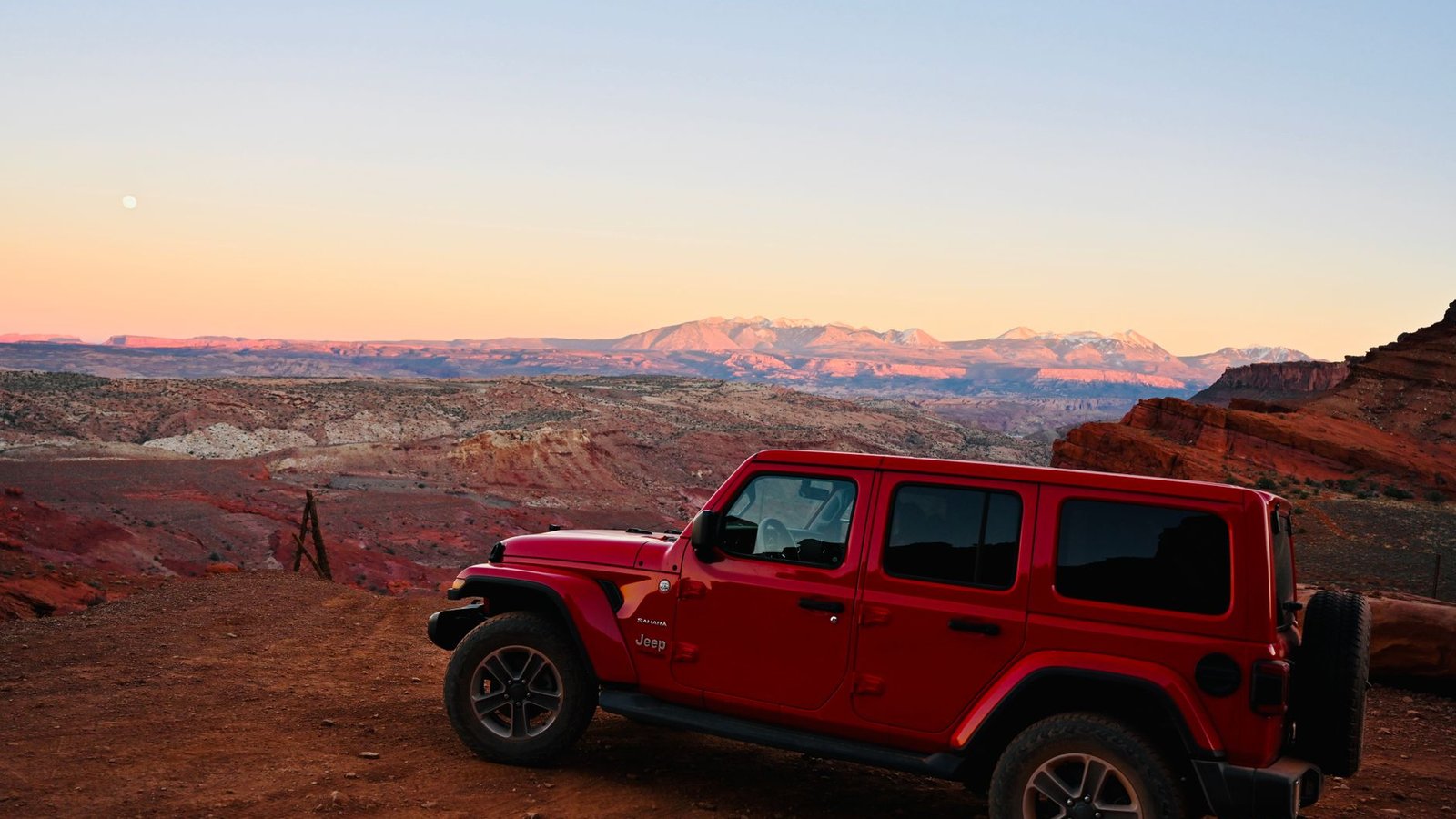 Photo: Francisco Jaramillo / Pexels
The difficulty is not hype. The obstacles have grown more severe over the years as erosion eats the dirt out from under the ledges, leaving taller, sharper, more undercut bedrock steps. Trail databases and the local clubs who maintain it are blunt about it: even a well-equipped, well-driven rig can have real trouble here, broken parts and rollovers are common, and most groups will need a winch or a strap on at least a couple of obstacles. If your idea of a hard trail is one good ledge with a clean bypass, recalibrate before you come here.
Getting there and the private gate
Access is easy to find, which is part of why so many under-built rigs end up at the gate. From US Highway 191 on the south side of Moab, turn west onto Kane Creek Boulevard at the McDonald’s. Follow Kane Creek for roughly two and a half miles. The signed entrance to Pritchett Canyon is on your left, with a large designated staging area near the start where you air down and get your group sorted.
Here is the part that surprises people: the trail starts by crossing private land. There is a self-pay fee box and a sign-in at the entrance, and you pay to cross onto the route. Treat the fee box as cash-only and bring small bills, because there is nobody to make change and the box is on the honor system. The posted amount has changed over the years and is set by the landowner, not by the BLM, so confirm the current price on the sign at the gate rather than trusting an old number off the internet. Pay it. The continued access through that private parcel is the only reason the rest of us get to run this trail at all, and a stiffed fee box is exactly how trails get gated for good.
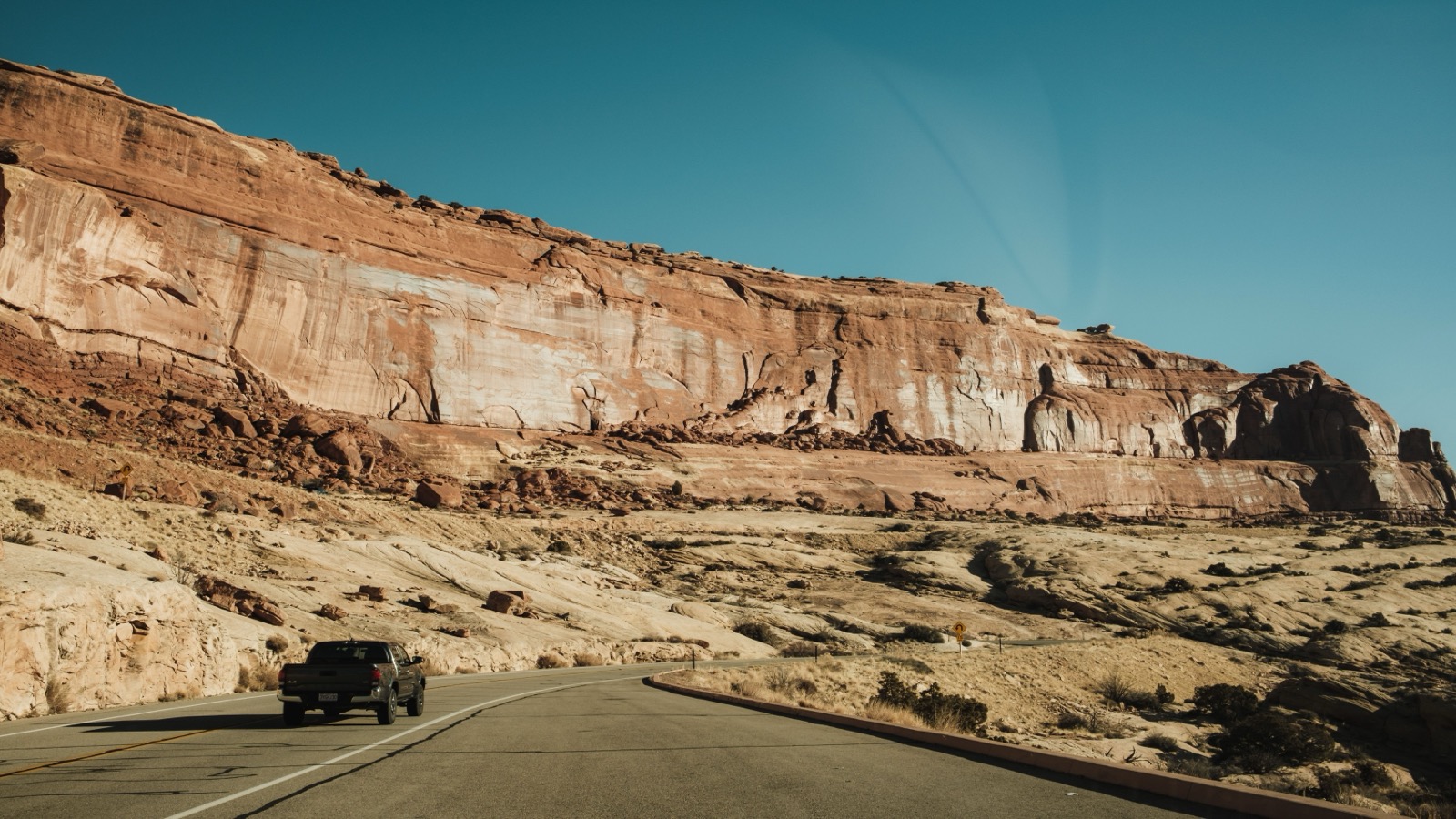 Photo: Airam Dato-on / Pexels
Once you are through the gate and into the canyon proper, you are back on BLM land for the bulk of the route. You do not need a separate permit to drive the trail, but you do need to stay on it.
The obstacles, in order
This is the heart of Pritchett, and the order matters, because the trail front-loads a couple of nasty surprises and saves some of its worst for the top. Run it with a group, a spotter, and a plan for each one. Nobody good runs Pritchett solo.
The first descent. Just a few hundred yards in, the trail drops down a ledgy downhill that got bad enough that Grand County once graded it with heavy equipment. It has been eroding back to its old self ever since, so take the descent seriously. Keep in mind it is a descent on the way in, which means it would be a brutal climb if you ever had to turn around and come back out this way. You generally do not, but it sets the tone.
The Brickyard. Past a small mud hole fed by a seasonal spring, the trail drops into the drainage and you face the climb back out, known as the Brickyard. There are several lines and none of them are easy. This is your warm-up, and it is already harder than the crux of a lot of other Moab trails.
Chewy Hill. Once a graded dugway, Chewy Hill has eroded into a slick, badly off-camber climb stacked with medium-to-large ledges you simply have to drive up. Off-camber is the recurring theme of this trail, and Chewy is where it first really gets in your head. This is a named winch point for a reason.
The Waterfall (optional) and the approach to Rocker Knocker. As you near Rocker Knocker there is a sizable slickrock area, and off to the right an optional obstacle called The Waterfall that gets tricky when there is any water in it. The optional stuff here is genuinely optional, so know your rig and your nerve before you take a side challenge on a trail that will already test both.
Rocker Knocker. This is the one people know by name. It is a double ledge that demands a perfect line, and a clean climb will usually push a rig right to the edge of tipping over. When it is wet it goes from very hard to next to impossible. Broken parts and tip-overs are common here, the anchor point has been bent and pulled before, and it is another posted winch point. Spot it carefully, pick your line off the truck, and have your recovery gear ready before you commit.
The staircase. A little farther up is an unnamed obstacle that looks like a thirty-foot-wide staircase, a series of big ledges that has claimed a long list of axle shafts and driveline parts. Tip-overs are possible. There is a bypass to the left, but it is not free, it forces you over a large rock that can easily put body damage into your rig. Pick your poison.
Axle Hill. Just up the trail, Axle Hill starts in the wash bottom and climbs out in two stages. The first part is very slippery and is the site of many rollovers. The second part is steep, ledgy, and off-camber. The name is not a suggestion. This is another named winch point and another place to slow down and spot every rig through.
Rock Pile. The famous one. Rock Pile is roughly an eight-foot ledge that, in the old days, had rocks stacked two-thirds of the way up just to make it climbable. Those rocks are gone now, and the bare ledge regularly beats some of the best-built rigs in Moab. There is a bypass that locals call Son of Rock Pile, but it needs constant rock stacking and may still require a winch line. Recent trail reports note Rock Pile is getting more undercut and dug out every season, claiming multiple rigs in a single day, with a solid anchor point highly recommended. Plan to spend real time here.
Yellow Hill. The last major obstacle, where the road reaches for the canyon top up a very uneven, slippery ledge of multicolored rock. Caution is everything here, because a single flop on Yellow Hill can roll into a multiple-roll situation given the terrain. It is a fitting final exam, and it too is a posted winch point.
Top out of Yellow Hill and you have run Pritchett Canyon. From here your trip leader picks the way home, and the easiest option is a long, moderate, very bumpy road back toward US Highway 191.
What you will see up there
It would be a shame to spend a day staring only at your tires, because Pritchett is genuinely beautiful. The canyon is deep and steep-walled, with big side-canyon pour-offs and a creek bottom dotted with pools.
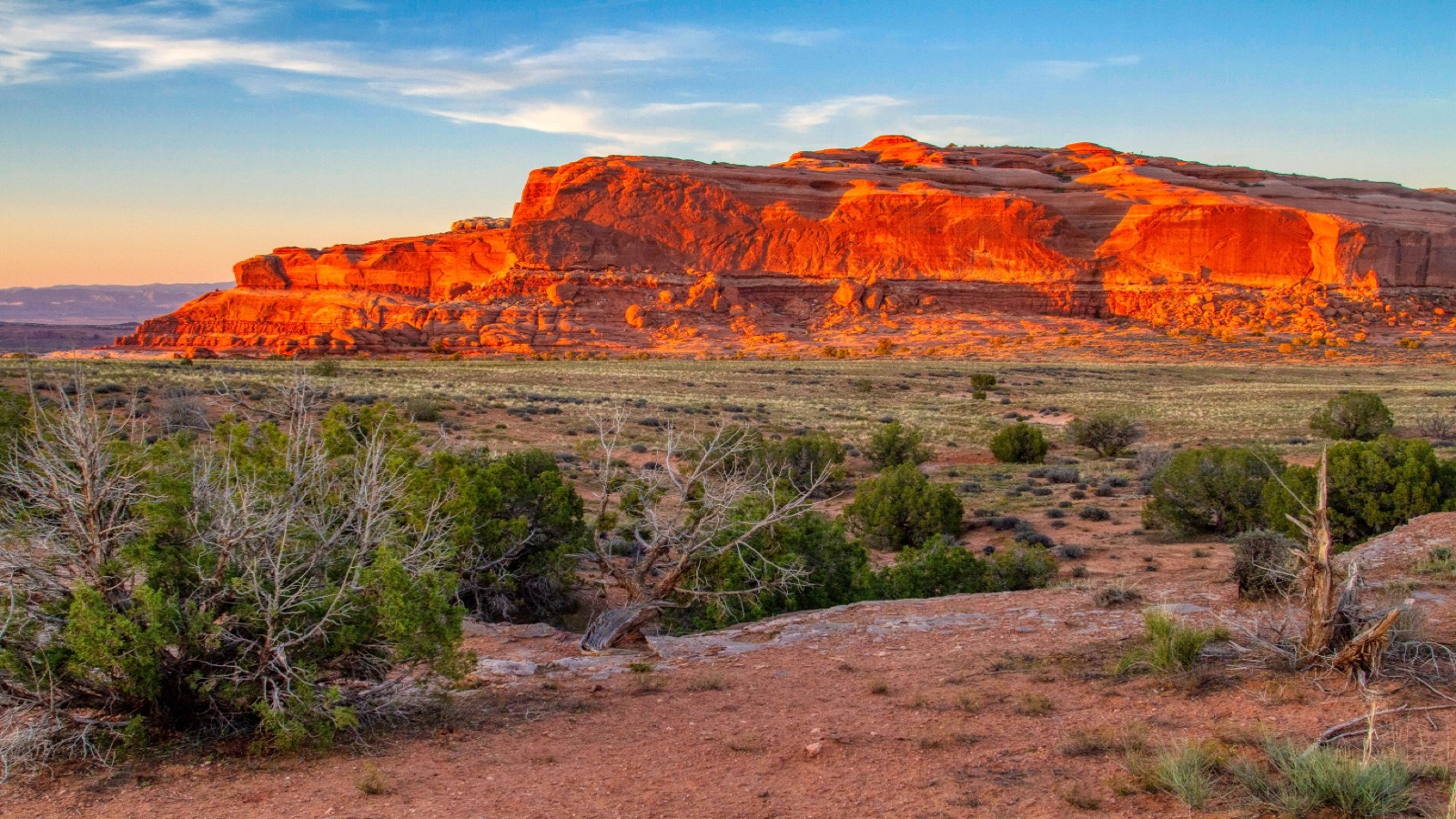 Photo: Mick Haupt / Pexels
Pritchett Arch, Window Arch, and a handful of smaller spans are visible from the trail, and the canyon’s east wall is the edge of the Behind the Rocks fin country, some of the most striking sandstone in the Moab area. If you have the group and the daylight, the hike to Pritchett Arch is worth the stop.
Photo: Mick Haupt / Pexels
Pritchett Arch, Window Arch, and a handful of smaller spans are visible from the trail, and the canyon’s east wall is the edge of the Behind the Rocks fin country, some of the most striking sandstone in the Moab area. If you have the group and the daylight, the hike to Pritchett Arch is worth the stop.
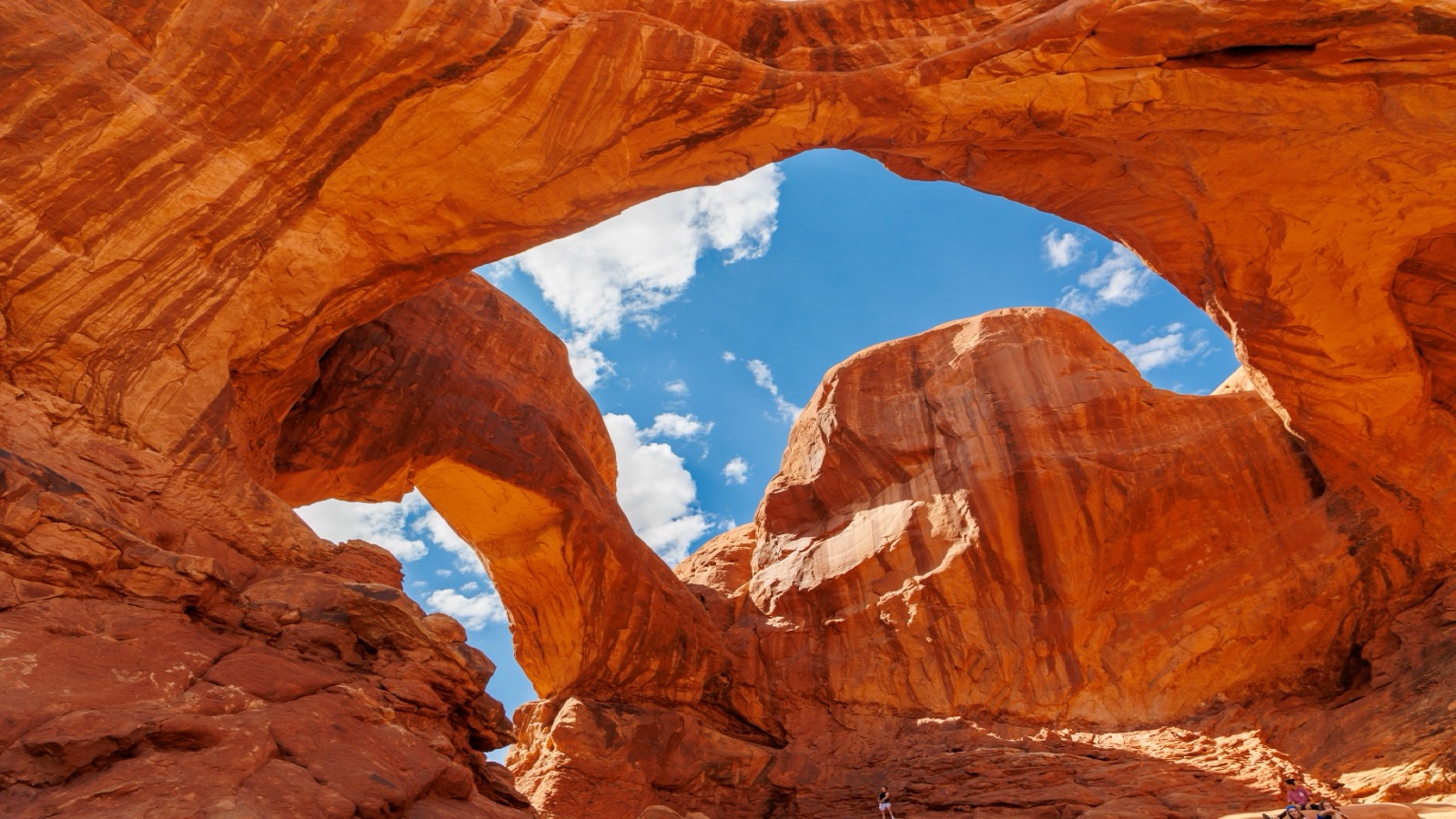 Photo: Igor Passchier / Pexels
The rig you actually need
Be honest with yourself here, because this trail is honest with you. The local guidance and the trail databases line up on the minimums, and they are steep:
- Tires: big, with 37-inch tires generally cited as the practical minimum for this trail. Smaller than that and you are stacking rocks at every obstacle.
- Lockers: front and rear, not optional. A single locker rig will struggle.
- Winch: yes, and a working one with proper recovery gear, anchor straps, and a tree saver or rock anchor kit. Most groups use it on at least a couple of obstacles, and the natural anchor points are getting beat up, so come self-sufficient.
- Armor and clearance: real skid plates, rockers, and diff protection. The bedrock ledges punish low-hanging anything.
- Build attitude: this is a trail for big, customized, hard-core rigs and experienced drivers. A note that comes straight from the people who maintain it: ATV and dirt-bike riders should seriously question whether their machine belongs here at all.
One more honest note about lift. A tall, heavily lifted rig is not automatically the right tool here. The many off-camber spots on Pritchett make a high center of gravity feel genuinely dangerous, and a lot of lift can make the trail more harrowing, not less. A well-built, lower-slung crawler with good geometry will often have a calmer day than a sky-high build.
Permits, fees, and the rules that keep it open
You do not need a special permit to drive Pritchett Canyon, but a few rules are non-negotiable:
- Pay the gate fee. The trail starts across private land with a self-pay box at the entrance. Pay it in cash, every rig, every time. This access is a privilege the landowner extends, and it can be revoked.
- Stay on the designated route. The east side of the canyon is the Behind the Rocks Wilderness Study Area. Driving off the route there is not just rude, it is the kind of thing that gets a whole trail closed. Do not create new bypasses or stack new obstacles, even at the hard spots. The local club that maintains the trail spends real hours every year repairing damage from people who could not resist.
- Pack it out. This is BLM red-rock country with limited facilities. Where developed facilities are not available, solid human waste should be packed out in approved waste bags, per Moab’s own guidance. Pack out every scrap of trash, yours and anyone else’s.
Treat the maintenance crews and the landowner the way you would want to be treated, and Pritchett stays open for the next group.
Best season and weather
Run Pritchett in spring (March through May) or fall (September through October). Those are the windows with workable temperatures and the best odds of dry rock. Avoid mid-summer unless you are ready for 100-plus-degree heat and the dehydration risk that comes with a slow, all-day trail where you are out of the truck constantly.
Water is the other variable. The canyon is often wet, with a seasonal spring and a pool-speckled creek bottom, and wet rock changes everything on this trail. Rocker Knocker goes from very hard to nearly impossible when it is wet, and the off-camber climbs get genuinely treacherous. Check conditions, and if rain has rolled through, give it time to dry or pick a different day.
Run it right
Pritchett Canyon is the trail that separates a built rig from a serious one, and a confident driver from an experienced one. It is short, it is brutal, it has no easy outs, and it sits right on the edge of town so the consequences of getting in over your head are at least walkable. Bring 37s, two lockers, a winch, armor, a group, and the humility to spot every obstacle. Pay the gate, stay on the line, pack it out, and respect the country and the people who keep it open. Do that, and you get to say you ran the hardest trail in Moab, with the truck to prove it.

Hero photo: Francisco Jaramillo / Pexels