
Table Mesa is where Phoenix goes to wheel. It sits about 42 miles north of downtown, an easy run up I-17, and on any cool-season weekend the desert out there fills up with Jeeps, side-by-sides, dirt bikes, rock buggies, and families towing trailers full of quads. This is not a remote, permit-gated wilderness trail. It is a giant, free, BLM-managed Sonoran desert sandbox where you can spend a morning cruising washboard roads through the saguaros or spend the whole day breaking parts on some of the gnarliest rock in central Arizona. Both are completely valid here.
That range is exactly the thing to understand before you go. Table Mesa is an area, not a single trail, and “the difficulty” depends entirely on which line you pick. The main access road is so mild a stock Gladiator runs it without ever shifting into 4-low. Turn off onto the wrong unmarked spur and you are suddenly staring at a ledge that eats stock bumpers for lunch. Here is the honest version of Table Mesa: what it actually is, how to get on it, the lines from gentle to brutal, the rig you need for each, the rules that keep it open, and the season that keeps you alive.
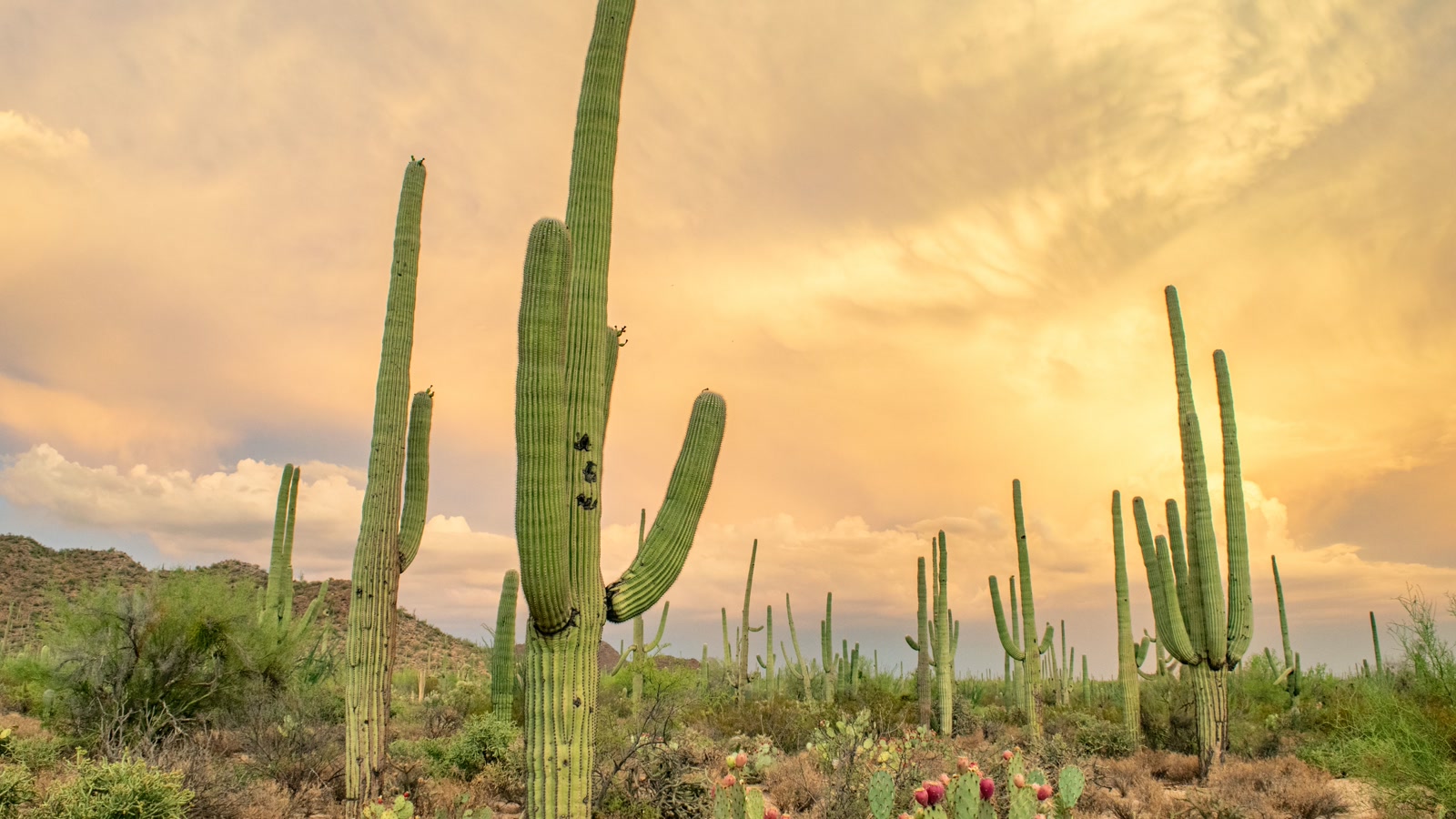 Photo: Nate Hovee / Pexels
What Table Mesa actually is
Table Mesa Recreation Area is roughly 11,557 acres of public land managed by the BLM’s Hassayampa Field Office, part of the Phoenix District. It sits on the west side of Interstate 17 in the desert valley and foothills between New River and Black Canyon City, with the Agua Fria River cutting through the area. In February 2024 the BLM released a recreation and travel management plan that designates an 85-mile network of roads and trails across the area, which gives you a sense of the scale. You are not running one route here. You are picking your way through a web of them.
The terrain is classic lower Sonoran desert: tan washes, rolling foothills, dry riverbeds, and stands of saguaro, palo verde, and creosote. It is not red-rock Moab slickrock and it is not high-country pine. It is open desert, and on a clear winter day with the light low it is genuinely beautiful. You are also never very far from the freeway, which is part of why it is so popular. It is the closest serious off-road playground to the entire Phoenix metro.
The area gets used hard and by everyone. The same square mile hosts beginner OHV training loops, full-size 4x4 exploring, dispersed campers, and dedicated recreational target shooters. That mix is the charm and the catch, and we will get to the catch.
How to get there and where to stage
Getting in is dead simple. From Phoenix, head north on I-17 and take Exit 236. Turn onto West Table Mesa Road heading west, away from the freeway. (East of the interstate is New River Road, sometimes called East Table Mesa Road. Both connect to the area, but the recreation area itself is the west side.)
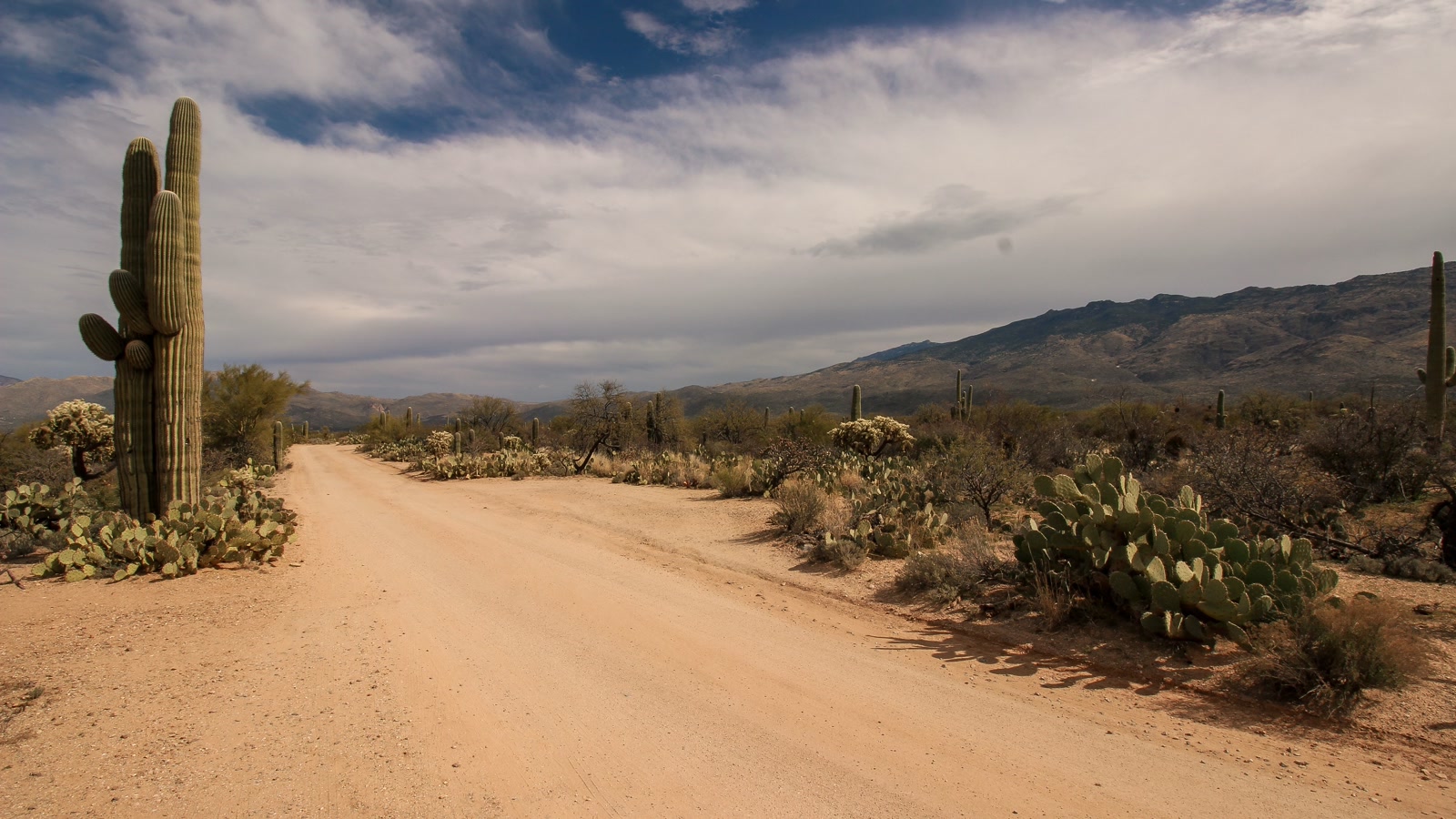 Photo: Tapas S / Pexels
The natural base of operations is the Little Pan Staging Area. From Exit 236, turn left on Table Mesa Road, turn right after about 500 feet to stay on Table Mesa Road, then follow the main road north for roughly 2.5 miles, take the left at the first fork and the right at the second. The staging area sits at about 34.0039, -112.1614. It has primitive camping, two accessible vault toilets, information kiosks, and two OHV training areas, which makes it the best spot to unload, air down, and figure out your day. There is no fee to camp.
Air down at the staging area before you head out. The washboard roads and rocky spurs both ride far better with the pressure dropped, and it is the right habit anywhere in the desert.
The lines, from mild to wild
This is the part that trips people up, so read it carefully. Table Mesa offers everything from a Sunday-drive gravel road to vehicle-bending rock crawls, and the names matter.
Table Mesa Road (the easy way in)
West Table Mesa Road itself is the primary access route and the gentlest thing out here. onX lists it at about 4.3 miles and rates it easy, and that is fair. It is a wide, mostly washboard gravel road with the occasional rut or washout after weather. A stock high-clearance vehicle, or honestly most any vehicle driven with sense, handles it. If you just want to cruise the desert, see saguaros, and maybe find a quiet dispersed camp spot, this is your route. It is also the trailhead Jeep folks chase for the Badge of Honor associated with Table Mesa Road.
The middle ground
Branch off the main road and the difficulty climbs fast. Spurs toward features like the Little Grand Canyon trail start easy and then get rough in a hurry. More than one driver has reported a mild road turning into a high-clearance-only descent where you do not want to be solo. This is the Table Mesa pattern: the surface can change from boring to serious within a few hundred yards, and the map does not always warn you. If you wander off the maintained road, treat every blind drop as a get-out-and-look situation.
The rock crawls (Terminator, Predator, The Notch)
Then there is the other end of the spectrum. Several zones inside the recreation area are dedicated technical rock-crawling lines with reputations to match: Terminator, Predator, and The Notch. These are not “moderate with a hard option.” These are built-rig obstacles that bend metal and break drivetrains, the kind of place buggies and heavily modified Jeeps go specifically to test themselves. If you are in a stock or mildly built vehicle, go watch, do not go drive. Knowing these exist, and knowing they are clearly not the access road, is the single most important thing to understand about Table Mesa’s difficulty. The area honestly spans Easy to Extreme depending on the turn you take.
Because the area is rated honestly only by line and not as a whole, we list it as Moderate overall: most visitors run the easy-to-moderate roads and spurs, with the famous hard stuff sitting there as an optional, well-known step up for people who came specifically for it.
Landmarks and the Agua Fria
The Agua Fria River runs through the area, and there are crossings depending on water level and season. It is usually a trickle or dry, but desert rivers flash, so never push into running water you cannot read. Beyond the river, the rewards out here are the desert itself: long saguaro-lined views, foothills, and the kind of wide-open quiet that is hard to believe is 45 minutes from a major city.
One seasonal note that catches people: portions of the area near the river close annually for bald eagle breeding season, and the gate down to the river has historically stayed shut into mid-June. If the river access matters to your plan, check the current closure status with the Hassayampa Field Office before you drive out.
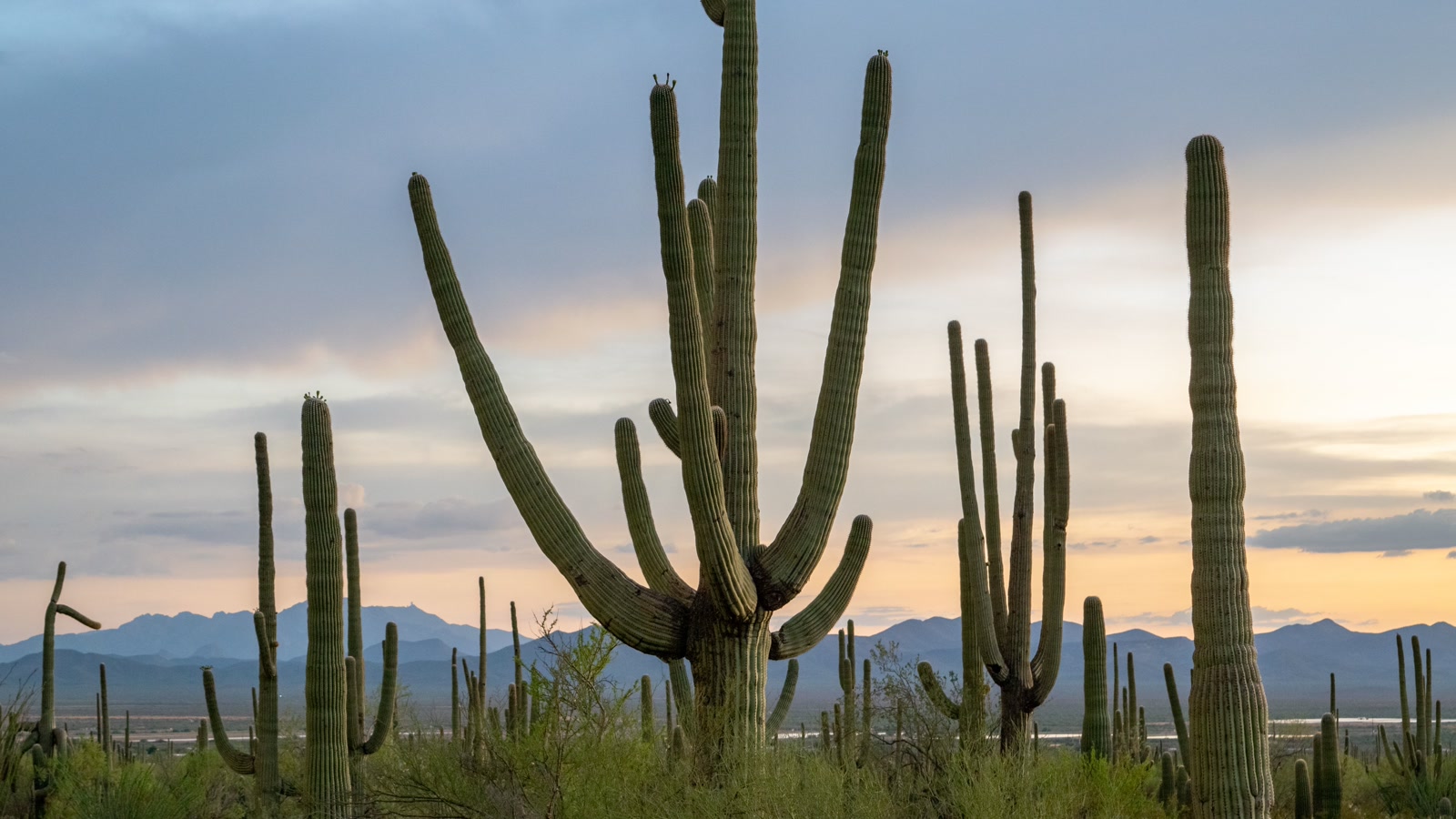 Photo: Nate Hovee / Pexels
The rig you actually need
It depends entirely on your plan, so be honest with yourself about which Table Mesa you are going for.
For the main road and the gentler exploring, a stock high-clearance 4x4 or even a capable crossover driven sensibly is plenty. Bring recovery basics: traction boards, a tow strap, a way to air back up, and water.
For the rougher spurs, you want real high clearance, 4-low, decent all-terrain or mud-terrain tires, and ideally not to be alone. The reports of people nearly failing to climb back out of a wash with a locker engaged are not exaggerations. Solo in the rough stuff is how a fun afternoon becomes a long, hot walk.
For Terminator, Predator, and The Notch, you need a built rig: lockers front and rear, 35s or bigger, real armor, a winch, and the experience to use all of it. If you have to ask whether your rig is ready for those, it is not. Go spot, learn the lines, and come back when you have the build and the crew.
Universal kit for everyone, every time: more water than you think you need, sun protection, a full-size spare, recovery gear, and a charged phone. Cell coverage is decent near the freeway and gets spotty as you push west, so tell someone your plan.
Permits, decals, shooting, and the rules
Table Mesa is free. There is no entrance fee and no camping fee at the staging area. But there is one rule that surprises out-of-state visitors: any off-highway vehicle operated on Arizona public and state trust lands must display a current Arizona OHV decal. That applies to the quads, side-by-sides, and dirt bikes. Get the decal squared away before you ride.
Recreational target shooting is allowed in parts of the recreation area, and Table Mesa is genuinely popular with shooters. This is the catch we flagged earlier. The shooting is legal where it is allowed, but the reality on the ground is that some spots get treated as a dump, with trash, shot-up junk, and shell casings left behind, and you will be sharing the desert with people sending rounds downrange. Stay aware of what is over the next rise, do not drive blindly toward the sound of gunfire, keep kids and dogs close, and never set up to shoot toward a road, a wash people drive, or any structure or livestock. If you pack it in, pack it out. The trashing of this place is exactly what threatens access, and the BLM’s ongoing management planning is partly a response to it.
Stay on designated routes. The 2024 travel plan exists to sort out which routes are open, and cutting new lines across the desert or blasting through closed areas is how good areas get gates.
Best season and the desert heat
This is not negotiable, so plan around it. Table Mesa is a cool-season destination, roughly October through April. Winter is prime: cool days, low desert light, and comfortable camping. Spring and fall are pleasant on the shoulders.
Summer is the opposite of fun. This is low Sonoran desert north of Phoenix, and daytime highs from late spring through early fall regularly run brutally hot, well into triple digits. Heat like that is not just uncomfortable, it is dangerous, especially if you break down in the rough stuff with no shade and limited water. Add monsoon-season flash flooding in the washes from roughly July into September and the summer math gets worse. If you must go in the warm months, go at dawn, get out by mid-morning, and carry far more water than seems reasonable.
Stewardship: don’t be why it gets gated
Table Mesa is a rare thing: a huge, free, genuinely capable off-road area sitting right next to a giant city. That accessibility is also its fragility. It gets loved hard, and the trash, the dumping, and the off-route damage are real problems that have put it under active management review. The way you keep a place like this open is boring and simple. Stay on designated routes. Pack out everything, including other people’s brass and broken glass if you have room. Tread Lightly. Respect the seasonal closures. Don’t be the reason the next management plan adds a gate.
Run it right and Table Mesa gives Phoenix-area drivers something most metros would kill for: real desert, real challenge, and a free tank of fun a freeway exit away.
Hero photo: Nate Hovee / Pexels