
There is a specific kind of quiet you only find three trailheads deep, where the only sound is your fridge cycling and the wind moving through the pinyon. Getting there is the easy part. Staying comfortable, fed, and self-sufficient for three nights without a hardware store within 60 miles is where the packing list earns its keep.
A 3-night trail camp is the sweet spot of overlanding. It is long enough to actually decompress and far enough out that you have to be genuinely self-reliant, but short enough that you are not hauling a month of supplies. Get the kit dialed for three nights and you can stretch it to a week without rethinking the whole system.
This is the checklist we actually run, broken into the categories that matter, with the reasoning behind each so you can adapt it to your rig and your terrain instead of blindly copying a list. Read it, build your own version, and print the short list at the bottom for the night before you roll out.
1. Shelter and Sleep System
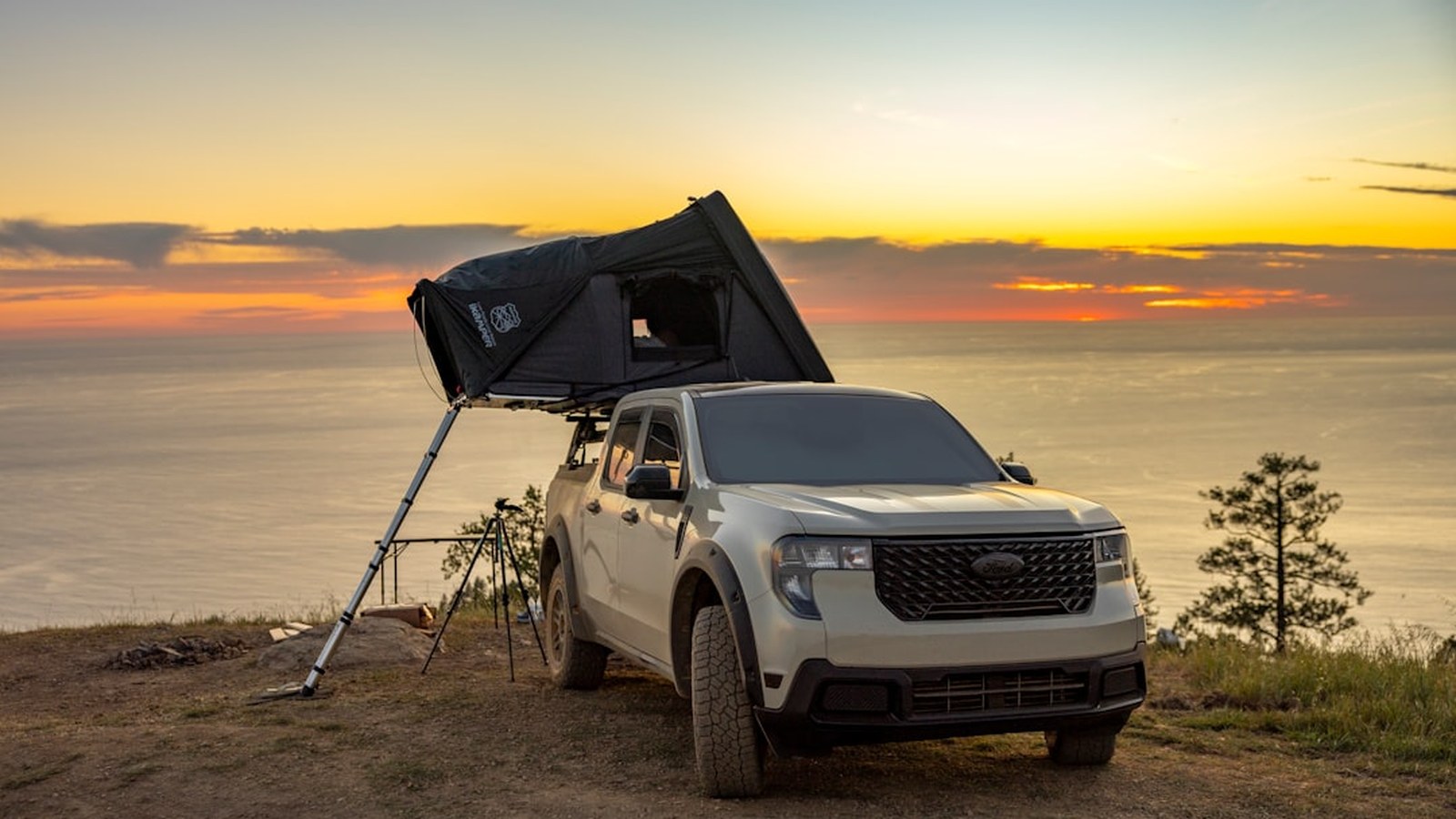 Photo: Leo_Visions / Unsplash
Bad sleep wrecks a trip faster than anything short of a broken axle. This is the one category where cheaping out costs you the most, because a rough night compounds over three days.
Your shelter is either a rooftop tent, a ground tent, or a sleep platform in the rig. Rooftop tents win on speed and staying off cold or wet ground, and they let you level the vehicle instead of hunting for a flat patch of dirt. Ground tents win on cost, headroom, and not having to break camp every time you want to move the truck. There is no universal right answer, only the right answer for your terrain and how much you move camp. If you are curious which fits your setup, we broke the whole debate down in our rooftop tent vs ground tent guide.
The sleep system underneath matters as much as the shelter. Checklist:
- Tent, rooftop or ground, with all poles, stakes, and guylines
- Sleeping bag rated at least 10 to 15 degrees below the coldest night you expect. Temperature ratings are survival ratings, not comfort ratings, so build in margin
- Insulated sleeping pad or a quality mattress. Ground tents especially lose heat downward, and an R-value pad is what actually keeps you warm
- Pillow, or a stuff sack you can pack with a jacket
- Extra blanket. High-desert and alpine nights drop harder than the forecast suggests
2. Water and Hydration
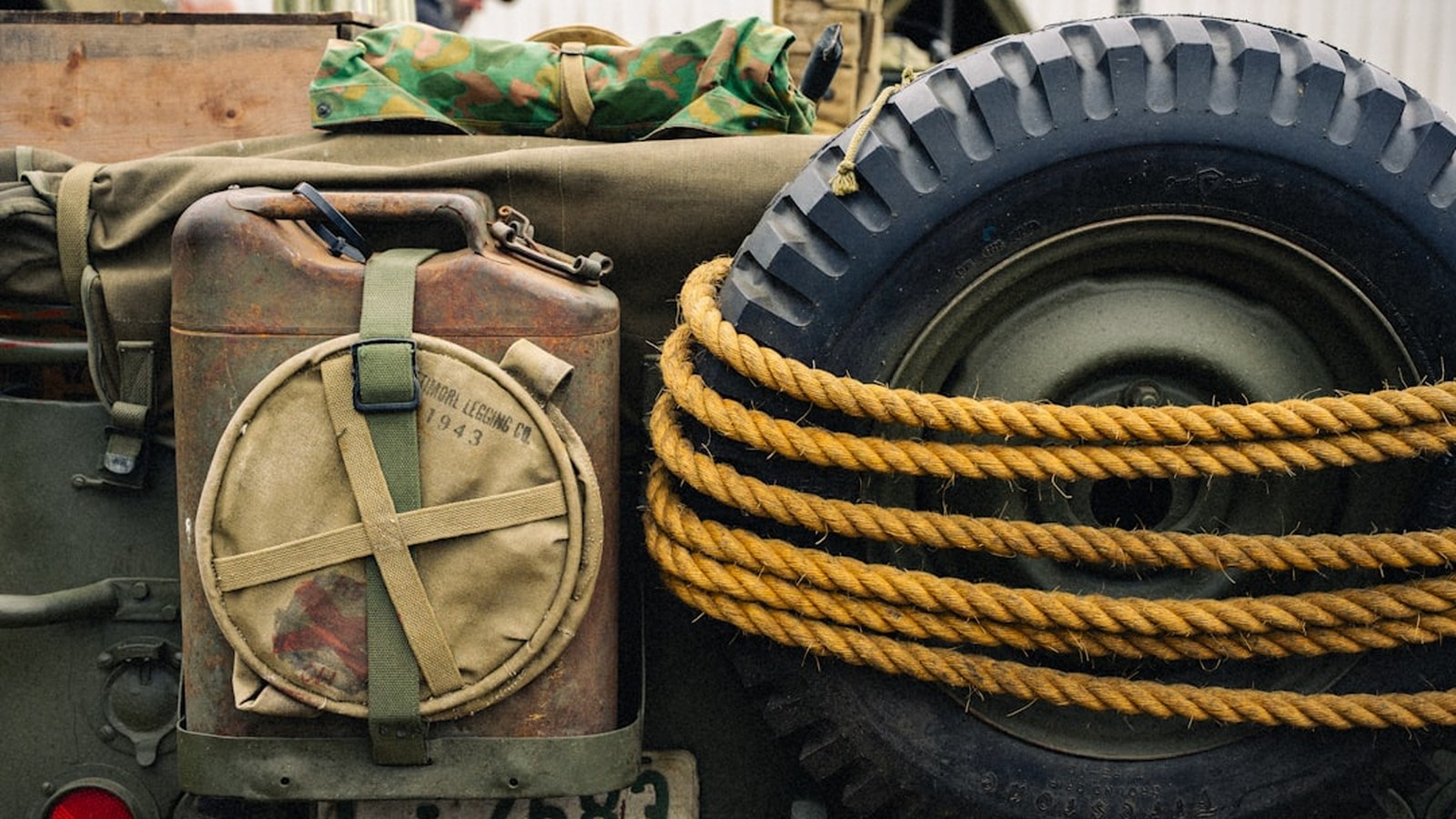 Photo: Jonathan Adams / Unsplash
Water is the single most important thing you carry, and the easiest to underestimate. The working rule across the overland community is roughly one gallon of water per person per day for drinking, cooking, and basic cleanup. That is a baseline in mild conditions. In heat or at altitude, plan for more.
For a 3-night trip with two people, that is a real minimum of six to eight gallons before you factor in dishes, coffee, and a rinse. Round up. Nobody has ever regretted the extra jug.
- One gallon per person per day, minimum, then add margin
- A mix of storage: a large water container for camp plus a smaller bottle or hydration bladder for the driver’s seat
- A water filter or purifier as a backup so you can top off from a creek or lake if a trip runs long
- A collapsible jug or bucket for dishwashing and rinsing, which keeps your drinking supply clean
The 72-hour standard is a good mental anchor here. Pack enough water and food to keep everyone going for at least three full days per person even if the plan falls apart, because remote trips have a way of taking longer than the map promised.
3. Camp Kitchen and Food
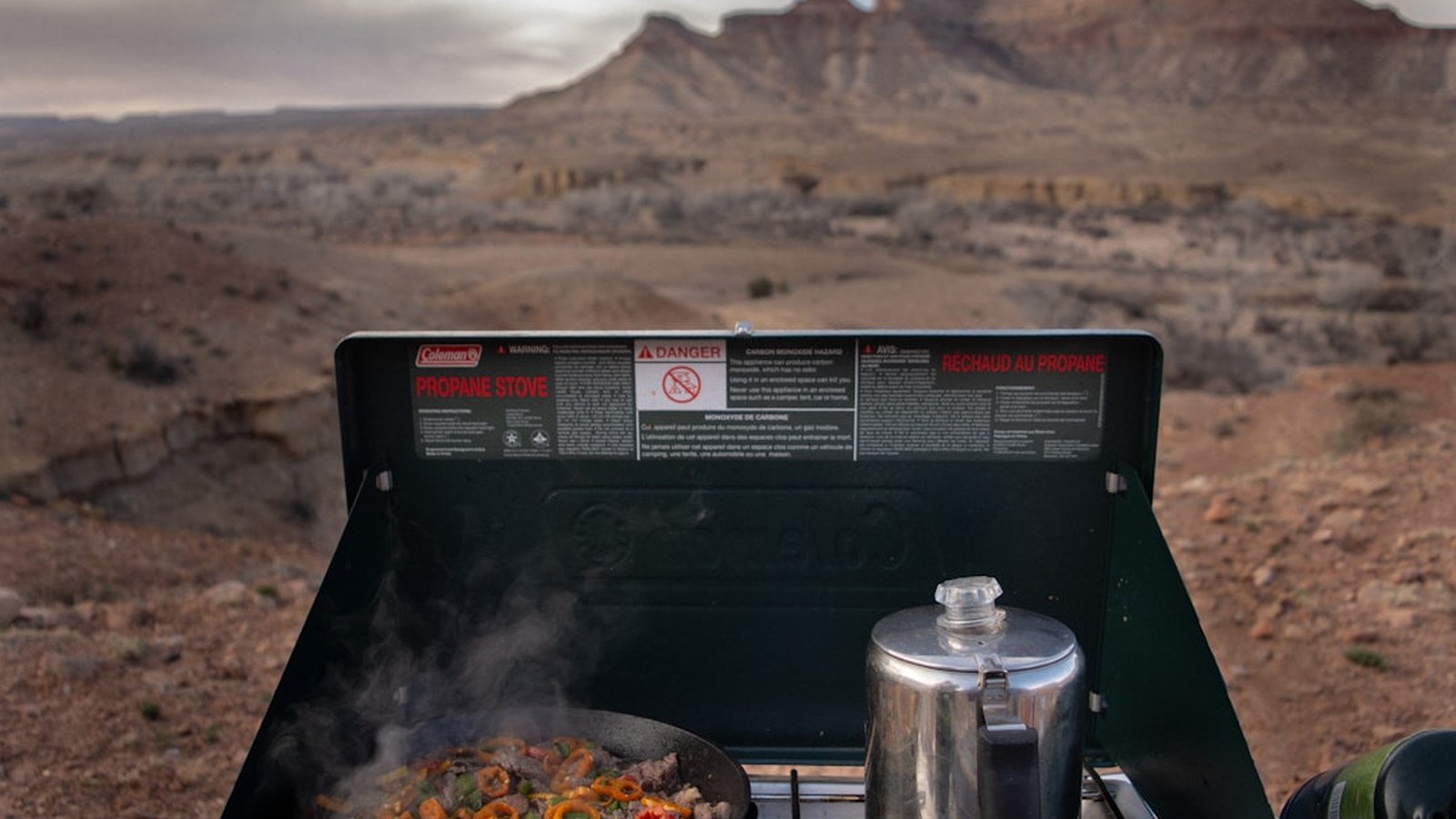 Photo: Alex Moliski / Unsplash
Food is morale. Three nights is long enough that eating well actually changes the mood of the whole trip, and a decent camp kitchen is not heavy or complicated once you build a dedicated box.
The core of it is a two-burner propane stove, a way to keep food cold, and a small kit of cookware you leave packed and ready between trips. A 12V fridge is the upgrade most overlanders never regret, because it ends the daily ice run and keeps food safe past day one when a cooler is already swimming.
- Two-burner camp stove plus fuel, and confirm the fuel level before you leave the driveway
- Cooler with ice, or a 12V fridge if you run camp power
- Pot, pan, and a kettle
- Plates, bowls, utensils, and an insulated mug per person
- Sharp knife, cutting board, can opener, and a lighter plus backup matches
- Biodegradable soap, a sponge, and a trash bag. Pack out everything you pack in
- Food planned by the meal, not by the pile. Prep what you can at home to cut camp chores
- Coffee setup, because a cold, dark morning three trails deep is exactly when it matters most
4. Recovery and Traction Gear
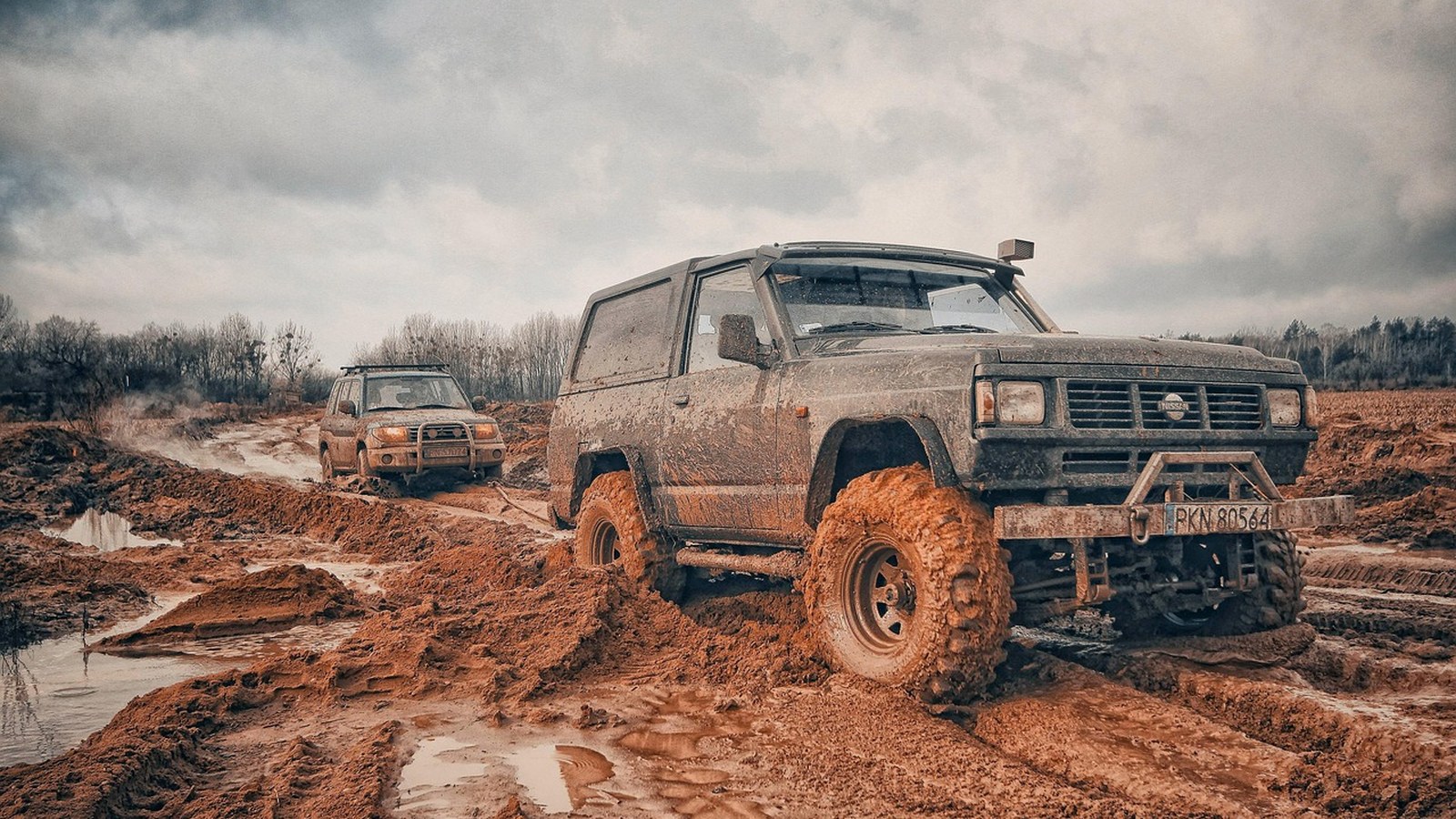 Photo: jwvein / Pixabay
Here is the rule: the farther you go from pavement, the more self-recovery gear you need, because there is no tow truck coming. A 3-night trip past cell service means you carry the kit to get yourself unstuck.
You do not need everything on day one, but a traction board and a basic recovery kit will get you out of most tight spots as long as you are willing to invest the time and sweat. Build from there as your trails get harder. We keep a full breakdown in our recovery gear kit essentials guide, but the trip-ready minimum looks like this:
- A set of traction boards for the first time a tire sinks into sand or mud
- A kinetic recovery strap and rated soft shackles, sized to your rig’s weight
- A quality shovel
- A tire repair kit and a way to air back up, since you will air down for the trail
- Work gloves and a recovery damper for any strap or winch pull
- A winch if your trails and your budget call for it, and the knowledge to rig it safely
Whatever recovery gear you carry, practice with it in the driveway before you need it at dusk. Gear you have never used is not a plan.
5. Power and Lighting
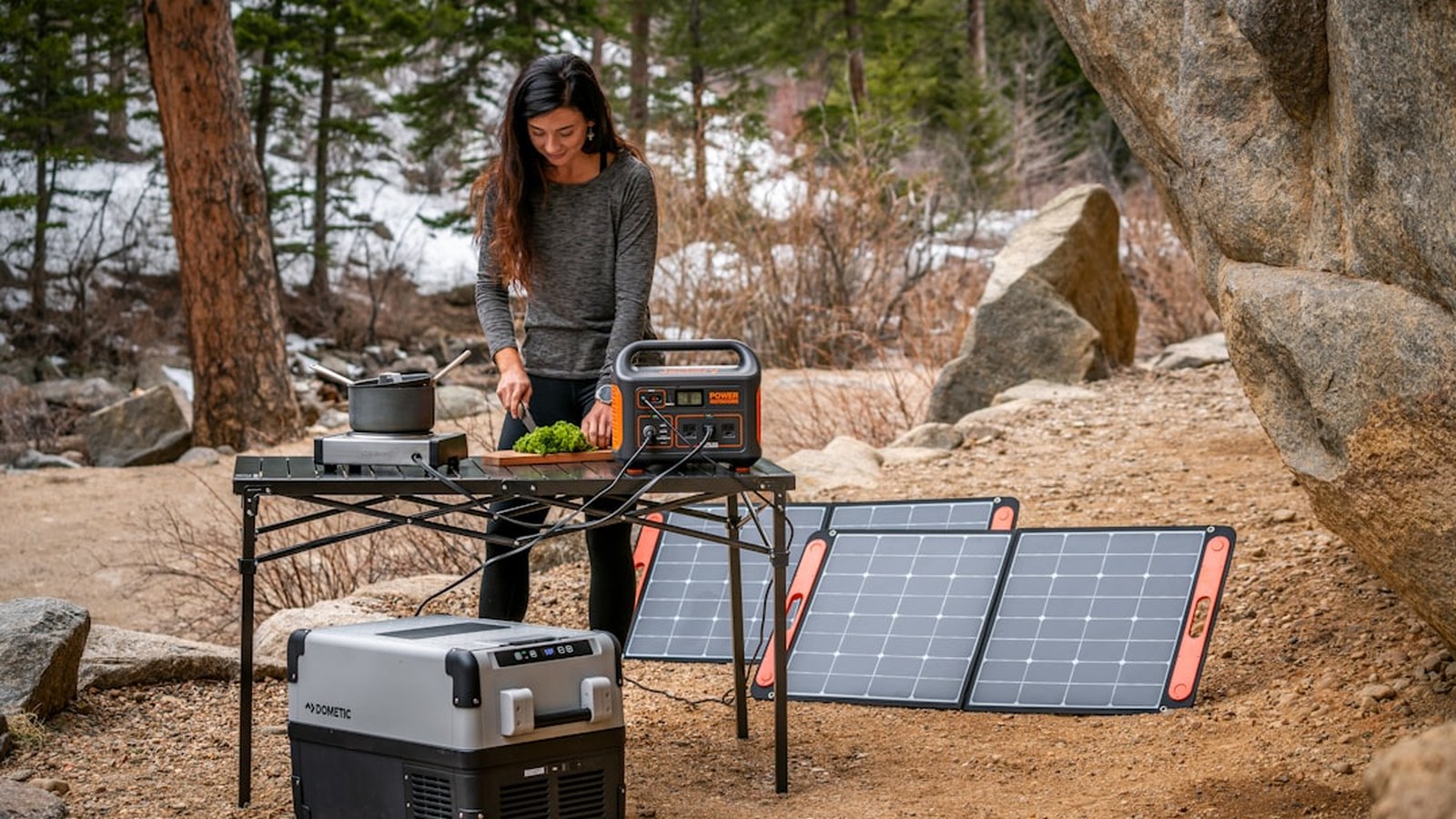 Photo: Jackery / Unsplash
For three nights off-grid, power is what keeps the fridge cold, the phones charged for navigation and photos, and the lights on after dark. You have two roads here: a portable power station you charge before the trip and top off with a solar panel, or a dual-battery system wired into the rig. Both work. A power station is the simpler starting point and doubles as home backup.
A dedicated auxiliary battery or a properly fused power station also protects your starting battery, which means you are not gambling on a no-start morning three trails from the nearest jump.
- Portable power station or a dual-battery setup, sized to run your fridge plus device charging for the full trip
- Solar panel if you are staying put or running a fridge hard
- Headlamp per person, plus spare batteries. Hands-free light is worth its weight
- A lantern or string lights for the camp kitchen
- Charging cables for every device, and a 12V or USB hub to run them
- A backup flashlight in the cab, always
6. Navigation and Communication
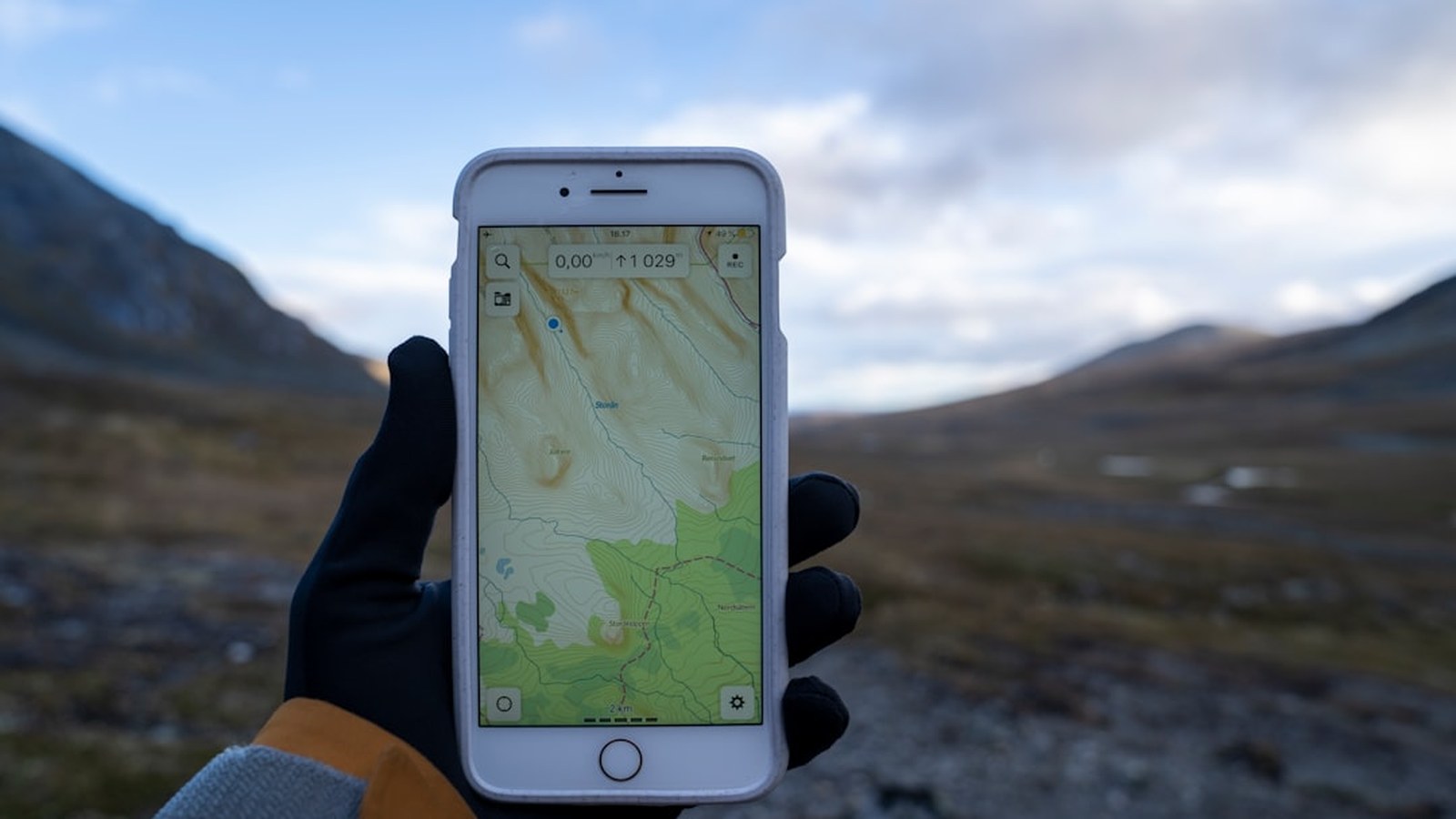 Photo: Hendrik Morkel / Unsplash
Your phone’s blue dot vanishes right when you need it most, usually right past the last cell tower. Real navigation means offline maps and a backup that does not depend on a signal.
- Offline maps downloaded before you leave service, on a dedicated off-road GPS app
- A paper map and compass as the analog backup, and the basic skill to use them
- A radio for group trips. GMRS, ham, or CB keeps a convoy together when phones are dead. Our trail comms guide covers which one fits your crew
- A satellite messenger or personal locator beacon for genuinely remote trips. This is the one piece of gear you hope to never use, and the one that changes an emergency from a tragedy to an inconvenience
- A written trip plan left with someone at home: your route, your rigs, and your expected return
7. Tools, Spares, and Vehicle Prep
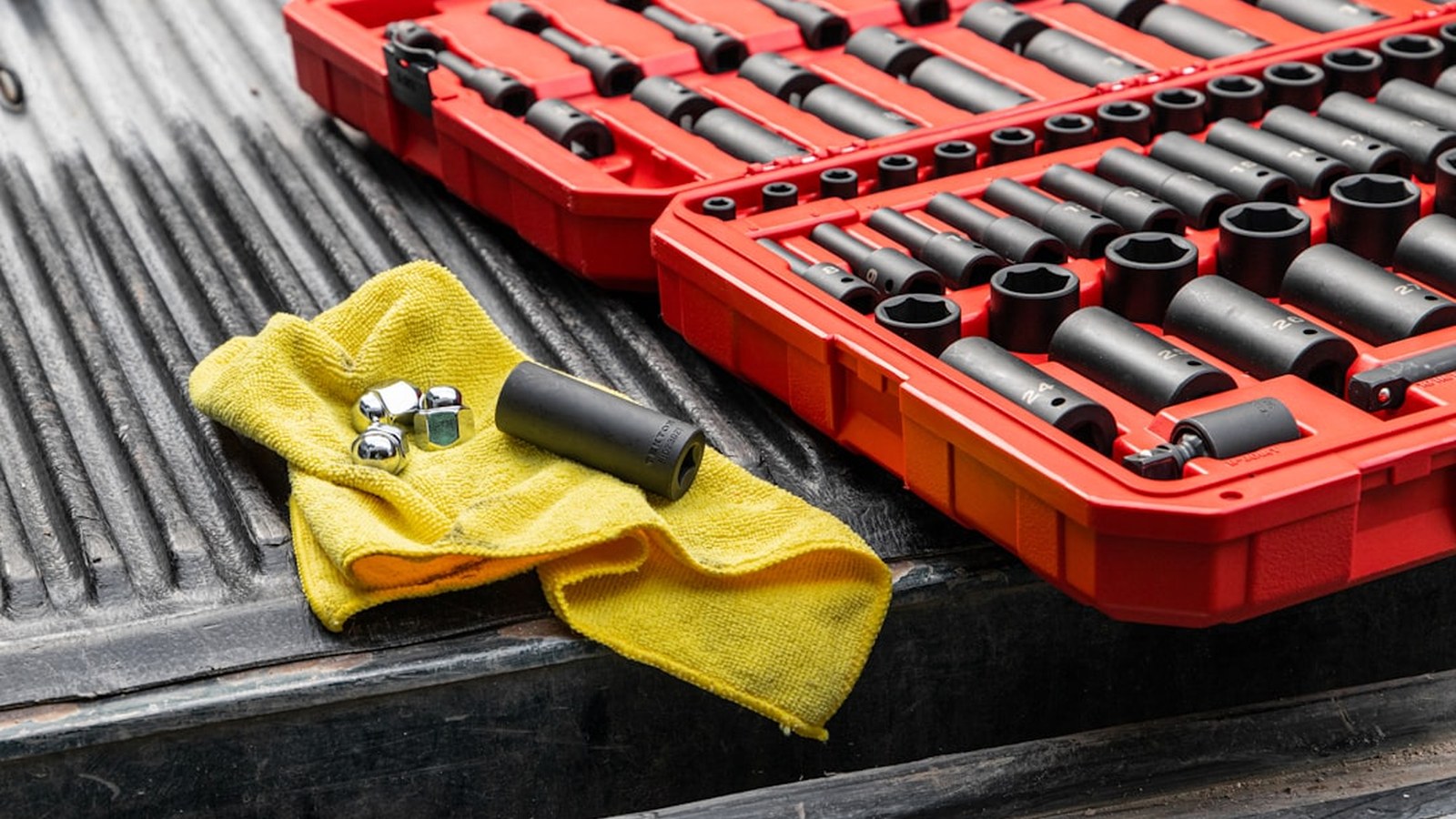 Photo: Tekton / Unsplash
The camp is only half the trip. The other half is the machine that got you there, and three nights out is a long way to walk if it quits. You do not need a full shop, but you need the tools to handle the failures that actually happen on the trail.
- A full-size spare tire, properly inflated, plus the jack and lug wrench to change it. A recovery jack or a sturdy base helps on soft ground
- A basic tool kit: sockets, wrenches, pliers, screwdrivers, and a multi-tool sized to your rig’s fasteners
- Tire plug kit and an air compressor, non-negotiable when you air down
- Duct tape, zip ties, and mechanic’s wire, the trifecta that has limped countless rigs back to the trailhead
- Spare fluids: oil, coolant, and a funnel
- Jumper cables or a jump pack
- A pre-trip vehicle check: tires, fluids, belts, battery, and lights, done in the driveway, not the trailhead
8. First Aid, Personal, and the Small Stuff
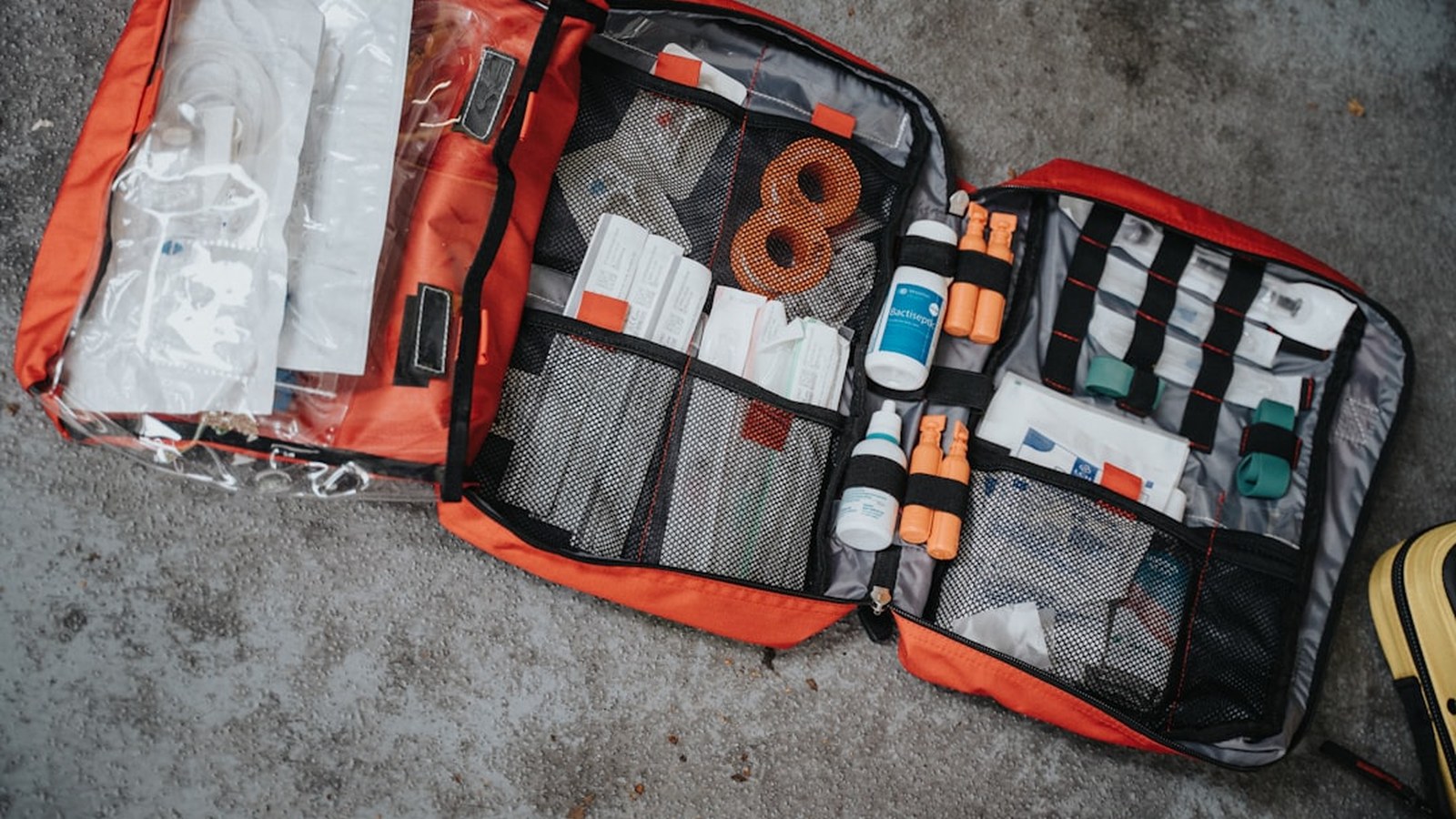 Photo: Mathurin NAPOLY / Unsplash
A broken bone 20 miles from pavement is a completely different animal than one 20 minutes from an ER. Pack for the emergency that actually happens, and cover the personal items that keep three days comfortable. Our trail first aid guide goes deeper, but here is the trip layer:
- A real first aid kit, stocked beyond bandages: trauma supplies, a tourniquet, blister care, and any personal medications with extra doses
- Sunscreen, lip balm, and bug spray
- A camp chair per person and a small table, because comfort at camp is the whole point
- Layers: rain shell, warm jacket, extra socks. Weather in the backcountry does not read the forecast
- Toiletries, a quick-dry towel, and a way to handle bathroom needs, plus a trowel and pack-out kit where required
- Fire supplies where fires are legal: know the local restrictions first, because one careless spark undoes everything
- A sense of humor. Something always goes a little sideways, and the trips people remember are usually the ones that did.
Which Camper Are You?
Every overland camp splits into a few personalities. The Minimalist runs a ground tent, a single stove, and a hard cooler, and is asleep before the fire dies. The Homebuilder has the rooftop tent, the fridge, the awning, and the pour-over kit, and eats better in the dirt than at home. The Overbuilder brought two of everything and a kitchen sink that has never once been used. Most of us are drifting from Minimalist toward Homebuilder one trip at a time, and that is the fun of it.
Wherever you land, the checklist is the same skeleton: sleep, water, food, recovery, power, navigation, tools, and first aid. Nail those eight and the rest is just personal comfort and how much room you have left in the rig.
The Print-the-Night-Before Short List
- Shelter, sleeping bags, pads, extra blanket
- One gallon of water per person per day, plus a filter
- Stove, fuel, fridge or cooler, cookware, food by the meal
- Traction boards, recovery strap, shackles, shovel, gloves
- Power station or dual battery, solar, headlamps, lantern
- Offline maps, paper backup, radio, satellite messenger
- Full-size spare, tools, tire plug kit, compressor, duct tape
- First aid kit, layers, sunscreen, camp chairs, trash bags
Build the boxes once, leave them packed between trips, and your out-the-door time drops from a whole frustrating morning to loading water and food. That is the real secret to going more often. The people who camp the most are not the ones with the most gear. They are the ones whose gear is already packed.
Now go find that quiet. It is out there, three trailheads deep, waiting.
Hero photo: Bradley Dunn / Unsplash